

)
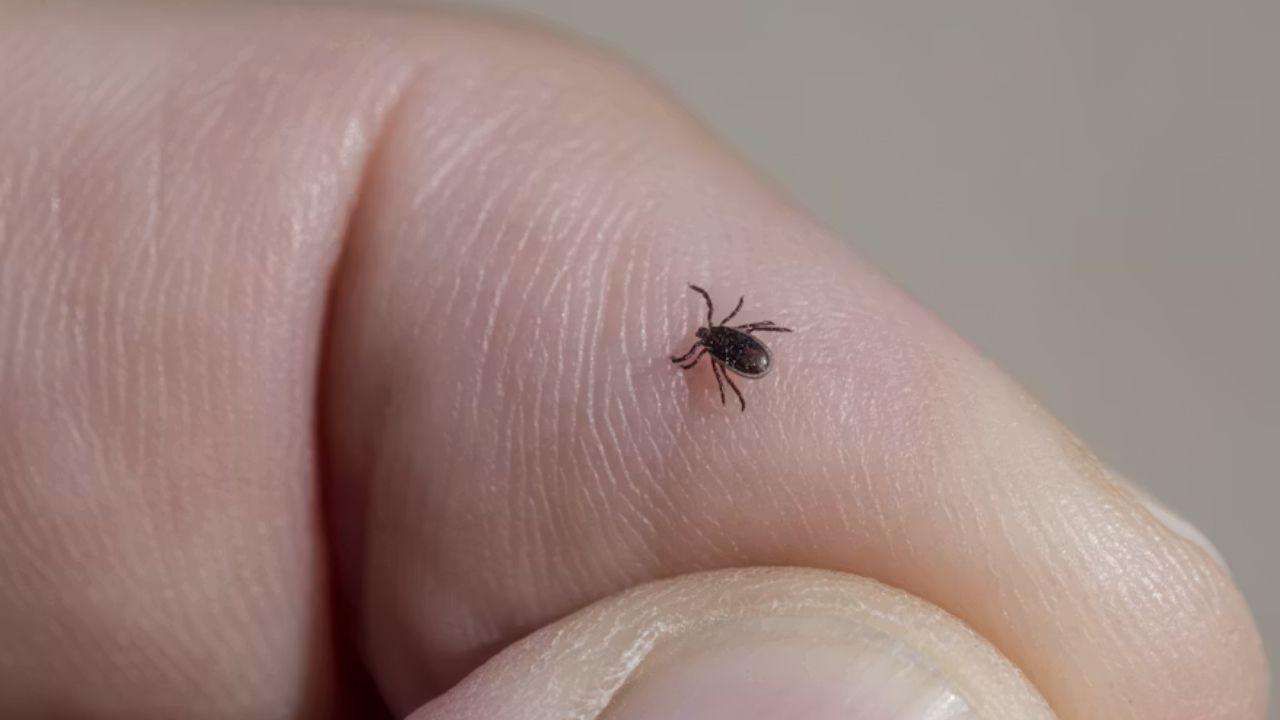
A rare tick-borne disease, Bourbon virus, has been detected in New York for the first time. The patient, a 67-year-old man from Suffolk County, is believed to have contracted the virus after being bitten by lone star ticks while working outdoors. He was first treated for a more common tick-borne disease because his symptoms closely resembled illnesses such as Lyme disease. However, his condition worsened before doctors identified Bourbon virus as the cause. While the patient recovered after being hospitalised, the case has raised concerns because the virus doesn't have any approved vaccine, specific antiviral treatment, and widely available diagnostic test.
Even though the virus is extremely rare, it can cause severe illness, especially in older adults or people with weakened immune systems. It is spread through the bite of infected lone star ticks, which are found in several parts of the United States. Since there is no cure, treatment mainly focuses on managing symptoms and supporting the patient until the body fights off the infection. Read on to know more about the virus, its symptoms, diagnosis, treatment and more.
What Is Bourbon Virus?
Bourbon virus is a rare virus that was first identified in 2014 in Bourbon County, Kansas, after a man died from an unexplained illness following multiple tick bites. It belongs to a group of viruses known as thogotoviruses, which are related to influenza viruses but are spread through ticks rather than from person to person.
Researchers believe the virus is primarily transmitted through the bite of infected lone star ticks. While only a small number of human cases have been confirmed, experts suspect that more infections may have occurred but were mistaken for other tick-borne illnesses since they have similar symptoms.
What Are The Symptoms?
Symptoms usually appear within days after an infected tick bite and can vary from mild to severe. Common symptoms include:
- Fever
- Fatigue and weakness
- Headache
- Muscle and joint pain
- Loss of appetite
- Nausea and vomiting
- Rash in some cases
In severe infections, patients may develop low white blood cell and platelet counts, liver abnormalities, breathing difficulties, and complications that require hospital care. Since these symptoms overlap with illnesses such as Lyme disease, diagnosing Bourbon virus can be difficult.
Why Is It Difficult To Diagnose?
One of the biggest challenges is the lack of routine testing. There are currently no commercial tests available for Bourbon virus, and testing is usually carried out only by specialised public health laboratories. Doctors may first suspect more common tick-borne diseases and begin treatment for those conditions. If the patient does not improve or laboratory results show unusual findings, Bourbon virus may then be considered.
Is There Any Treatment Or Vaccine?
Currently, there is:
- No approved vaccine
- No specific antiviral medicine
- No standard cure
Treatment focuses on supportive care. This may include intravenous fluids, medications to control fever and pain, oxygen therapy if breathing becomes difficult, and close monitoring in hospital for severe cases. Early medical attention can help doctors manage complications, although it does not eliminate the virus itself.
Who Is At Higher Risk?
Anyone bitten by an infected tick can develop Bourbon virus, but the risk may be higher for:
- People who spend a lot of time outdoors
- Farmers and agricultural workers
- Gardeners and landscapers
- Hikers, campers, and hunters
- Older adults
- People with weakened immune systems
How Can You Prevent Bourbon Virus?
Since there is no vaccine, avoiding tick bites is the best protection. Health experts recommend:
- Use an EPA-approved insect repellent containing DEET or other ingredients
- Wear long-sleeved shirts, long pants, and closed shoes when walking through grassy or wooded areas
- Stay on marked trails and avoid brushing against tall grass or bushes
- Check your body, clothing, pets, and gear for ticks after spending time outdoors
- Shower soon after returning indoors to help wash away unattached ticks
- Remove attached ticks promptly using fine-tipped tweezers.
Seek medical attention if you develop fever, severe fatigue, muscle aches, or other flu-like symptoms within a few days or weeks after a tick bite, especially if symptoms continue despite treatment for a suspected tick-borne illness.
Disclaimer: This content including advice provides generic information only. It is in no way a substitute for a qualified medical opinion. Always consult a specialist or your own doctor for more information. NDTV does not claim responsibility for this information.