

)
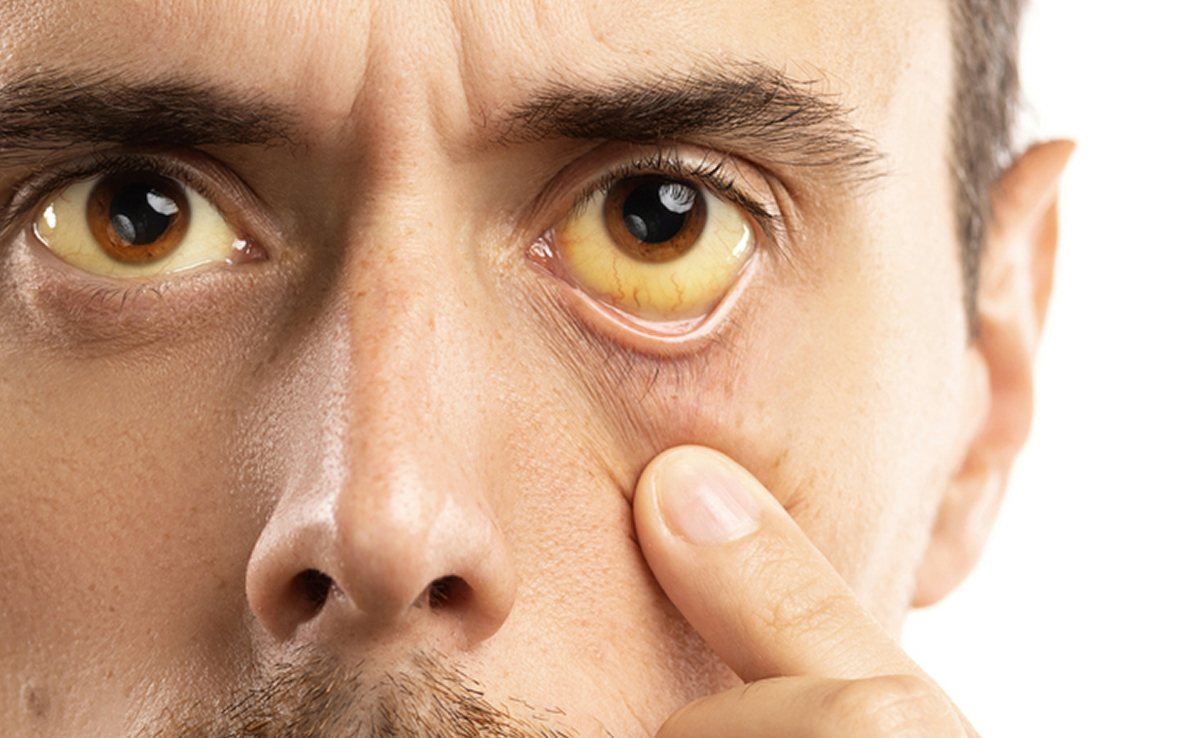
Many people first notice jaundice in the mirror. The skin looks slightly yellow. The whites of the eyes lose their usual brightness. Some dismiss it as tiredness or poor lighting. Others wait for it to settle on its own. That delay can become costly because jaundice is not a disease. It is a sign that your liver, gallbladder, or blood may not be functioning normally.
As a doctor, I often meet patients who say they felt well until family members pointed out the colour change in their eyes. By the time they seek medical care, some already have significant liver inflammation. Others arrive early, receive treatment, and recover without lasting damage. The difference is often how quickly they respond to the first warning sign.
Jaundice develops when bilirubin, a yellow pigment produced during the normal breakdown of red blood cells, builds up in your bloodstream. A healthy liver processes bilirubin and removes it through bile. When the liver becomes inflamed, injured, or blocked, bilirubin accumulates and begins to colour the skin and eyes.
One important cause of jaundice is hepatitis, which means inflammation of the liver. Viral hepatitis, especially hepatitis A, B, C, and E, remains a major public health concern. According to the World Health Organization, hundreds of millions of people worldwide live with chronic hepatitis B or C. Many have no symptoms for years, allowing liver damage to progress silently.
Symptoms That Should Not Be Ignored
Yellowing of the eyes or skin is often the most visible sign, but hepatitis rarely appears with jaundice alone. Your body usually gives other signals. You may notice unusual tiredness that does not improve with rest. Your appetite may fall. Nausea can develop without a clear explanation. Some people experience discomfort or a dull ache on the right side of the upper abdomen, where the liver sits. Urine may become dark, almost tea coloured, while stools can appear pale. Fever, muscle aches, or itching may also occur, depending on the cause.
These symptoms may not all appear together. Some remain mild. Others worsen within a few days. That variation makes it risky to judge the seriousness of hepatitis based only on how you feel.
When Should You See a Doctor?
If you notice yellowing of your eyes or skin, you should see a doctor as soon as possible. Even if you have no pain, jaundice deserves medical evaluation. Blood tests can measure liver enzymes, bilirubin levels, and identify viral infections. In many cases, an ultrasound scan helps determine whether the problem lies within the liver or results from blockage of the bile ducts.
Certain situations need urgent medical attention. If jaundice appears with confusion, severe abdominal pain, repeated vomiting, persistent high fever, excessive drowsiness, bleeding from the gums or nose, or difficulty staying awake, you should not wait for a routine appointment. These signs could indicate severe liver injury or acute liver failure, both of which require immediate hospital care.
Children, older adults, pregnant women, and people with existing liver disease deserve even earlier assessment. Their symptoms can progress differently, and delayed treatment may carry greater risks.
Why Self Treatment Can Delay Recovery
Not every case of jaundice points to viral hepatitis. Gallstones can block bile flow. Alcohol related liver disease, fatty liver disease, certain medications, autoimmune liver disorders, inherited conditions, and even rapid breakdown of red blood cells can produce similar changes. This is why self diagnosis rarely helps. Looking at the colour of your skin alone cannot reveal the underlying cause.
One mistake I frequently see is people trying home remedies before seeking medical advice. Drinking large amounts of sugarcane juice, herbal mixtures, or unverified supplements may not improve liver function. Some herbal products have even been linked to liver injury. Until the exact diagnosis is known, adding unnecessary remedies may complicate the problem rather than solve it.
Protecting Your Liver Before Problems Become Serious
If hepatitis is confirmed, treatment depends on its type. Hepatitis A and E usually improve with supportive care, hydration, adequate nutrition, and regular monitoring. Hepatitis B and C may require antiviral medicines in selected patients. Early diagnosis makes treatment decisions clearer and reduces the risk of long-term complications such as cirrhosis and liver cancer.
Prevention remains equally important. Vaccination provides strong protection against hepatitis A and hepatitis B. Safe drinking water, proper hand hygiene, well cooked food, and avoiding contaminated food reduce the risk of hepatitis A and E. Safe sexual practices, screened blood transfusions, and avoiding needle sharing help prevent hepatitis B and C.
If you have diabetes, obesity, or fatty liver disease, routine health checks become even more valuable because liver problems may develop alongside these conditions. Regular blood tests can sometimes detect liver injury before jaundice ever appears.
Your liver performs hundreds of essential functions every day. It filters toxins, processes nutrients, stores energy, and produces proteins your body depends on. It rarely complains early. When your eyes or skin begin turning yellow, your body is asking for attention. That change should never be ignored or explained away without medical assessment.
Seeking care early does not always mean you have a serious illness. It means you are giving your doctor the opportunity to identify the cause while treatment is likely to be simpler and recovery may be faster. With liver disease, timing often matters more than people realise.
(By Dr Sambit Kumar Bhuyan, Consultant - Medical Gastroenterology, Manipal Hospitals, Bhubaneswar)
Disclaimer: The opinions expressed within this article are the personal opinions of the author. NDTV is not responsible for the accuracy, completeness, suitability, or validity of any information on this article. All information is provided on an as-is basis. The information, facts or opinions appearing in the article do not reflect the views of NDTV and NDTV does not assume any responsibility or liability for the same.