

)
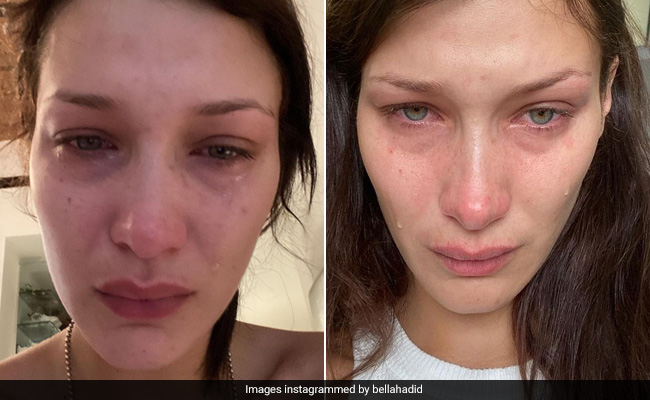
Bella Hadid has opened up about her experience of living with prolonged Lyme disease. The impact it is taking on her physical and mental well-being has been conveyed to her fans via Instagram stories on June 25th, 2026. Bella Hadid had been diagnosed with Lyme disease back in 2013 and has been suffering from the implications of long-term Lyme disease. She revealed that she is experiencing severe flare-ups where she tends to suffer from brain fog, fatigue, and pain. Bella explained the severity of the unpredictable symptoms of Lyme disease as she said, "Haven't been able to shake off this flare-up... Slept 11 hours. Again... Nap every day. Took every protocol from any and every doctor I've seen. Still, nothing is helping. IFYKY."
According to the research published in the Journal of Vector-Borne Diseases, warmer temperatures will make tick-borne diseases much more common. It will also result in adding to the already recorded 3,000 to 5,000 estimated cases reported in India. Even though it is relatively rare compared to its prevalence in the US and Europe. But mostly, Lyme disease is underdiagnosed due to low awareness and the symptoms of the disease overlapping with other illnesses.
What Is Lyme Disease?
Lyme disease is a bacterial infection that occurs when a tick carrying the Borrelia bacteria bites an individual. According to the Centre for Disease Control (CDC), Lyme disease is spread through the bite of an infected black-legged tick, and it is mostly found in nature-dense areas.
How Lyme Disease Spreads
The spread of the disease starts from a bite from an infected tick that carries a bacterial strain that results in the disease. The host faces increased risk when they visit forested or grassy areas and spend more time outdoors.
The tick remains attached to the host for 24 to 48 hours for infection to spread, which means identifying and taking the right steps in a timely manner is best to avoid serious symptoms.
Lyme Disease Symptoms: Early Warning Signs
Lyme disease, when spreading in the host body, results in signs that need to be known to seek timely treatment for faster recovery.
Early Symptoms (3-30 days)
Early symptoms of Lyme disease can manifest in 3 to 30 days after the tick bite, and the CDC has found that the tick bite can result in the following:
- Fever, fatigue, headache
- Muscle and joint pain
- Bull's-eye rash (erythema migrans)
Later Symptoms (if left untreated)
Lyme disease can progress if the tick is not removed and the bacteria are left to spread infection in the host's body. The symptoms of Lyme disease are as follows:
- Arthritis, joint swelling
- Nervous system issues
- Heart complications
Chronic symptoms
When Lyme disease is left untreated, the maximum timeline of 6 months of recovery can be surpassed. It can result in chronic symptoms that can flare up, which need to be actively managed for relief. These chronic symptoms can be:
- Brain fog
- Severe fatigue
- Possible anxiety and pain
Why Lyme Disease Is Often Missed Or Misdiagnosed
Lyme disease is missed or diagnosed incorrectly, as the symptoms of the disease can mimic flu and other illnesses. This causes confusion, and people ignore much-needed, timely diagnostic testing for Lyme disease. Another factor that may influence a misdiagnosis is the identifying rash that may not appear in all cases of Lyme disease. According to the U.S. Department of Health and Human Services, over 20% of patients don't develop rashes after a tick bite but are infected and have Lyme disease. Due to these reasons, Lyme disease has been branded as a "great imitator" disease.
How Lyme Disease Is Diagnosed And Treated
The diagnosis of Lyme disease is based on a 2-step antibody test that detects the bacterial infection. It is based on symptoms and tracking the history of the patient, as knowing when tick exposure took place is crucial.
Early diagnosis of Lyme disease is critical to avoid complications, as when it becomes chronic, the flare-ups are difficult to manage. Timely antibiotic treatment and early diagnosis can improve patient outcomes.
When To See A Doctor
If you notice a tick bite, a fever, or a rash after spending time outdoors, then you need to seek medical advice.
Other symptoms that warrant a doctor visit are experiencing persistent fatigue or unexplained pain that doesn't go away after topical medication.
The disease has progressed if you happen to experience neurological symptoms which indicate immediate medical attention.
Prevention Tips: How To Avoid Lyme Disease
Lyme disease can be avoided by following prevention tips, especially when you are planning to spend time outdoors. Here are the tips that you can follow:
- Avoid tick-prone areas as much as possible, as exposure to ticks increases the chances of Lyme disease.
- Wear protective clothing to minimise your risk of tick bites.
- Use insect repellents, as ticks can't bite you if you use strong-smelling and effective repellents.
- Remove ticks quickly, as the longer they spend on your body, the higher the chances of bacteria spreading and triggering an infection.
Bella Hadid's chronic Lyme disease experience is a wake-up call to pay more attention to the early symptoms of the disease. Seeking timely treatment and following the prevention tips is necessary to avoid serious health implications.
Disclaimer: This content including advice provides generic information only. It is in no way a substitute for a qualified medical opinion. Always consult a specialist or your own doctor for more information. NDTV does not claim responsibility for this information.