

)
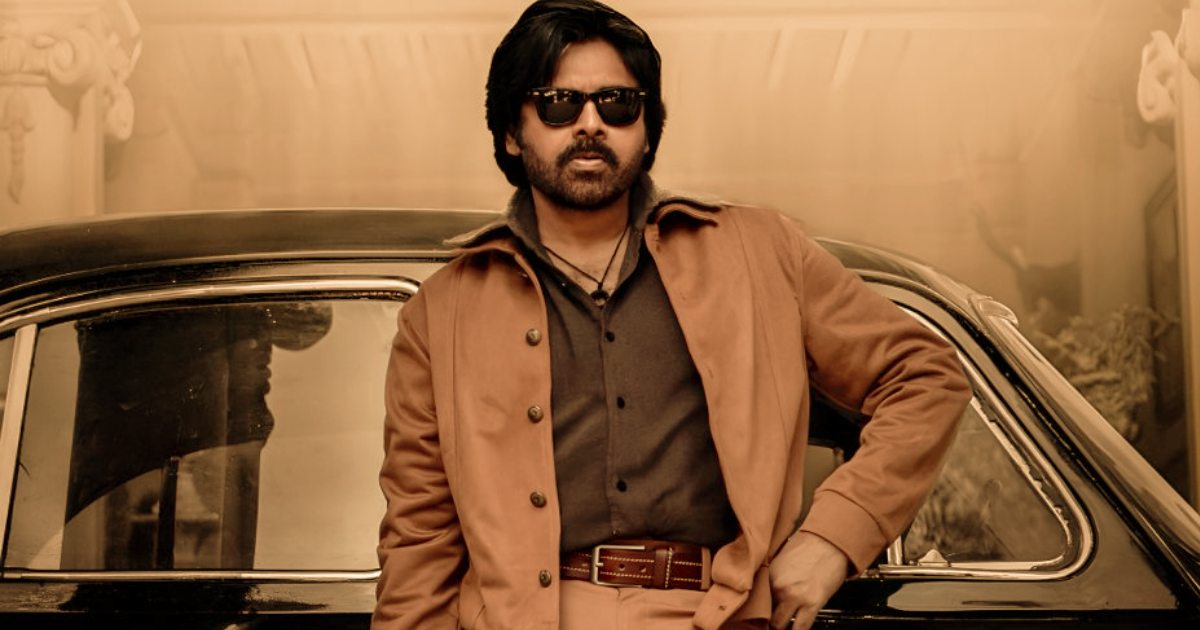
Andhra Pradesh Deputy Chief Minister and actor Pawan Kalyan turns 55 today. Known for his action-packed films, Pawan Kalyan has also maintained a long-standing association with martial arts, which has played an important role in his physical fitness and discipline. Recently, Pawan Kalyan was inducted into Kenjutsu, the traditional Japanese art of swordsmanship. He was also awarded the Fifth Dan (5th Dan) by the Sogo Budo Kanri Kai. He has also reportedly become the first Telugu-speaking person to be inducted into the Takeda Shingen Clan, a lineage associated with Japanese martial arts. His association with martial arts offers an interesting look at how combat-based training can contribute to physical fitness, coordination and mental discipline.
Martial arts can improve strength and endurance
Martial arts involve repeated movements such as punches, kicks, blocks, stances and footwork. Depending on the discipline and intensity, these movements can engage several muscle groups at the same time. Regular practice can help improve muscular endurance and functional strength. Unlike exercises that isolate a single muscle, martial arts often require the upper body, lower body and core to work together. This can make martial arts a form of full-body physical activity.
It can support cardiovascular fitness
Martial arts training can involve periods of intense movement followed by brief recovery periods. This can raise the heart rate and challenge the cardiovascular system. Training that includes combinations, sparring, footwork or continuous drills can therefore contribute to better cardiovascular endurance when performed regularly. For older adults, however, the intensity of training should be adapted according to fitness level and any existing health concerns.
Martial arts improve balance and coordination
One of the less obvious benefits of martial arts is the demand it places on coordination. Practitioners have to control their hands, legs, eyes and body position simultaneously. Movements such as changing stance, avoiding an opponent or executing a technique require precise coordination. Sword-based disciplines such as Kenjutsu add another layer because practitioners need to coordinate body movement with controlled weapon movements. Over time, this type of training can help improve body awareness, balance and movement control.
It keeps the core engaged
A strong core is important for almost every martial arts movement. The abdominal and back muscles help stabilise the body while a person punches, kicks, changes direction or maintains a stance. Rather than simply training the abdominal muscles for appearance, martial arts can engage the core as part of functional movement. Better core stability can also support posture and overall movement efficiency.
It can improve flexibility and mobility
Many martial arts incorporate stretching, dynamic movements and deep stances. Depending on the discipline, practitioners may repeatedly move through a wide range of motion. Consistent mobility work can help maintain flexibility and joint movement. However, flexibility gains depend on the specific training routine, and stretching should be performed safely rather than forcing a joint beyond its comfortable range.
Martial arts require mental discipline
Fitness is not limited to physical strength. Martial arts also demand concentration, patience and consistency. Learning techniques requires practitioners to remember sequences, control their movements and respond appropriately to changing situations. Traditional martial arts also tend to emphasise discipline and attention to technique. This combination of physical activity and mental focus can make martial arts particularly demanding compared with routine exercise.
It can help maintain agility
Agility refers to the ability to move quickly and efficiently while changing direction or position. Martial arts training often involves rapid footwork, changes in stance and controlled movements. Such exercises can challenge reaction time and movement efficiency. Maintaining agility becomes increasingly important with age because good balance, coordination and lower-body control are closely linked to everyday movement.
Consistency matters more than age
Pawan Kalyan's continued association with martial arts at 54 highlights an important fitness principle: staying physically active consistently can be more important than following a particular type of workout. However, martial arts are physically demanding, and beginners should not attempt advanced techniques immediately. Training should progress gradually, with adequate warm-up, recovery and attention to proper technique. For anyone considering martial arts as a fitness activity, choosing an instructor who prioritises technique and safety is important
Disclaimer: This content including advice provides generic information only. It is in no way a substitute for a qualified medical opinion. Always consult a specialist or your own doctor for more information. NDTV does not claim responsibility for this information.