

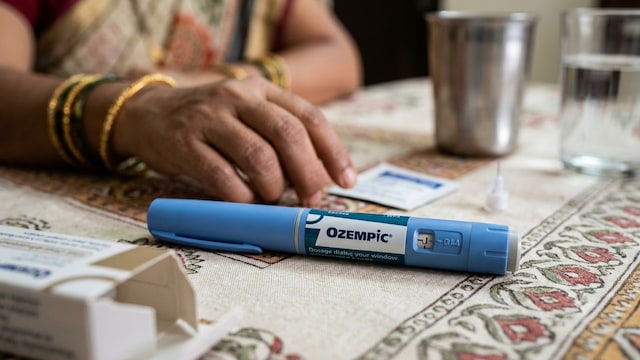
GLP-1 weight-loss medications have changed the way obesity is treated, helping many people lose a significant amount of weight by reducing appetite and increasing feelings of fullness. Drugs such as semaglutide and tirzepatide have gained attention for their role in weight management, but losing weight is only one part of the journey. For many people, the next concern is body composition. How can you reduce body fat while maintaining muscle? Why might some people notice a loss of muscle definition as they become lighter? And what can you do to achieve a stronger, more defined physique while taking these medications? The answer lies in combining medical treatment with adequate nutrition, resistance training and recovery. Weight loss can involve reductions in both fat mass and lean body mass, although the proportions vary between individuals. The aim is not simply to see a lower number on the weighing scale, but to support strength, physical function and overall health throughout the process.
Why Body Shape Can Change During GLP-1 Treatment
GLP-1 receptor agonists help regulate appetite and food intake. Tirzepatide acts on both GIP and GLP-1 receptors. By helping people consume fewer calories, these medicines can support substantial weight loss when prescribed for appropriate patients. However, when calorie intake falls, the body may lose both stored fat and lean tissue. Lean body mass includes muscle, but also water and other non-fat tissues, so a reduction in lean mass does not automatically mean that the same amount of skeletal muscle has been lost. Some people may notice reduced muscle fullness, changes in body proportions or less strength during rapid weight loss. Others may experience improvements in body composition as excess fat decreases. The outcome depends on factors such as starting body composition, nutrition, exercise, the pace of weight loss and individual health.
This is why healthcare professionals increasingly emphasise preserving muscle and physical function alongside reducing body weight.
1. Prioritise Protein To Support Muscle Maintenance
Protein is essential for repairing muscle tissue and supporting muscle maintenance during a calorie deficit. However, appetite suppression can make it difficult for people taking GLP-1 medications to consume enough food, including protein.
A joint clinical advisory published in 2026 by nutrition and obesity organisations discusses protein intake, dietary quality and strength training as key considerations during GLP-1 treatment. Protein requirements should be individualised according to body composition, health status, kidney function and activity levels. For many adults undergoing active weight loss, a dietitian may consider a daily protein intake of approximately 1.2-1.6 grams per kilogram of body weight, depending on individual circumstances. This is not a universal prescription, particularly for people with kidney disease or other conditions requiring dietary modification. Useful protein sources include:
- Eggs, fish, chicken and other lean meats
- Milk, yoghurt and paneer
- Lentils, beans, chickpeas and soy products
- Whey or other protein supplements when ordinary food does not provide enough
If you feel full quickly, eating protein-rich foods earlier in a meal and choosing smaller, nutrient-dense meals may help. A protein shake can be convenient, but it should complement a balanced diet rather than replace all your meals.
2. Include Resistance Training In Your Weekly Routine
If your goal is to improve body shape while losing weight, strength training deserves particular attention. Resistance exercise challenges muscles and helps preserve lean mass during weight reduction. It can also improve strength and muscular definition over time. Simply increasing protein intake without appropriate exercise is unlikely to provide the same muscle-preserving benefits. Depending on your fitness level and medical history, a programme could include:
- Squats or leg presses for the lower body
- Rows and lat pulldowns for the back
- Chest presses or push-ups for the chest
- Shoulder presses and lateral raises for the shoulders
- Hip hinges and other posterior-chain exercises
- Core exercises to improve trunk strength and stability
Beginners can start with two or three strength-training sessions a week, allowing sufficient recovery between challenging sessions. More experienced individuals may follow a split routine tailored to their training history. Start with manageable resistance and focus on technique. Increase weights or repetitions gradually as your strength improves. If you experience persistent fatigue, dizziness, poor recovery or difficulty completing familiar workouts, review your calorie intake and training load with your healthcare team. The goal is to maintain or improve performance, not to exhaust yourself while eating substantially less.
3. Avoid An Excessively Restrictive Diet
GLP-1 medications may reduce hunger so substantially that some people struggle to eat enough. Although a calorie deficit is central to weight loss, consistently inadequate food intake can make it harder to meet protein, vitamin and mineral requirements. A balanced eating pattern should include protein, vegetables, fruit, whole grains and sources of healthy fats. The precise calorie target should reflect your body size, activity level, treatment response and medical needs.
Avoid combining appetite-suppressing medication with an unnecessarily aggressive diet simply to accelerate weight loss. Faster weight reduction is not automatically better if it compromises nutrition, strength or wellbeing.
If you are frequently skipping meals, feeling unusually weak or struggling to eat, speak to your prescribing clinician or a registered dietitian. Nutritional intake and medication tolerability may need reassessment.
4. Combine Strength Training With Cardiovascular Exercise
Walking, cycling, swimming and other forms of aerobic exercise support cardiovascular health and help improve stamina. They can complement strength training during a weight-loss programme.
However, cardio should not replace resistance exercise when preserving muscle is a priority. A practical approach is to combine regular strength sessions with moderate aerobic activity, gradually increasing duration and intensity according to your fitness level. Public-health guidance generally recommends at least 150 minutes of moderate-intensity aerobic activity a week for adults, alongside muscle-strengthening activities on at least two days, where appropriate.
If you are new to exercise, begin with shorter sessions and build up gradually. Your clinician can help adapt activity recommendations if you have joint problems, cardiovascular disease, significant fatigue or other limitations.
5. Pay Attention To Sleep And Recovery
Training stimulates muscles, but recovery is also an important part of maintaining strength. Most adults should aim for seven to nine hours of sleep each night. Regular sleep schedules, adequate hydration and rest between demanding workouts can help support exercise performance.
People taking GLP-1 medications may experience nausea, vomiting, diarrhoea or constipation. These effects can interfere with food and fluid intake, particularly during dose escalation. Persistent symptoms should be discussed with the prescribing clinician rather than managed by simply pushing through workouts.
If you are unable to keep fluids down, have severe or persistent abdominal pain, or develop other concerning symptoms, seek prompt medical advice.
6. Track Muscle And Strength, Not Just Body Weight
The weighing scale cannot tell you how much fat or muscle you have lost. Two people at the same weight may have very different body compositions and levels of strength. Alongside body weight, consider tracking:
- Strength and performance during familiar exercises
- Waist circumference and other relevant body measurements
- Energy levels and ability to carry out daily activities
- Changes in clothing fit and, if useful, photographs taken under consistent conditions
Healthcare professionals may assess muscle strength and function and, where clinically appropriate, use body-composition measurements. Devices that estimate body fat and lean mass have limitations, so individual readings should not be treated as exact measurements of skeletal muscle.
If you notice a substantial decline in strength, persistent weakness or difficulty meeting nutritional needs, discuss it with your healthcare team. Do not assume that every change in appearance is caused by muscle loss.
7. Do Not Start Supplements Or Change Your Medication On Your Own
Protein supplements may be useful when food intake is insufficient, but there is no single supplement that guarantees muscle preservation during GLP-1 treatment. Vitamin and mineral supplements should be considered according to dietary intake, risk factors and clinical assessment. Creatine and other sports supplements may be relevant for some people, but their suitability depends on individual circumstances and the evidence supporting their use in this specific setting.
Do not increase, reduce or stop a prescribed GLP-1 medication to change your appearance without consulting the prescribing clinician. If appetite suppression is making adequate nutrition difficult, the clinician can assess whether your treatment plan needs adjustment.
Improving body shape while taking GLP-1 weight-loss medications requires more than losing kilograms. Adequate protein, progressive resistance training, balanced nutrition, cardiovascular activity and sufficient recovery can help support muscle maintenance and physical function as body fat decreases. The best approach is an individualised one that considers your health, nutritional needs, starting fitness level and treatment response. The aim should be sustainable weight management while preserving strength and wellbeing, rather than chasing rapid weight loss or a particular appearance.
Disclaimer: This content including advice provides generic information only. It is in no way a substitute for a qualified medical opinion. Always consult a specialist or your own doctor for more information. NDTV does not claim responsibility for this information.