

)
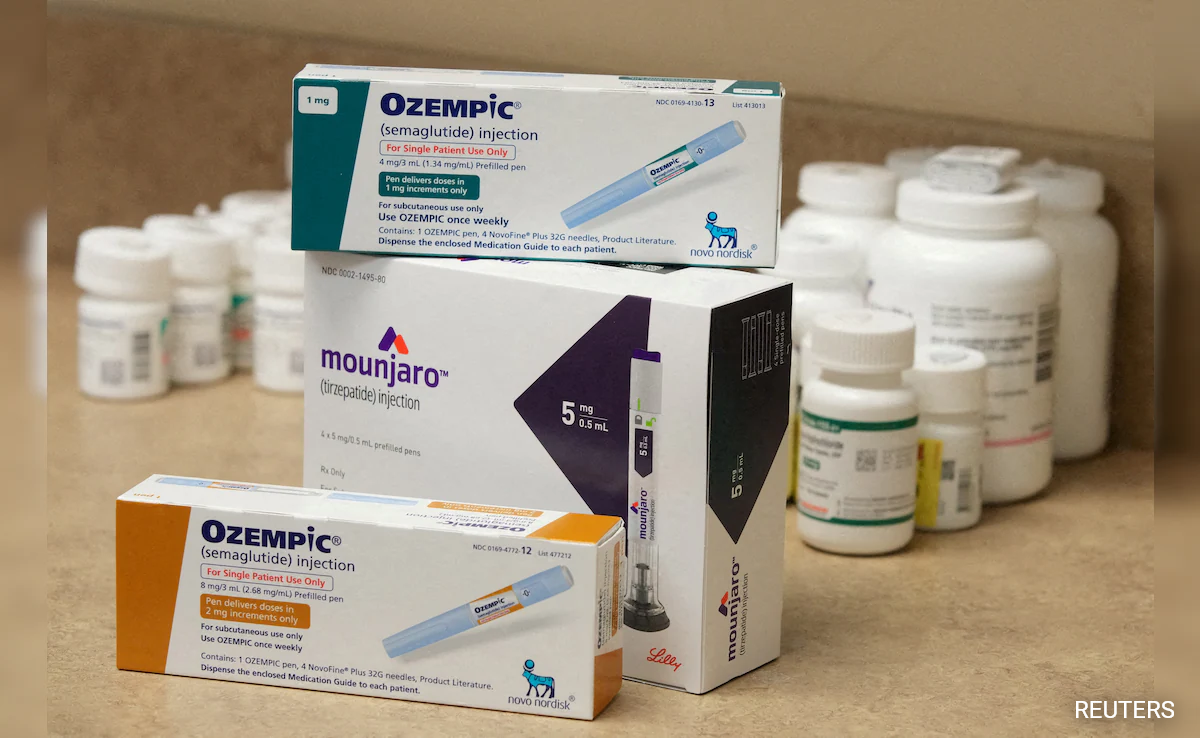
GLP-1 medications such as Ozempic, Wegovy, and Mounjaro, among others, have become extremely popular as they help in managing blood sugar and weight management. There have been studies which highlight the other health benefits of taking GLP-1 drugs, which includes heart, cholesterol, blood pressure, and more. Now, a recent study has raised questions about what happens to heart health after people stop taking GLP-1 medications. Researchers from Washington University School of Medicine in St. Louis found that the cardiovascular protection linked to these medicines may reduce after treatment is interrupted.
Among people with type 2 diabetes who had stopped GLP-1, the risk of major cardiovascular events increased with the length of time they remained off treatment. After two years without the medication, the risk was up to 22% higher compared with people who continued treatment. The findings are important because GLP-1 medicines are increasingly used not only to manage blood sugar and body weight, but also because some drugs in this group have cardiovascular benefits.
What Did The Study Find?
The study, published in BMJ Medicine, followed more than 3,33,000 US veterans with type 2 diabetes for three years and examined outcomes including heart attack, stroke and death. Researchers compared 132,551 people who had been prescribed GLP-1 medications with 201,136 people taking sulfonylureas, another group of diabetes medicines. Treatment status was assessed every six months. The researchers found:
- Continuous treatment showed higher protection: People who remained on GLP-1 therapy throughout the three-year study had an 18% lower risk of major cardiovascular events compared with those taking sulfonylureas.
- Six-month gaps mattered: People who interrupted treatment and later restarted had weaker cardiovascular protection than those who continued without a break.
- One year off treatment: Those who remained off GLP-1 medicines for one year had a 14% higher cardiovascular risk compared with continuous users.
- Two years off treatment: The increase reached 22% after two years without therapy. The major cardiovascular events included heart attack, stroke and death.
Why Could Stopping GLP-1 Medicines Affect The Heart?
GLP-1 medicines do more than lower blood sugar or help with weight loss. They can influence several factors linked to cardiovascular health, including blood sugar, body weight, blood pressure and other metabolic processes.
Ziyad Al-Aly, MD, a WashU Medicine clinical epidemiologist and chief of the Research and Development Service at the VA Saint Louis Health Care System, and senior author of the study, said, "Our data suggest this metabolic whiplash is detrimental to heart health. Restarting the medication helped restore some protection, but only partially, showing that discontinuation leaves a lasting scar."
According to the study's senior author, stopping treatment may be followed by a return of some of these metabolic changes. Weight may increase again, while blood pressure, cholesterol and inflammation may also worsen. These changes could contribute to cardiovascular risk.
What Happens If Treatment Is Interrupted?
The study suggests that cardiovascular benefits may not remain unchanged when treatment is interrupted. People who temporarily stopped their medication and later restarted it had an average 12% reduction in cardiovascular risk, compared with an 18% reduction among those who continued treatment throughout the study.
Even a six-month treatment gap was associated with a 4% to 8% increase in cardiovascular risk compared with uninterrupted use. This suggests that following treatment may matter when GLP-1 medication has been prescribed for a chronic condition.
Why Do People Stop GLP-1 Medications?
Stopping treatment is common. In this study, 26% of GLP-1 users discontinued the medication, while about 23% experienced a treatment gap of at least six months before restarting. There can be several reasons for stopping, which includes:
- Side effects: Nausea, vomiting, diarrhoea and other digestive symptoms can make the treatment difficult for some people.
- Cost: Long-term treatment can be expensive, particularly when insurance or reimbursement does not cover the medication.
- Medicine shortages: Supply problems can make it difficult for patients to maintain regular treatment.
- Weight-loss expectations: Some people may stop once they reach a desired weight, without understanding that treatment may need to continue to maintain its effects.
- Treatment changes: Doctors may change or discontinue medication when a patient's medical needs change.
Disclaimer: This content including advice provides generic information only. It is in no way a substitute for a qualified medical opinion. Always consult a specialist or your own doctor for more information. NDTV does not claim responsibility for this information.