

)
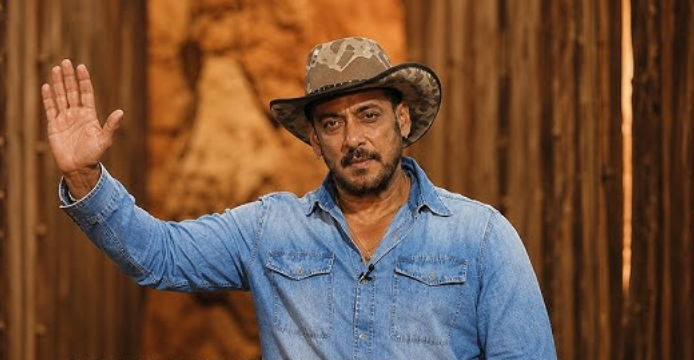
Salman Khan has once again proved that age doesn't have to be a barrier to getting fit. During a recent appearance on Amazon Prime Video's reality show The Alliance to support his brother Sohail Khan, the Bollywood superstar revealed that he had lost an impressive 16 kg. In the same conversation, Sohail shared that he had shed 12 kg, with Salman proudly responding, "I am down 16 kg." The viral moment has sparked conversations around whether it is really possible to lose weight and build muscle after the age of 60. While many believe that metabolism slows down too much with age for meaningful body transformations, health experts say that although it becomes more challenging, it is certainly achievable with the right approach.
Can You Build Muscle After 60?
According to Dr Sanjay Raina, Senior Consultant, Internal Medicine, Amrita Hospital, Faridabad, the answer is yes. "Salman Khan's transformation at 60 has ignited an important conversation. Yes, you can absolutely lose weight and build or maintain muscle, even in your sixth decade but you need to do it scientifically, not by jumping on crash diets or social media trends," says Dr Raina. One of the biggest age-related challenges is sarcopenia, the gradual loss of skeletal muscle mass and strength that naturally occurs with ageing. The process often begins as early as the 40s and accelerates after the age of 60. The encouraging news is that sarcopenia is not irreversible. "The good news is that this process can be slowed down, and even reversed in part, with the right lifestyle interventions," Dr Raina explains.
Why Losing Weight Is Different After 60
Many people over 60 focus solely on seeing a lower number on the weighing scale. However, experts warn that this can be misleading. "One of the most common mistakes people make when trying to lose weight is to focus only on the weighing machine. The real goal should be to burn fat and hold on to lean muscle," says Dr Raina. As metabolism naturally slows with age, rapid calorie restriction can result in the loss of muscle rather than fat. This may reduce strength, lower metabolic rate, and increase the risk of falls and fractures. Instead, the emphasis should be on body recomposition reducing body fat while preserving or increasing muscle mass.
Resistance Training Is The Key
Exercise plays a crucial role in healthy ageing, especially resistance training. Dr Raina recommends progressive resistance exercises at least two to three times a week, combined with adequate protein intake and quality sleep. Supporting this advice, a recent systematic review involving more than 6,000 older adults found that resistance training significantly improved muscle strength, muscle mass, and physical performance, particularly when combined with appropriate nutritional support. Strength-training exercises may include:
- Weightlifting
- Resistance bands
- Bodyweight exercises
- Machine-based resistance training
Adding moderate-intensity cardio can further improve heart health and support fat loss without compromising muscle.
Nutrition Matters Just As Much
According to Dr Yogesh Kumar Chhabra, Director and Unit Head, Fortis Hospital, Shalimar Bagh, diet becomes increasingly important after 60.
"It is possible to lose weight and build muscle even when you are in your sixties; however, it will require some balance rather than fast changes. Age-related muscle loss (sarcopenia) makes your metabolism slower, therefore making strength training and eating well crucial," adds Dr Chhabra. Older adults should avoid extremely restrictive diets because severe calorie deficits often lead to muscle loss. Instead, experts recommend:
- Consuming 1.0-1.2 grams of protein per kilogram of body weight daily, or more if advised by a healthcare provider
- Including protein-rich foods such as eggs, fish, chicken, dairy products, soy, legumes, and lean meats
- Eating plenty of fruits and vegetables
- Choosing whole grains
- Including healthy fats
- Staying well hydrated
Don't Focus Only On BMI
While Body Mass Index (BMI) remains a useful screening tool, it does not tell the full story. Dr Chhabra points out that waist circumference, body fat percentage, and muscle mass are equally important indicators of health. Someone may weigh less but still have poor muscle mass, increasing the risk of frailty and metabolic disease.
Avoid Crash Diets
Quick-fix diets promising dramatic weight loss can do more harm than good in older adults. According to Dr Raina, rapid weight loss without resistance exercise may result in:
- Muscle wasting
- Bone loss
- Weakness
- Increased risk of falls
- Poor physical function
Instead of aiming for the fastest transformation, experts recommend gradual, sustainable fat loss while preserving muscle.
Should You Get A Health Check Before Starting?
Both experts emphasise that anyone over the age of 60 planning a major fitness transformation should first undergo a medical evaluation. This may include assessment for:
- Heart disease
- Diabetes
- Kidney function
- Nutritional deficiencies
- Arthritis
- Osteoporosis
Underlying health conditions may require modifications to exercise intensity and dietary intake.
Tips To Lose Weight And Build Muscle After 60
Experts recommend following these healthy habits:
- Perform resistance training at least 2-3 times per week.
- Include moderate cardio for heart health.
- Eat enough high-quality protein throughout the day.
- Maintain a moderate calorie deficit rather than severe restriction.
- Prioritise 7-9 hours of sleep every night.
- Stay hydrated.
- Monitor muscle strength, waist circumference, and overall fitness not just body weight.
- Consult your doctor before beginning a new exercise programme.
Salman Khan's 16-kg weight loss is a reminder that meaningful fitness transformations are possible even after 60. While ageing naturally leads to slower metabolism and muscle loss, experts say that a combination of resistance training, adequate protein intake, balanced nutrition, proper sleep, and medical supervision can help older adults lose fat while maintaining or even building muscle. As Dr Raina concludes, "The most important thing isn't how fast you lose weight, it's whether you're getting metabolically healthier, stronger, and more functionally capable as you go."