

)
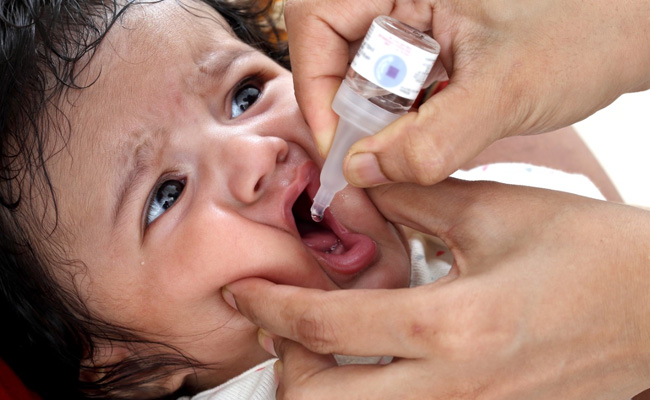
India's nationwide Pulse Polio Immunisation Campaign kicked off on Sunday, June 28, 2026. This multi-day public health drive runs from June 28 to June 30, 2026, extending to July 1 in some states, across the country, to protect children from polio. The Pulse Polio Immunisation programme was launched in India in 1995. During the drive, children aged 0-5 years are administered two drops of Oral Polio Vaccine (OPV) directly into the mouth. This intensive campaign offers both booth-based and door-to-door vaccination.
Why India continues the drive
India was officially declared polio-free on 27 March 2014. The World Health Organisation (WHO) issued this certification after the entire South-East Asia Region maintained a zero-case status for three consecutive years. However, mass immunisation remains vital to sustain India's polio-free status.
Transmission risk from neighbouring countries
Wild poliovirus is still endemic in neighbouring countries like Pakistan and Afghanistan. Regular immunisation helps mitigate the risk of polio re-importation from endemic regions. Polio-free does not mean risk-free, and a single imported case could spark a major outbreak in unprotected areas.
Herd immunity
Millions of children are born in India every year who need immediate protection. High vaccination rates create a human shield that stops the virus from spreading if imported. Therefore, to prevent the virus from establishing a foothold, a community requires herd immunity, meaning over 90-95% of the population must be immune.
The dual vaccine strategy
India uses both Oral Polio Vaccine (OPV) drops for mass drives because it builds strong intestinal immunity, and the injectable Inactivated Polio Vaccine (IPV) in routine schedules to provide direct bloodstream immunity.
India's polio drive explained
- Pulse Polio Programme (1995): Following a successful 1994 pilot in Delhi, the nationwide campaign launched in 1995 using Oral Polio Vaccine (OPV). It gave rise to the iconic slogan, "Do Boond Zindagi Ki".
- Cold Chain Infrastructure: To keep vaccines effective, India set up advanced logistics like the National Cold Chain Training Centre (NCCTE) and the Electronic Vaccine Intelligence Network (eVIN) to monitor storage temperatures.
- Inactivated Polio Vaccine (IPV) Introduction (2015): To comply with global health strategies and offer extra protection against type 2 poliovirus, India integrated IPV into its schedule.
Core eligibility guidelines
- Age: Every child from birth up to 5 years of age must receive the drops.
- Prior vaccination: Children must take these drops even if they just received their routine immunisation doses recently.
- Mild illness: Children suffering from mild fever, cough, cold, or diarrhoea must still be vaccinated; it is completely safe and necessary.
- Newborns: Even a newborn baby who is less than a day old needs to receive these oral drops during the campaign.
Disclaimer: This content including advice provides generic information only. It is in no way a substitute for a qualified medical opinion. Always consult a specialist or your own doctor for more information. NDTV does not claim responsibility for this information.