

)
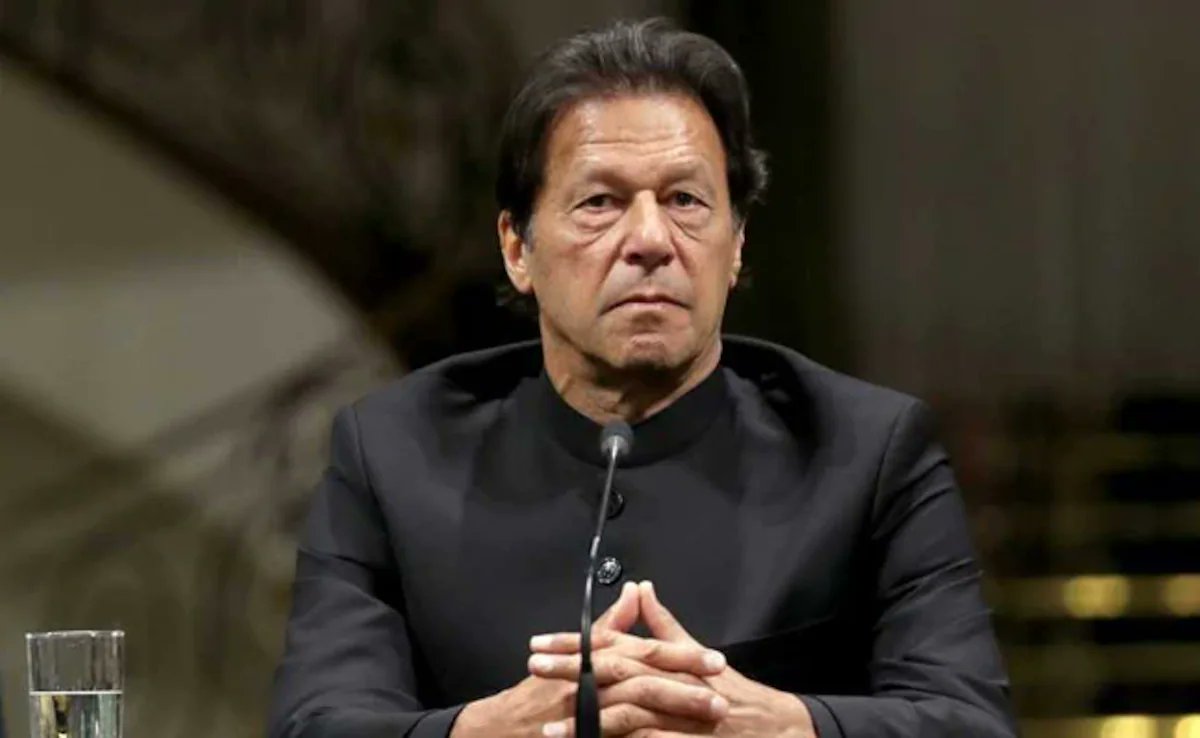
Pakistan's former Prime Minister and 1992 World Cup-winning cricket captain Imran Khan's health has come under renewed scrutiny after Pakistan's Supreme Court ordered that he be shifted from Adiala Jail to a hospital for medical assessment and treatment. Khan, who has been imprisoned since August 2023, has faced repeated health concerns during his incarceration. His family, lawyers and Pakistan Tehreek-e-Insaf (PTI) have alleged that prolonged isolation and restricted access to family members and personal doctors have affected his wellbeing. Authorities, however, have disputed claims that he is being denied adequate medical care. While the details of Khan's current medical condition remain subject to medical assessment, his reported health concerns have also raised an important question: how can prolonged psychological stress affect blood pressure and heart health?
What Happens To The Heart During Chronic Stress?
According to Dr Gautam Singal, Associate Professor of Cardiology and Senior Consultant, Amrita Hospital, Faridabad, the more important medical question is what happens when psychological stress stops being temporary and becomes chronic. "When psychological stress turns from a transient situation to a chronic one, what happens to the heart? This is the more significant medical issue raised by the discussion around Imran Khan's health," says Dr Singal. He explains that chronic stress is not merely an emotional experience. It can trigger physical changes throughout the body. The brain responds to prolonged stress by activating the hypothalamic-pituitary-adrenal axis and the sympathetic nervous system. This leads to the release of stress hormones such as adrenaline and cortisol.
Adrenaline can increase heart rate and make the heart work harder, while cortisol can influence blood vessel function and metabolism. Blood vessels may constrict, causing blood pressure to rise. For a short period, this response is a normal part of the body's stress reaction. The concern arises when the body remains in this heightened state for weeks, months or even longer.
Can Long-Term Stress Raise Blood Pressure?
Prolonged stress may contribute to elevated blood pressure, particularly when combined with other cardiovascular risk factors. "Blood pressure rises. For a few minutes, this response is protective. For weeks or months, the biology shifts," says Dr Singal. Repeated increases in blood pressure can place additional stress on the walls of blood vessels. Prolonged activation of the sympathetic nervous system may also affect the inner lining of blood vessels, increase arterial stiffness and contribute to inflammatory changes.
Chronic stress can also indirectly affect heart health by disrupting sleep, eating habits, physical activity and blood sugar regulation. Over time, these changes can contribute to a cluster of cardiovascular risk factors.
What Does The Research Say?
The relationship between chronic stress and cardiovascular health has been increasingly studied. Dr Singal points to evidence suggesting that higher levels of stress hormones may be associated with a greater risk of developing hypertension later in life. Studies have also linked elevated cortisol levels and stress-related conditions with a higher risk of cardiovascular events. The scale of the underlying problem is significant. According to the World Health Organization, around 1.4 billion adults aged 30 to 79 years were living with hypertension in 2024, while only about one in five people with hypertension had it under control.
Stress is not the only cause of high blood pressure, but persistent psychological stress can become an additional risk factor, particularly in people who already have a predisposition to hypertension or cardiovascular disease.
What Are The Warning Signs?
One of the biggest misconceptions about stress-related heart problems is that they always produce dramatic symptoms. They may not. Persistent or recurrent symptoms such as:
- Palpitations
- Breathlessness
- Headaches
- Sleep disturbances
- Unusual fatigue
- Repeatedly elevated blood pressure readings
- Chest discomfort
should not automatically be attributed to anxiety or stress.
Dr Singal stresses that people should consider the persistence, severity and overall cardiovascular context of these symptoms. For example, someone experiencing occasional palpitations during a stressful situation may not have the same level of risk as someone experiencing persistent palpitations accompanied by breathlessness, chest pain or fainting.
Should You Blame Stress For Every Symptom?
This is particularly important because symptoms associated with anxiety and cardiovascular disease can sometimes overlap. "Don't blame anxiety for these symptoms right away," says Dr Singal. Persistent symptoms deserve proper evaluation rather than self-diagnosis. Depending on the individual's symptoms and risk factors, a doctor may recommend blood pressure monitoring, an ECG, blood tests or other cardiac investigations.
Similarly, medication should not be started simply because someone is going through a stressful period. Treatment decisions should be based on the person's medical condition, risk factors and clinical evaluation.
How Can Chronic Stress Affect Heart Health Over Time?
The effects of chronic stress may extend beyond temporary increases in heart rate or blood pressure. Long-term stress can contribute to:
- Persistent or worsening blood pressure
- Poor sleep
- Changes in eating habits
- Reduced physical activity
- Poor blood sugar control
- Increased inflammation
- Worsening of existing cardiovascular risk factors
These effects can become particularly important when stress persists for months or years.
Managing chronic stress therefore should not be viewed purely as a mental health issue. It can also form part of a broader strategy for protecting cardiovascular health.
How Can You Protect Your Heart During Prolonged Stress?
While stress cannot always be eliminated, its impact can often be reduced through healthy routines. Regular physical activity, adequate sleep, a balanced diet, avoiding tobacco, limiting alcohol and maintaining healthy blood pressure and blood sugar levels can all support cardiovascular health. Relaxation techniques, meditation, breathing exercises, social support and professional counselling may also help people manage prolonged psychological stress. People with existing hypertension, diabetes, high cholesterol or heart disease may need particularly close medical monitoring during periods of sustained stress.
The concerns surrounding Imran Khan's health highlight a broader medical issue: chronic psychological stress does not remain confined to the mind. Short-term stress is a normal physiological response, but prolonged stress can keep the body's cardiovascular system in a state of heightened alertness. Over time, this may contribute to blood pressure changes, vascular dysfunction and worsening cardiovascular risk factors.
As Dr Singal puts it, "Long-term stress does not remain in the brain. The circulatory system is compelled to coexist with the brain while it is on alert for an extended period of time." The key message is not to fear stress, but to recognise when it becomes persistent and to take recurring physical symptoms seriously rather than assuming they are simply a consequence of anxiety.
Disclaimer: This content including advice provides generic information only. It is in no way a substitute for a qualified medical opinion. Always consult a specialist or your own doctor for more information. NDTV does not claim responsibility for this information.