

)
Delhi, Bengaluru, Mumbai and many other parts of India are currently witnessing a sharp surge in H1N1 cases. Despite the sharp spike in cases, the Indian Council of Medical Research (ICMR) has confirmed that this is a predictable seasonal pattern driven by monsoon conditions, and no new variant has been detected. H1N1, commonly known as swine flu, leads to high fever, sore throat, persistent cough, severe body ache, headaches, fatigue and digestive issues. Most healthy individuals recover well from H1N1. While fever and other symptoms subside within five to seven days, some individuals may experience persistent tiredness and fatigue.
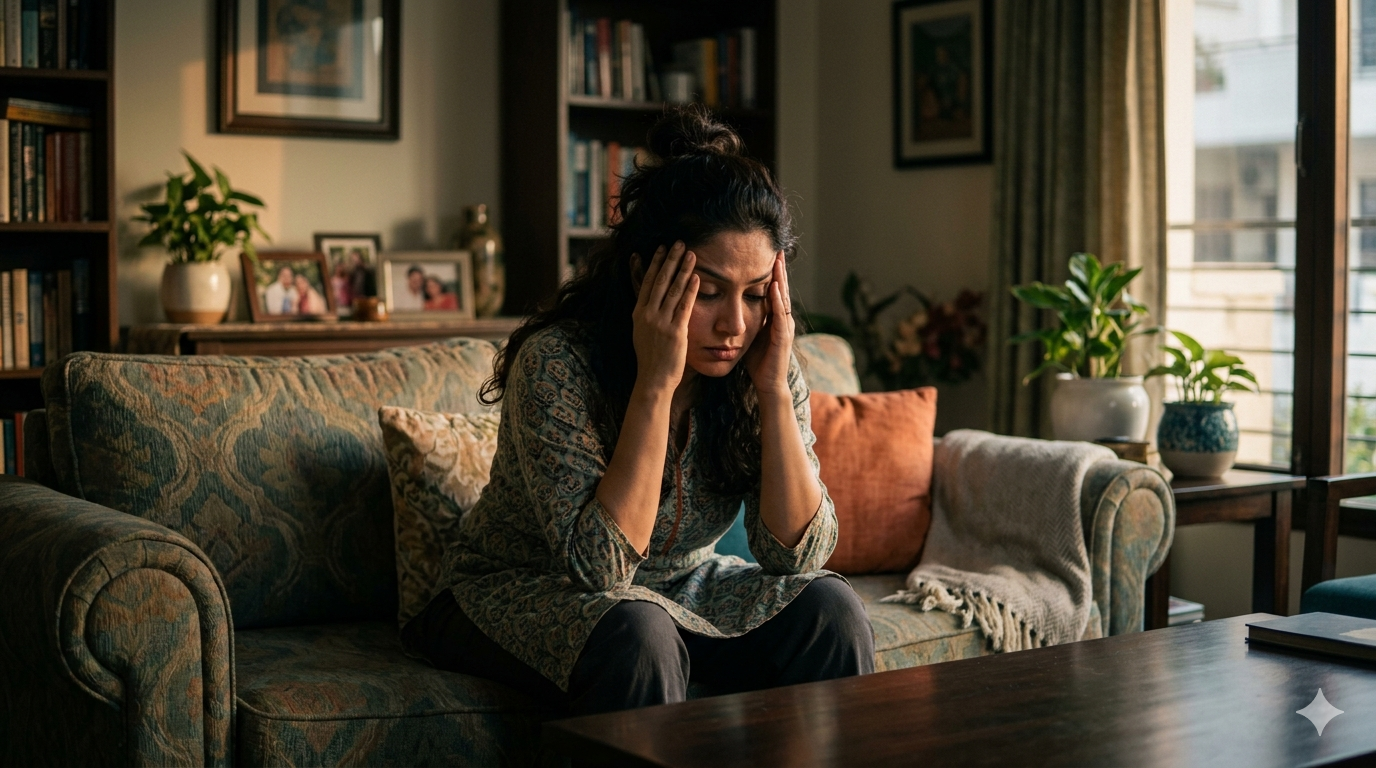
Why are you still tired post-flu?
The fever has subsided, the cough has improved, and most symptoms of H1N1 influenza seem to have cleared, but getting back into a routine may not be easy. "Feeling tired after having had an influenza attack is not unusual. This does not mean that the infection has survived," says Dr. Ankit Kumar Sinha, Senior Consultant and Unit Head - Pulmonology, Respiratory and Sleep Medicine at Max Super Speciality Hospital, Vaishali.
Most people remain exhausted after the flu because the body's immune system consumes massive amounts of energy to fight the virus. This lingering fatigue, known as post-viral fatigue, is a normal part of the healing process.
"Having influenza puts strain on one's body because of the work the immune system has to do. The immune system produces inflammatory substances when fighting the virus, and one can therefore end up feeling exhausted as a result of this process. On top of this, the symptoms of influenza, like high temperature, poor appetite, poor sleep and dehydration, contribute to this feeling of tiredness. Even after the infection is overcome, the body still needs time to recover from the effects of the virus, which is why a person can feel exhausted when coming back to work, school or performing household duties," Dr. Sinha explains.
How long does it last?
- Standard recovery: Post-viral fatigue typically lasts between 1 and 3 weeks after the main respiratory symptoms disappear.
- Gradual improvement: Your energy levels will not return all at once. They will return incrementally day by day.
- When to worry: If your extreme exhaustion lasts longer than 4 to 6 weeks without any improvement, you should consult a doctor to rule out secondary bacterial infections, severe anaemia, or chronic post-viral syndromes.
What should you do for better recovery?
"Returning to normal activities too soon is a common mistake. Improvement does not automatically equate to recovery. With proper rest and recovery, a gradual return to activities along with a proper intake of food and fluids can ensure faster recovery," he adds. Foods rich in protein, such as eggs, paneer, curd, legumes, and lean meat, ensure proper nutrition. Meanwhile, fruits and vegetables supply essential vitamins, minerals, and nutrients.
"At the same time, persistent fatigue should not be thought of as a mere post-influenza condition. If the fatigue does not improve or worsens, it could require medical attention. Visit the doctor if the fatigue is accompanied by other conditions like breathlessness, chest pain, uncontrollable fever, dizziness, confusion, or other conditions of the heart or fatigue," Dr. Sinha recommends.
Disclaimer: This content including advice provides generic information only. It is in no way a substitute for a qualified medical opinion. Always consult a specialist or your own doctor for more information. NDTV does not claim responsibility for this information.