

)
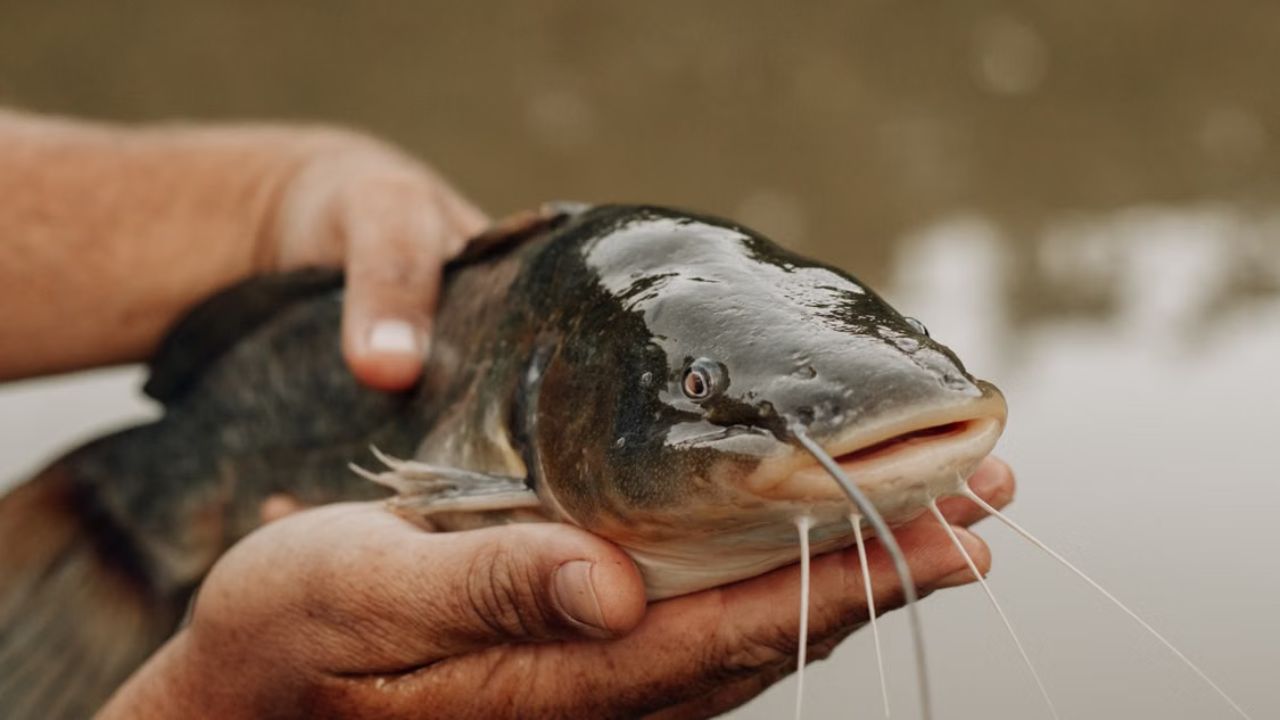
Cancer is a disease that is not contagious in humans. You cannot catch cancer from someone by touching them, sharing food, hugging, kissing, or being near them. However, a new study has discovered a rare form of contagious cancer in brown bullhead catfish. The research, published in Nature, found that the fish were not developing separate cancers on their own. Instead, living cancer cells were passing directly from one fish to another. This is only the fourth known naturally occurring transmissible cancer in the animal kingdom and the first ever found in a freshwater fish.
Researchers say that this discovery can help in the better understanding of how cancer evolves and spreads between cells. However, it is also important to note that this does not mean humans are at risk of catching cancer from one another. The findings of this study have raised questions about whether cancer can ever spread like an infectious disease. The answer to this is no. For everyday human life, cancer is not contagious.
Humans develop cancers when a person's own cells undergo genetic changes and begin to grow uncontrollably. While some viruses, such as human papillomavirus (HPV) and hepatitis B virus (HBV), can increase the risk of developing certain cancers, the viruses themselves are contagious, not the cancer.
What Did The New Study Find?
Researchers studied black skin tumours that had been affecting brown bullhead catfish in Lake Memphremagog, located between Vermont in the US and Quebec in Canada. Initially, scientists suspected pollution or an infectious virus. However, genetic testing revealed something unexpected, the tumour cells from different fish were nearly genetically identical, showing that the cancer cells themselves were moving from one fish to another rather than developing independently.
Scientists believe the cancerous cells may spread through close physical contact during spawning or possibly through contaminated water or lake sediments. However, the exact route of transmission is still being studied.
What Is Transmissible Cancer?
Unlike ordinary cancer, transmissible cancer occurs when living cancer cells leave one individual and survive inside another individual of the same species. Instead of bacteria or viruses causing the disease, the cancer cells themselves act as the infectious agent. This is extremely rare because the immune system of most animals quickly recognises and destroys foreign cells. For transmissible cancer to survive, the cancer cells must avoid immune detection and continue multiplying inside a new host.
Other Animals With Contagious Cancer
Before this discovery, naturally occurring transmissible cancers had been identified in only a few animals:
- Dogs: Canine transmissible venereal tumour (CTVT), which spreads mainly during mating.
- Tasmanian devils: Devil facial tumour disease, spread through biting during fights.
- Certain shellfish and clams: Cancer cells can spread through seawater between individuals.
The catfish melanoma now joins this list, making it the fourth known naturally occurring transmissible cancer.
Can Humans Catch Cancer From Another Person?
For almost everyone, the answer is no. Cancer cannot spread through:
- Hugging or shaking hands
- Kissing
- Sharing food or drinks
- Coughing or sneezing
- Using the same toilet
- Sexual contact (although some infections that increase cancer risk can spread sexually)
The human immune system is effective at recognising and destroying foreign cells, which makes it extremely difficult for another person's cancer cells to survive inside a healthy individual.
Why Is This Discovery Important
Although the catfish cancer poses no known threat to humans, it offers scientists an opportunity to study how cancer cells evolve, escape immune defences, and spread between living organisms. Understanding these mechanisms could provide insights into tumour biology, immune evasion, and even future cancer treatments. Researchers also aim to learn more about how environmental factors, genetics, and immune responses contribute to the emergence of these rare cancers.
Disclaimer: This content including advice provides generic information only. It is in no way a substitute for a qualified medical opinion. Always consult a specialist or your own doctor for more information. NDTV does not claim responsibility for this information.