

Choosing the right breakfast is not only about eating enough but also about getting the right balance of nutrients. From idli and dosa to poha, paratha and eggs, popular breakfast choices can vary significantly in their carbohydrate and protein content.
Sharing a video on Instagram, nutritionist Rashi Chowdhary breaks down the carb-to-protein ratio of these everyday meals and explains how making smarter food combinations can help you support better blood sugar management.
“Food is information before it's calories, and every symptom that you feel after you eat is your body replying to you,” she shares. Citing the example, she compares poha with moong dal chilla, where both the dishes are cooked in ghee.
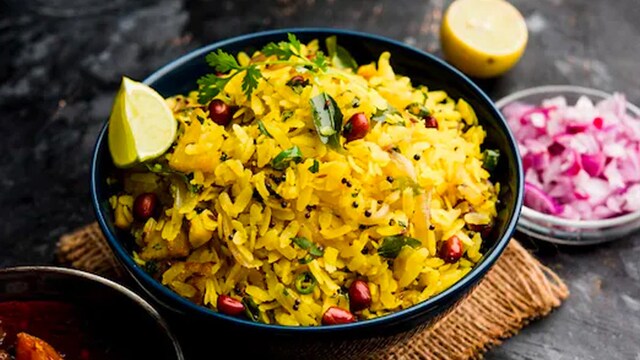
“Here is your favourite poha. What is the carb-to-protein ratio? 6:1. What is the message? Let's flood the blood with sugar,” she says, explaining that when people eat poha in the morning, it spikes the blood sugar, resulting in the pancreas stepping in to calm the sugar rush. That is why the body feels sleepy and starves before lunch time.
“Now, this is breakfast two: moongdal chilla with some hung curd or Greek yoghurt. The protein-to-carb ratio is almost 1:1. What is the message it gives you? Steady fuel. What is your body's reply? I am full, I am focused, and I am not thinking about food till lunch,” she explains.
Rashi Chowdhary shares that both poha and moong dal chilla have the same 500 calories but work differently when you consume them. “I'm not telling you, 'Don't eat poha.' All I'm saying is please add 150 grams of Greek yoghurt or sprouts on the side,” she says.
Citing this simple example, the nutritionist adds, “The problem is India is ageing very badly. Over 100 million people today already have diabetes. These small changes that you make on your plate today will change what the next 10 years look like for us.”
According to Rashi Chowdhary, it is not about how much one eats. Sometimes it is about what one is eating and pairing it with.
Disclaimer: This content including advice provides generic information only. It is in no way a substitute for a qualified medical opinion. Always consult a specialist or your own doctor for more information. NDTV does not claim responsibility for this information.