

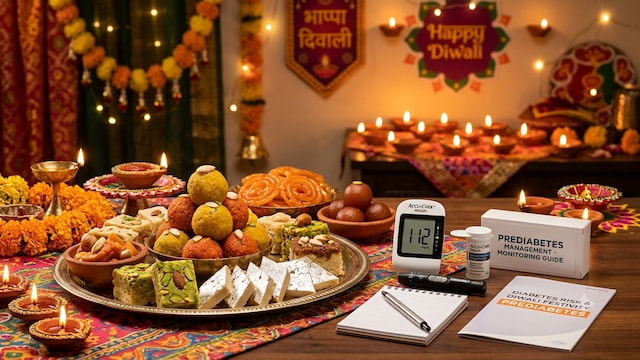
Festivals bring forth celebrations, family meetings and sharing of all sorts of tasty delicacies. Whether it is sweets and fried snacks as well as gravies and multi-course meals, festive occasions always have a way of encouraging us to overdo it with the consumption of the kinds of food that are usually less on our menu. While eating these treats is absolutely okay, we should not neglect that the changes in eating habits like overeating, irregular meal times and lack of physical activity can negatively affect our health, especially our heart. Keep in mind that festive enjoyment shouldn't mean you neglect your heart health.
How Festive Foods Can Affect Your Heart
In addition to cardiovascular problems related to eating and exercise patterns, one major issue during the festive period is the high level of saturated fats, trans fats, salt and refined sugar in foods that are consumed. Too often, eating lots of deep-fried snacks, sweets, processed foods and heavy meals may be the reason why one is getting overweight, his or her cholesterol levels getting higher and his or her blood sugar poorly controlled. Elevated LDL cholesterol, also called bad cholesterol, is one of the reasons why artery plaques develop. Atherosclerosis is this condition where arteries get plaque, thereby causing arteries to become narrow and restricting blood flow to the heart. If plaque ruptures, and a blood clot forms, it may result in a heart attack.
Too much salt intake is yet another concern especially for people with high blood pressure as most holiday and frozen snacks as well as other convenience foods are usually loaded with salt. High salt consumption can be the reason for increased blood pressure which means the heart has to work harder.
Those people who are diagnosed with hypertension, diabetes, or high cholesterol, or are at risk, i. e. had a heart attack or a stroke recently, should be extra cautious of their food selections during the holidays.
Late-Night Meals, Exercise and Their Impact on Heart Health
A very common festive behaviour is the late-night heavy meal and exercising being left out. Festive meals and drinks may throw our daily routines and our exercise schedule totally off-balance. If you have had a huge meal you may feel bloated and sluggish, not very inviting to any form of exercise after that. It is a good idea for us to recall that immediately following a heavy meal with exercise is a bad idea.
Digestion causes an increased blood flow to the digestive tracts. So, if someone were to engage in vigorous physical activity immediately after eating, they would most likely suffer from stomach upset, nausea, acidity and cramps. One must give the food enough time to digest before a workout, preferably.
A short stroll after meals, however, is recommended, because besides supporting the digestion it also helps in decreasing insulin spikes due to sugar levels after eating. Going a few festival days without exercising can possibly be done without suffering any harm, but the lack of activity over an extended period with the over-consumption of calories will result in weight gain and various kinds of metabolic disorders. The body requires physical movements for it to work well, it can be as simple as walking and jogging, to playing the most difficult sports. Exercising regularly helps maintain a strong and healthy heart. It aids in getting blood flowing, keeping blood pressure balanced, checking cholesterol levels, staying at a good weight, and making the body more responsive to insulin.
Even in case of a very hectic holiday schedule, it is essential that one keeps exercising. Just 30 minutes walking a few stretching exercises, or some mild workouts can suffice. However, people who have a cardiac disease should speak to their physicians about the suitable amount of exercise to do.
Late-night meals and lack of sleep can be more detrimental to cardiovascular health. Inadequate sleep can cause the imbalance of the hormones that control the feeling of hunger, also leading to disturbances in the metabolic process and changes in blood pressure levels. These negative effects will definitely intensify if one also indulges in unhealthy food, drinking excess alcohol. The main steps are regular meals, not heavy dinners near bedtime and getting good sleep to ensure a healthy heart.
Precautions for People With Existing Heart Conditions
During festivals, especially those with a wide variety of food, people with pre-existing health conditions should be extremely careful. Those with diabetes, blood pressure, overweight, high cholesterol or previous history of heart attack should definitely stay away from fried food, sweet desserts and salty chips in huge quantities. Along with that they should not forget taking their prescribed medicines on daily basis and never stop their regular treatment even if it is a festive season.
A heart attack can be life-threatening and thus people have to understand the symptoms of its onset before getting into a festive event: chest pain or pressure, getting out of breath, sweating for no reason, dizziness, feeling discomfort spreading from the chest to the arms, jaw or back are some of the classic signs of a heart attack which one should pay attention to and not overlook them as a simple after-dinner acidity or indigestion. So, in case these signs seem to be indicating a heart attack situation, one must seek help immediately. You may continue to eat your favourite dishes without getting overly anxious during the festivities. The secret lies in eating reasonably and taking time to decide what you want in your mouth. By eating moderate-sized portions, adding vegetables and protein-rich ingredients into your meals, avoiding deep-fried snacks, staying adequately hydrated, and doing physical activity regularly on festive days, you will surely reduce the negative impact that such festivals are likely to bring about.
Actually, how well the heart works depends not just on festive indulgence alone but on lifestyle choices that we constantly pursue throughout our lives. Having an enjoyable festive season without putting our cardiovascular health at risk is possible through the combination of responsible celebration, staying fit and healthy, getting enough sleep and managing existing health conditions.
Disclaimer: This content including advice provides generic information only. It is in no way a substitute for a qualified medical opinion. Always consult a specialist or your own doctor for more information. NDTV does not claim responsibility for this information.