

)
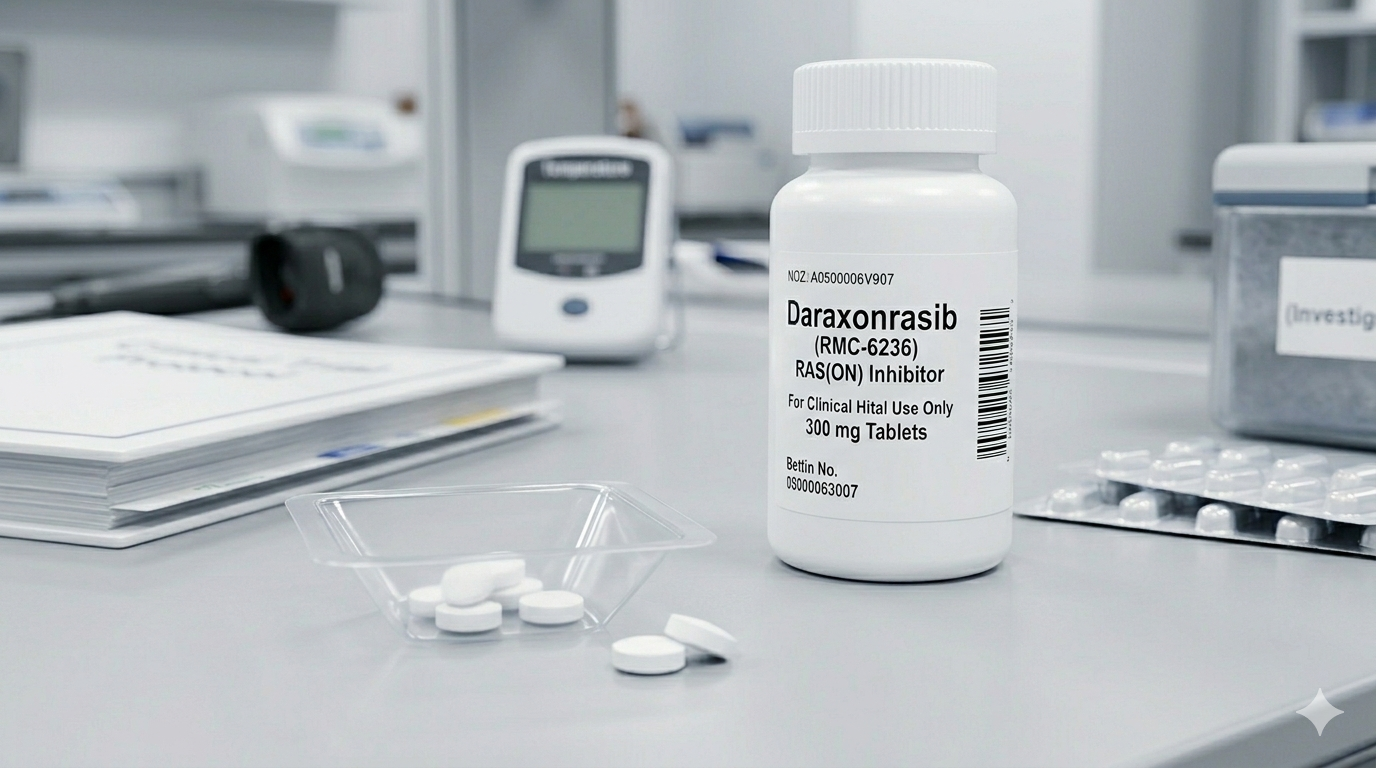
The US Food and Drug Administration (FDA) has approved a new targeted treatment for advanced pancreatic cancer, offering a potentially important new option for patients whose disease has already been treated. The drug, daraxonrasib, marketed as Rasonque, is a once-daily oral medicine designed to target the RAS family of proteins, which play a central role in driving the growth of many pancreatic cancers. The approval, announced on August 26, 2026, covers adults with metastatic pancreatic adenocarcinoma who have received at least one prior systemic treatment or are not candidates for multi-agent systemic therapy.
The development is particularly significant because pancreatic cancer remains one of the world's deadliest cancers. According to the International Agency for Research on Cancer (IARC), more than 510,000 people were diagnosed with pancreatic cancer globally in 2022, while nearly 467,000 died from it. In a previous exclusive interview with NDTV Lifeline, Dr. Shubham Pant, one of the key researchers behind the daraxonrasib clinical trials called the drug "the biggest pancreatic cancer breakthrough in the last 50 years."
What is daraxonrasib and how does it work?
Daraxonrasib is a RAS(ON) multiselective inhibitor. RAS proteins act as molecular switches involved in cell growth and survival. When mutations keep these proteins abnormally active, they can continuously send signals that encourage cancer cells to grow and spread.
This pathway is particularly important in pancreatic ductal adenocarcinoma (PDAC), the most common form of pancreatic cancer. More than 90% of PDAC tumours carry activating RAS mutations, with KRAS mutations being especially common. For decades, directly targeting this pathway has been considered one of the major challenges in pancreatic cancer treatment.
Daraxonrasib is designed to bind to RAS proteins in their active state and inhibit signalling across multiple RAS variants, rather than targeting just one specific mutation.
What did the pancreatic cancer trial find?
The FDA approval was based on the phase 3 RASolute 302 trial, published in the New England Journal of Medicine.
The randomised, open-label trial involved 500 adults with previously treated metastatic pancreatic ductal adenocarcinoma. Participants were assigned to receive either daraxonrasib or a physician's choice of standard chemotherapy. About 91.8% of participants had RAS G12 mutations.
The results were notable:
- Median overall survival: 13.2 months with daraxonrasib versus 6.7 months with chemotherapy.
- Median progression-free survival: 7.2 months versus 3.6 months.
- The risk of death was reduced by about 60%, reflected by a hazard ratio of 0.40.
- Serious, grade 3 or higher adverse events occurred in 61.8% of patients receiving daraxonrasib, compared with 69.6% receiving chemotherapy.
- Treatment-related side effects led to treatment discontinuation in 1.2% of the daraxonrasib group versus 11.2% of the chemotherapy group.
The findings suggest that the drug does not merely shrink tumours in some patients but can also meaningfully extend survival in a difficult-to-treat population.
What are the side effects?
Daraxonrasib is not free of side effects. Earlier phase 1-2 research involving previously treated patients reported treatment-related adverse events in 96% of participants, although grade 3 or higher events occurred in 30%. Common treatment-related problems included rash, diarrhoea, nausea, inflammation of the mouth or mucous membranes, vomiting and fatigue.
The phase 3 trial also found adverse events to be common, although severe adverse events were somewhat less frequent than in the chemotherapy group. This means patients will still require close medical monitoring while receiving the drug.
Also Read: Pancreatic Cancer Breakthrough: New Daily Pill Doubles Survival Time For Advanced Patients
Does this mean pancreatic cancer can now be cured?
No. The FDA approval is an important advance, but daraxonrasib is not a cure for metastatic pancreatic cancer.
The trial involved people whose cancer had already spread and progressed following previous treatment. The reported 13.2-month median survival means half the patients lived longer than that and half lived for less; it does not predict an individual's exact survival.
The drug is also currently a US FDA-approved treatment. Its approval does not automatically mean that it is approved or routinely available in India. India's Central Drugs Standard Control Organisation (CDSCO) separately regulates the approval and marketing of new drugs in the country.
The approval of daraxonrasib marks a significant development in pancreatic cancer treatment, particularly because it successfully targets the RAS pathway that drives most pancreatic tumours. In a phase 3 trial, the drug nearly doubled median overall survival compared with standard chemotherapy in previously treated metastatic disease.
For a cancer with historically limited treatment options and a poor prognosis, the results represent meaningful progress. The next challenge will be determining how the drug performs in broader patient populations, how resistance develops and whether RAS-targeted treatments can eventually be moved earlier in the course of pancreatic cancer.
Disclaimer: This content including advice provides generic information only. It is in no way a substitute for a qualified medical opinion. Always consult a specialist or your own doctor for more information. NDTV does not claim responsibility for this information.