

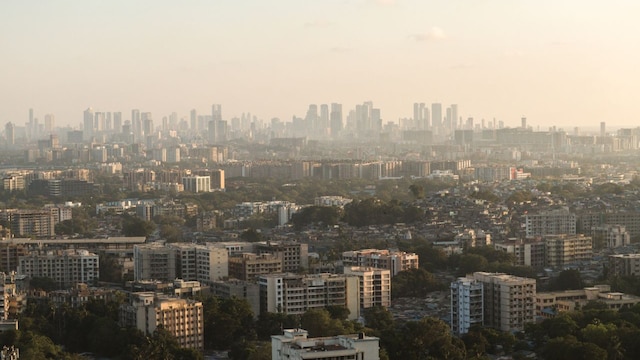
Mumbai is facing a worrying deterioration in air quality, with pollution levels recently surpassing those in Delhi and raising fresh concerns about the health risks of breathing polluted air. On October 24, Mumbai's Air Quality Index (AQI) reportedly touched 322, placing it in the 'very poor' category, while Delhi recorded an AQI of 176, according to a report published by NDTV on October 26. The development has challenged the assumption that Mumbai's coastal location and sea breezes can protect it from the kind of pollution episodes associated with the national capital.
The timing is particularly concerning as India moves into the post-monsoon period, when dry weather, construction activity, road dust and unfavourable atmospheric conditions can allow pollutants to accumulate. The consequences extend beyond a hazy skyline: exposure to polluted air can aggravate asthma, worsen existing heart and lung conditions and increase the risk of longer-term health problems.
For residents, the immediate priority is to understand local air quality and adjust daily routines accordingly. Here is what Mumbai's worsening pollution means for your health, who faces the greatest risks and what you can do to reduce exposure.
Why is Mumbai's air pollution worsening?
Mumbai's recent pollution spike reflects a combination of urban emissions, weather conditions and seasonal changes. The city's coastal location can help disperse pollutants, but this advantage diminishes when winds weaken and atmospheric conditions prevent polluted air from moving away.
Reports from October 21 noted that Mumbai's AQI had reached 165 on IQAir's platform, marginally exceeding Delhi's 164. The report also highlighted differences between the readings of international monitoring platforms and India's Central Pollution Control Board (CPCB), underscoring why the source, time and location of an AQI reading matter.
Several factors are contributing to the problem:
- Construction and road dust: Excavation, demolition, uncovered construction materials and dust from roads can increase particulate matter, particularly PM10.
- Vehicle emissions: Traffic congestion and exhaust from petrol and diesel vehicles release fine particles and gases, including nitrogen dioxide.
- Industrial emissions: Industrial activity and fuel combustion add pollutants to the atmosphere.
- Firecrackers and waste burning: Fireworks and open burning can release smoke, fine particulate matter and other harmful substances.
- Weather conditions: Low wind speeds and unfavourable atmospheric conditions can trap pollutants near the ground. Dry conditions after the monsoon can also allow dust to remain suspended for longer.
The NDTV report has also flagged the possibility that El Nino-related weather conditions could worsen Mumbai's pollution by affecting wind speeds and pollutant dispersion. The precise contribution of individual factors, however, requires further monitoring and assessment.
READ | 7 Steps To Prepare Your Home And Health For Peak Pollution Season
How does air pollution affect your health?
The principal concern is particulate matter, particularly PM2.5, particles small enough to penetrate deep into the lungs and, in some cases, enter the bloodstream.
According to the World Health Organization (WHO), outdoor air pollution is associated with cardiovascular diseases, stroke, chronic obstructive pulmonary disease (COPD), respiratory infections and lung cancer. Short-term exposure can aggravate existing respiratory conditions, while repeated or prolonged exposure increases the risk of serious health problems.
Possible effects include:
- Respiratory irritation: Coughing, throat irritation, wheezing and breathlessness.
- Asthma flare-ups: Polluted air can trigger symptoms and increase the need for medication in susceptible people.
- Heart-related complications: Fine particles are associated with cardiovascular stress and an increased risk of heart attacks and strokes.
- Reduced lung function: Children and adolescents may be particularly vulnerable because their lungs are still developing.
- Long-term disease risks: Sustained exposure is linked to chronic respiratory illness and lung cancer.
Children, older adults, pregnant women and people with asthma, COPD, heart disease or other chronic conditions should take particular care. However, pollution is not harmless for otherwise healthy adults, especially during prolonged exposure.
7 ways to protect yourself from Mumbai's air pollution
Practical steps for families, commuters, children and older adults:
- Check the AQI before stepping out: Check the CPCB's National Air Quality Index or its SAMEER app before planning your commute, morning walk or outdoor workout. Check your neighbourhood's monitoring station where possible, because pollution can vary considerably across Mumbai.
- Reschedule strenuous outdoor exercise: When air quality deteriorates, avoid running, cycling or vigorous workouts outdoors, particularly near busy roads and construction sites. Move exercise indoors or choose a time and location when pollution levels are lower. Do not abandon physical activity altogether; adapt it to the conditions.
- Wear a well-fitting N95 or equivalent respirator: If outdoor exposure is unavoidable during high particle pollution, a properly fitted N95, FFP2 or equivalent certified respirator can reduce inhalation of fine particles. It must seal closely around the nose and mouth. Cloth and ordinary surgical masks do not offer equivalent protection against fine particulate pollution. Particle-filtering respirators do not protect against every harmful gas.
- Improve indoor air quality: Keep windows and doors closed when outdoor pollution is high, provided indoor conditions remain comfortable and safe. Consider a correctly sized air purifier with a high-efficiency particulate air (HEPA) filter, especially in a bedroom or room used by vulnerable family members. Avoid smoking indoors, burning incense or candles, and using other sources of smoke. Follow manufacturer instructions for filter replacement.
- Protect children and older family members: Reduce children's outdoor play and strenuous sports during poor-air-quality episodes. Older adults and people with heart or lung disease should limit prolonged exertion and follow medical advice. Schools and employers should consider indoor alternatives when local pollution levels are high.
- Reduce exposure during daily commutes: Where practical, avoid waiting beside idling vehicles and heavily congested junctions. Choose routes away from major roads and construction zones when feasible. Public transport and carpooling can help reduce emissions collectively, although commuters should still minimise their personal exposure to roadside pollution.
- Take respiratory symptoms seriously: People with asthma should follow their prescribed treatment plan and keep their reliever medication accessible if advised by their doctor. Do not stop prescribed medication or start antibiotics on your own. Seek urgent medical attention for severe breathlessness, chest pain, bluish lips, confusion or rapidly worsening symptoms.
READ | GRAP-1 Imposed In Delhi: What This Means, Especially For Your Lungs
Mumbai needs cleaner air, not just individual precautions
Mumbai's worsening air pollution is a reminder that no Indian city can rely on geography alone to guarantee clean air. Masks, indoor filtration and changes to outdoor routines can help reduce personal exposure, but they cannot replace effective pollution control.
The long-term response must include stricter dust management at construction sites, enforcement against open burning, cleaner transport, better industrial emission controls and reliable monitoring across neighbourhoods. Public authorities must also communicate local air quality clearly so that schools, workplaces and healthcare providers can respond appropriately.
For residents, the immediate message is simple: check the AQI, reduce strenuous outdoor activity when pollution is high, protect vulnerable family members and seek medical help for serious symptoms. Clean air is not merely an environmental concern; it is essential for the health of Mumbai's families.
Disclaimer: This content including advice provides generic information only. It is in no way a substitute for a qualified medical opinion. Always consult a specialist or your own doctor for more information. NDTV does not claim responsibility for this information.