
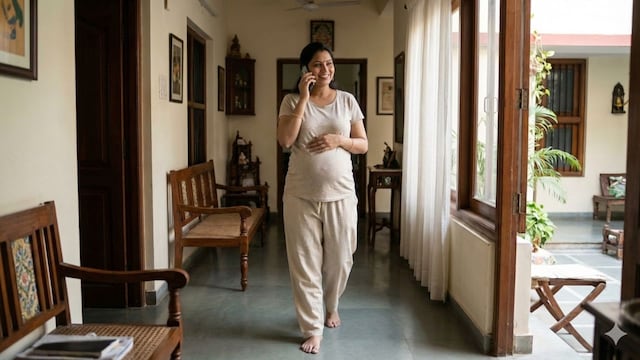
Pregnancy often comes with advice about eating well, getting enough rest, and staying active. While regular exercise has long been considered important for maternal health, a new study suggests that the amount of time spent sitting is equally important. The study, published in JAMA, has found that pregnant women who spend less time being sedentary and engage in more daily movement are less likely to experience serious pregnancy complications.
The findings have encouraging news for expectant mothers who may struggle with structured exercise due to fatigue, nausea, or physical discomfort. According to the researchers, even light activities such as walking, standing, and moving around the home can make a meaningful difference. The study suggests that reducing sitting time and increasing everyday movement may help support healthier pregnancies and better outcomes for both mothers and babies.
A Look At The Study
The study followed 470 pregnant women from early pregnancy through delivery. Researchers used thigh-worn accelerometers, which are wearable devices that objectively measure movement and sitting time, to track participants' activity levels during pregnancy.
On average, the women spent 10.1 hours per day sitting, engaged in 4.6 hours of light physical activity daily, and had about 6,783 steps each day. Researchers then examined how these activity patterns were linked to pregnancy outcomes.
Among the participants, 174 women, or 37%, experienced at least one adverse pregnancy outcome. These outcomes included conditions such as gestational diabetes, preterm birth, low birth weight, and other complications that can affect maternal and infant health. Additionally, 86 women, or 18.3% of the study population, developed hypertensive disorders of pregnancy, including gestational hypertension and preeclampsia.
Less Sitting, Lower Risk
One of the study's most important findings was the relationship between sedentary behaviour and pregnancy complications.
Women who spent the least amount of time sitting had a significantly lower risk of adverse pregnancy outcomes than those who spent the most time sedentary. Researchers estimated that women with an average of about seven hours of sedentary time per day had a substantially lower risk of complications than women who sat for more than ten hours daily.
Among women with the lowest sedentary time, the estimated risk of adverse pregnancy outcomes was approximately 19%. In contrast, women with high or very high levels of sedentary behaviour faced risks more than 41%. In other words, the chances of complications was more than twice as high among women who spent long periods sitting.
These findings suggest that prolonged sedentary behaviour may be an important but often overlooked risk factor during pregnancy.
Why Sedentary Time Matters
Sitting for extended periods can affect several processes within the body. Reduced movement may slow circulation, decrease muscle activity, and impair the body's ability to regulate blood sugar and blood pressure. During pregnancy, these effects can contribute to conditions such as gestational diabetes and hypertensive disorders.
Researchers also noted that sedentary behaviour is not simply the absence of exercise. A woman may complete a daily workout yet still spend most of the day sitting at a desk, in a car, or on the couch. The study highlights that reducing overall sitting time may provide health benefits that are beyond those from traditional exercise.
Benefits Of Light Physical Activity
The study also found strong evidence that light physical activity plays an important role in supporting healthy pregnancies. Light physical activity includes everyday movements such as walking around the house, doing household chores, standing while working, shopping, or taking short strolls. These activities may not feel like formal exercise, but they can still have significant health benefits.
Women with the highest levels of light physical activity had an estimated adverse pregnancy outcome risk of 21.1%. In comparison, women with the lowest levels of light activity faced a risk of 40.3%. This is particularly encouraging because light activities are often more accessible and manageable during pregnancy than vigorous workouts.
Every Step Counts
Daily step counts were another important measure examined by the researchers. The results showed a clear link between taking more steps and experiencing fewer pregnancy complications.
Women who recorded the lowest daily step counts had an estimated adverse pregnancy outcome risk of 47.7%. Among women with moderate step counts, the risk dropped to 36.2%. Those with the highest step counts experienced the lowest risk, at 32.2%.
Walking is known to be one of the safest forms of physical activity during pregnancy, making these findings particularly relevant. Even modest increases in daily walking may help lower the risk of complications.
Disclaimer: This content including advice provides generic information only. It is in no way a substitute for a qualified medical opinion. Always consult a specialist or your own doctor for more information. NDTV does not claim responsibility for this information.