

)
Gestational Diabetes Mellitus (GDM) is one of the most common metabolic disorders complicating pregnancy, with a rising global prevalence paralleling increasing rates of obesity and type 2 diabetes. Although GDM is rarely a direct cause of maternal death, it plays a significant role as an indirect contributor to maternal mortality by predisposing women to a spectrum of complications. While often considered a temporary condition that resolves after childbirth, GDM serves as a metabolic stress test that reveals underlying health vulnerabilities. Understanding this relationship is crucial for improving maternal outcomes and reducing preventable deaths.
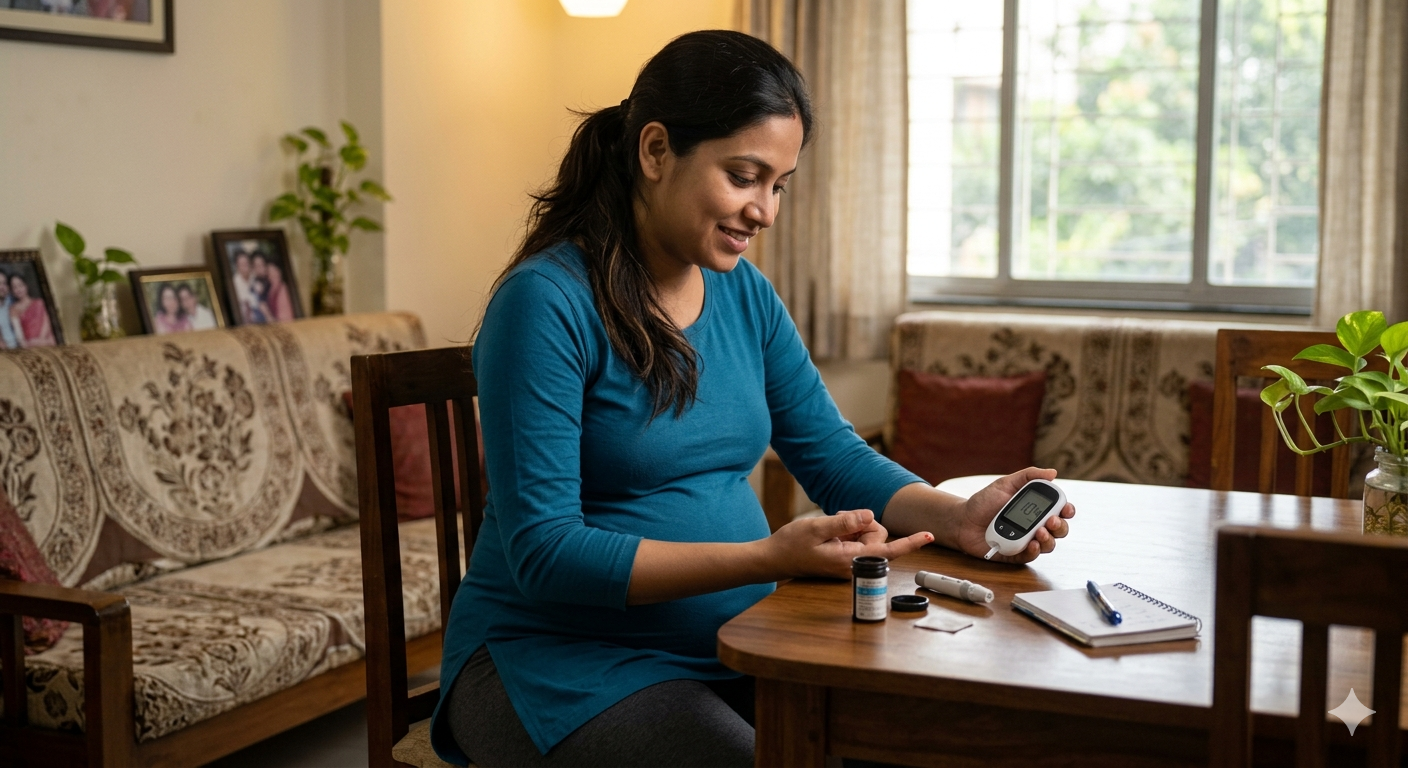
For the unversed, GDM is a type of diabetes that develops during pregnancy. It occurs when the body is unable to produce enough insulin to meet the increased demands of pregnancy, leading to elevated blood sugar levels. Untreated or poorly managed GDM can lead to life-threatening conditions during pregnancy and delivery.
On National Safe Motherhood Day, which is observed on April 11 every year in India, here's how gestational diabetes increases the risk of maternal mortality through both acute pregnancy complications and long-term health issues:
The prevalence of GDM varies widely across populations, ranging from 5% to 20%, depending on diagnostic criteria and population characteristics. In countries like India, the burden is particularly high due to genetic susceptibility, lifestyle factors, and limited access to universal screening in some regions.
GDM is characterised by insulin resistance and relative insulin deficiency that develops during pregnancy. Hormones such as human placental lactogen, progesterone, and cortisol contribute to decreased insulin sensitivity. When pancreatic compensation is inadequate, hyperglycemia ensues, leading to metabolic and vascular changes that affect maternal health.
GDM as an Indirect Cause of Maternal Mortality
According to the World Health Organisation, maternal deaths are categorised into direct and indirect causes. GDM falls under indirect causes, as it exacerbates underlying physiological stress and increases susceptibility to life-threatening conditions.
Mechanisms Linking GDM to Maternal Mortality:
1. Hypertensive Disorders of Pregnancy
GDM is strongly associated with preeclampsia, a major direct cause of maternal mortality.
2. Increased Risk of Infections
Hyperglycemia impairs immune function, increasing susceptibility to infections that may lead to sepsis.
3. Operative Delivery Complications
Higher likelihood of cesarean delivery increases risks such as haemorrhage, thromboembolism, and infections.
4. Metabolic Complications
Severe cases may lead to diabetic ketoacidosis.
5. Cardiovascular Risk
GDM is a marker for future cardiovascular disease.
6. Obesity-related Risks
Obesity further increases anaesthetic and thromboembolic risks.
Risk Factors
Poor glycemic control, late diagnosis, limited access to care, coexisting hypertension or obesity, and socioeconomic disparities increase risks.
Prevention and Management
Early screening, glycemic control through diet and insulin when needed, regular monitoring, planned delivery, and postpartum follow-up are essential.
What are the symptoms of GDM?
GDM typically doesn't cause noticeable symptoms, which is why screening during pregnancy is essential. Some women may experience increased thirst, frequent urination and fatigue.
GDM is diagnosed through screening tests, typically performed between the 24th and 28th weeks of pregnancy. The most common tests include: -
- Glucose challenge test: A blood test that measures how the body responds to sugar.
- Oral Glucose Tolerance Test (OGTT): A more comprehensive test is used if the initial screening indicates higher-than-normal blood sugar levels.
Gestational Diabetes Mellitus is an important indirect contributor to maternal mortality. With early diagnosis and proper management, most associated risks can be minimised.
(Dr. Supriya Malhotra, Senior Consultant, Obstetrics and Gynaecology, Fortis La Femme)
Disclaimer: The opinions expressed within this article are the personal opinions of the author. NDTV is not responsible for the accuracy, completeness, suitability, or validity of any information on this article. All information is provided on an as-is basis. The information, facts or opinions appearing in the article do not reflect the views of NDTV and NDTV does not assume any responsibility or liability for the same.