

)
Microplastics, tiny plastic particles less than 5 mm in size, have been detected in drinking water sources worldwide, raising concerns about their long-term health effects. These particles can enter the human body through ingestion and may carry harmful chemicals or pathogens. While conventional water treatment systems can remove some microplastics, their efficiency varies, and chemical coagulants used in the process may come with environmental and health concerns.
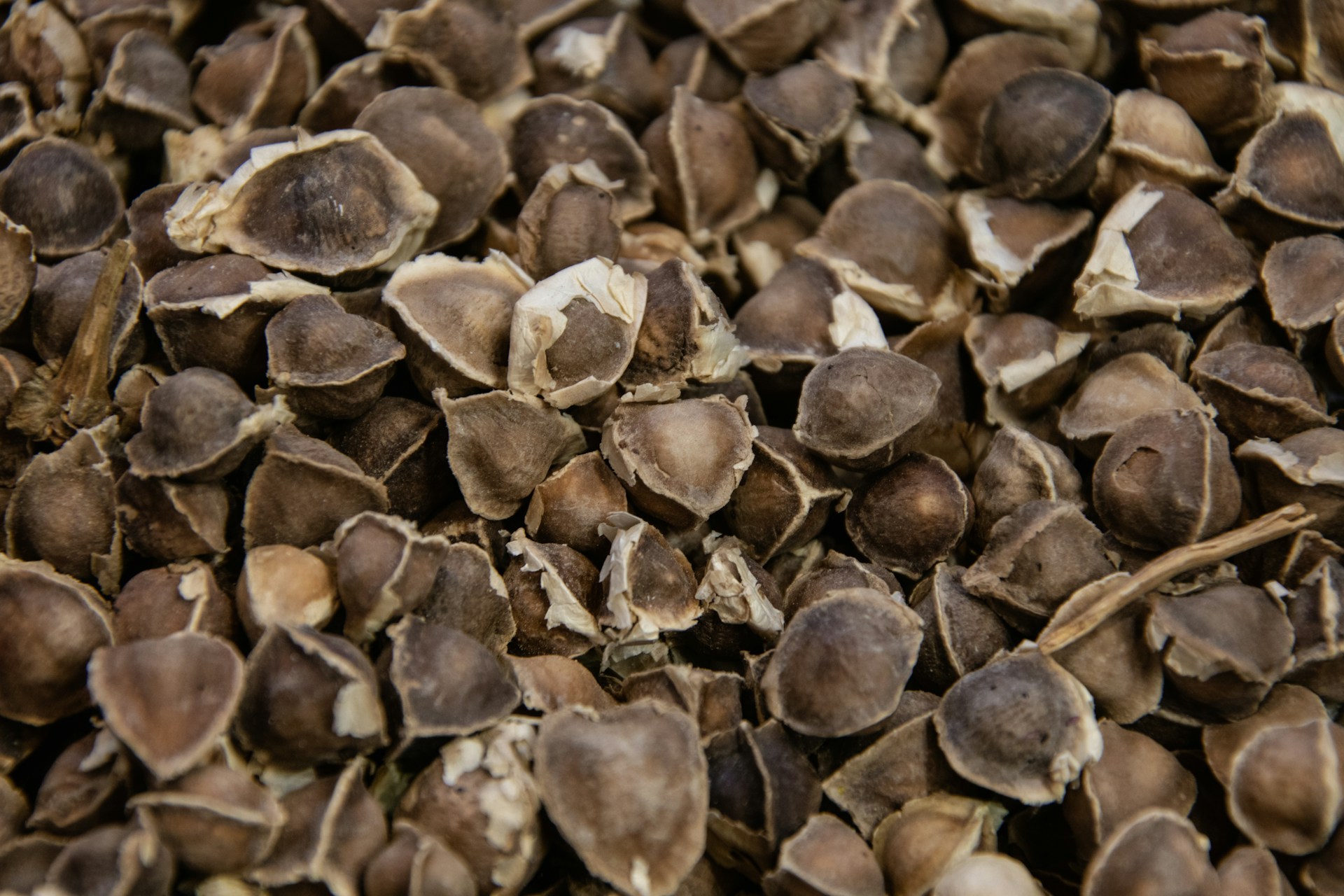
Now, a new study suggests that a natural alternative may be closer than expected. Researchers have found that seeds from Moringa oleifera, a plant widely grown in India and other tropical regions, can effectively remove microplastics from water. The study, published in the journal ACS Omega, explores how extracts from these moringa seeds can act as a natural coagulant, helping microplastic particles clump together so they can be filtered out.
The findings have sparked interest globally, especially in low-resource settings where access to advanced water treatment infrastructure is limited. But how strong is the science behind this claim? And can moringa seeds really offer a practical solution to a growing environmental and health crisis?
How Moringa Seeds Remove Microplastics
The study found that moringa seed extracts contain positively charged proteins that interact with negatively charged microplastic particles in water. This process, known as coagulation, causes the tiny plastic fragments to clump together into larger particles, making them easier to remove through filtration.
This mechanism is similar to how conventional water treatment chemicals like aluminum sulfate (alum) work. However, unlike synthetic chemicals, moringa is biodegradable and widely available in many parts of the world.
Also Read: Low Iron Levels? A Teaspoon Of Moringa Can Help Manage Anemia And Fatigue, Says Nutritionist
Comparable To Chemical Treatments
One of the most significant findings of the study is that moringa seed extract performed similarly to standard chemical coagulants. In some conditions, particularly in more alkaline water, it even outperformed them.
Laboratory experiments using water contaminated with polyvinyl chloride (PVC) microplastics showed high removal efficiency when moringa extract was used alongside filtration techniques. The study suggests that this plant-based solution could match industrial water treatment methods in effectiveness, at least under controlled conditions.
Why Microplastics Are A Concern
Microplastics have emerged as a global public health concern. These particles have been detected in rivers, groundwater, bottled water, and even human tissues. Research suggests they may carry toxic chemicals, contribute to inflammation, and potentially disrupt hormonal systems.
Conventional water treatment processes remove only a portion of these particles, and there is currently no standardised global method for eliminating them completely. This makes the search for more effective and safer alternatives critical.
A Sustainable, Low-Cost Solution?
Moringa trees are native to India and thrive in tropical climates, making them an accessible resource in many developing regions. The seeds have long been used in traditional water purification practices due to their natural coagulating properties.
According to the study, moringa-based treatment could be particularly useful for small communities and rural areas, where access to expensive chemical treatments or advanced filtration systems is limited. Additionally, the method may reduce reliance on chemical coagulants, which have raised concerns over residual toxicity and environmental impact.
Limitations And What Experts Say
Despite promising results, researchers caution that the findings are based on laboratory-scale experiments. Real-world water systems are far more complex, containing a mixture of contaminants, varying pH levels, and fluctuating environmental conditions.
Another limitation noted in the study is that moringa seed extract can increase organic matter in treated water, which may require additional purification steps. Experts also emphasise that while plant-based coagulants are promising, more large-scale studies and field trials are needed before they can be widely adopted in municipal water systems.
Also Read: Did You Know? You Might Be Eating Around 5 Grams Of Microplastics Every Week
The Bigger Picture: Nature-Based Water Solutions
The study adds to a growing body of research exploring nature-based solutions for water purification. Previous studies have shown that plant-derived coagulants like moringa can achieve microplastic removal efficiencies comparable to synthetic chemicals, reinforcing their potential as sustainable alternatives.
As global plastic pollution continues to rise, integrating such eco-friendly technologies into water treatment systems could play a crucial role in safeguarding public health. The claim that moringa seeds can clean microplastics from drinking water is supported by emerging scientific evidence, but with important caveats. Laboratory studies suggest that moringa seed extracts can effectively remove microplastics by mimicking the action of conventional chemical coagulants, sometimes even outperforming them.
However, the research is still in its early stages, and real-world application will require further validation. For now, moringa seeds represent a promising, low-cost, and sustainable approach that could complement existing water treatment methods, especially in resource-limited settings.
Disclaimer: This content, including advice, provides generic information only. It is in no way a substitute for a qualified medical opinion. Always consult a specialist or your own doctor for more information. NDTV does not claim responsibility for this information.