

)
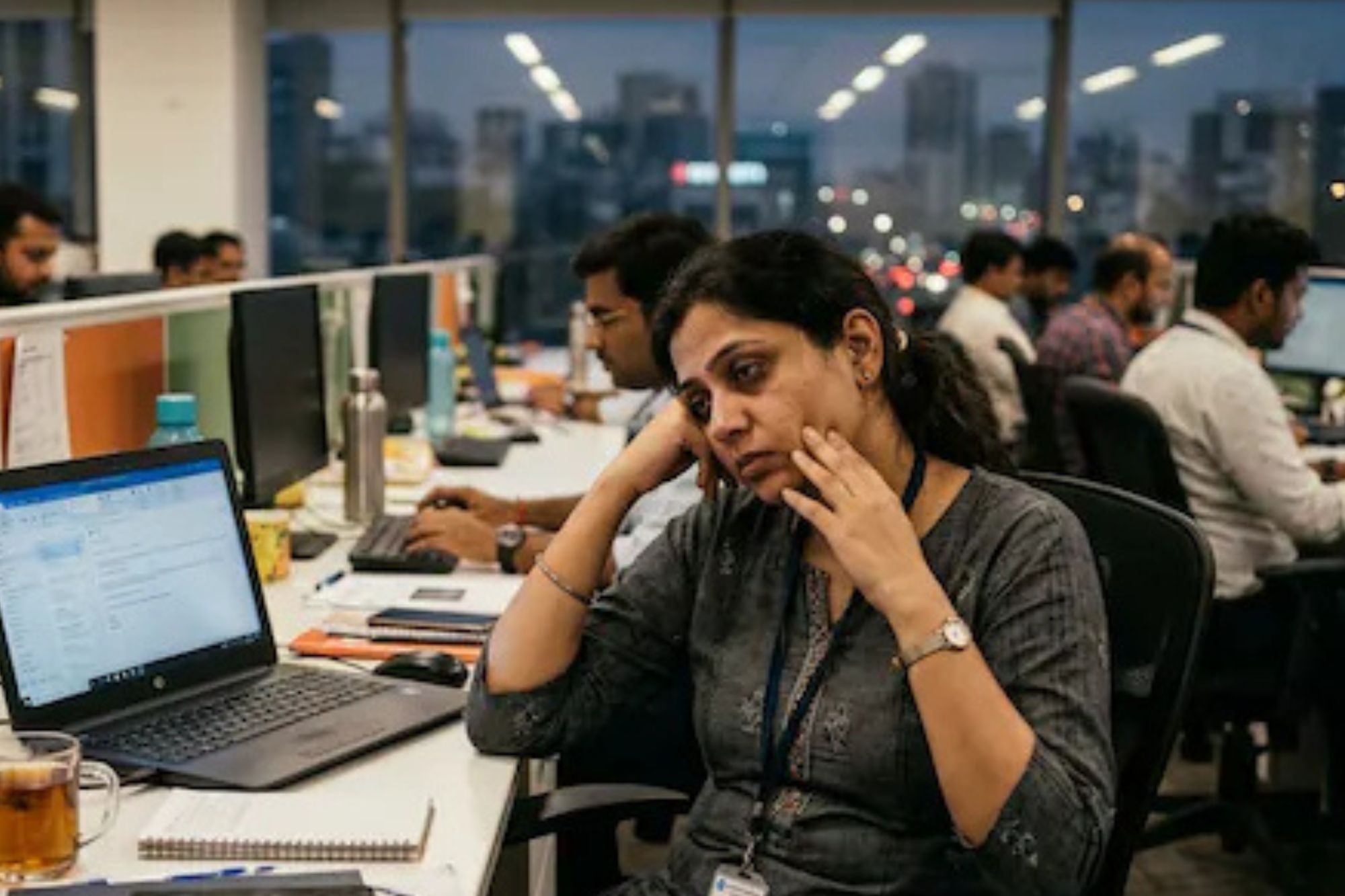
Feeling tired after a long day at work, a busy schedule, or a sleepless night is something that most people experience. In most cases, a good night's sleep, proper meals, and some rest are enough to restore energy. However, when fatigue continues for weeks, keeps coming back, or starts affecting daily activities, you shouldn't dismiss it as a normal part of life. Persistent fatigue is often the body's way of telling you that something needs attention.
According to Dr Javed Shah, MD Physician, Ruby Hall Clinic Hinjawadi, ongoing tiredness can sometimes point to an underlying health problem rather than simple exhaustion. Ignoring this warning sign may delay the diagnosis of medical conditions that are easier to treat when detected early. Paying attention to long-lasting fatigue and seeking medical advice when needed can help prevent complications and improve overall health and quality of life.
Sign Of An Underlying Health Problem
Persistent fatigue is not a disease on its own. Instead, it is a symptom that can be linked to several medical conditions. These include anaemia, thyroid disorders, diabetes, vitamin B12 or vitamin D deficiencies, chronic infections, heart disease, kidney or liver problems, and sleep apnea. In some cases, ongoing tiredness may even be an early sign of certain cancers.
Mental health also plays a major role. Depression, anxiety, and chronic stress often show up as constant tiredness before other symptoms become noticeable. Ignoring fatigue may allow these conditions to worsen over time, making treatment more difficult and recovery slower.
How Ignoring Fatigue Can Affect Daily Life
Pushing yourself to continue without finding the reason behind constant fatigue can have a significant impact on everyday life. Low energy levels often reduce concentration, memory, and decision-making ability. This can lead to mistakes at work, poor academic performance, and an increased risk of road accidents or workplace injuries.
Long-term fatigue can also affect physical health. People may find it difficult to exercise, complete routine tasks, or stay productive throughout the day. Constant exhaustion can lead to mood changes, irritability, frustration, and reduced motivation. Over time, these problems can affect relationships, work performance, and overall well-being.
Weak Immune System And Poor Recovery
Ignoring ongoing fatigue can also weaken the body's natural defence system. When the body does not get enough rest or is dealing with an untreated medical condition, the immune system may not function properly. As a result, a person may become more vulnerable to frequent infections and may take longer to recover from illnesses.
Fatigue can also reduce the body's ability to cope with physical and emotional stress. This creates a cycle where poor health leads to more tiredness, making it even harder to recover without proper medical care.
Warning Signs That Need Immediate Medical Attention
While fatigue is often linked to common health problems, there are situations where it may signal a medical emergency. Severe tiredness should never be ignored if it occurs along with chest pain, shortness of breath, sudden weakness, confusion, fainting, unexplained weight loss, persistent fever, or blood in the stool.
These symptoms may indicate serious conditions that require urgent medical evaluation. Seeking prompt treatment can improve outcomes and prevent potentially life-threatening complications.
When Should You See A Doctor?
If fatigue continues for more than two weeks despite getting enough rest, eating well, and staying hydrated, it is important to consult a doctor. A doctor will usually take a detailed medical history, perform a physical examination, and may recommend blood tests or other investigations to identify the underlying cause.
Early diagnosis allows treatment to begin before complications develop. Whether the cause is a vitamin deficiency, hormonal imbalance, chronic illness, or mental health condition, proper treatment can help restore energy levels and improve quality of life.
Healthy Ways To Manage Fatigue
Instead of relying on excessive caffeine or energy drinks to stay alert, focus on healthy habits that support long-term energy. Getting seven to nine hours of quality sleep, eating a balanced diet, drinking enough water, staying physically active, and managing stress can all help reduce fatigue. It is equally important to maintain regular health check-ups, especially if tiredness keeps returning.
"Most importantly, listen to your body. Persistent fatigue is a symptom, not a normal part of life, and addressing it early can prevent more serious health complications," said Dr Shah. Identifying the cause early and receiving the right treatment can prevent more serious health problems, improve daily functioning, and help you enjoy a healthier, more active life.
Disclaimer: This content including advice provides generic information only. It is in no way a substitute for a qualified medical opinion. Always consult a specialist or your own doctor for more information. NDTV does not claim responsibility for this information.