

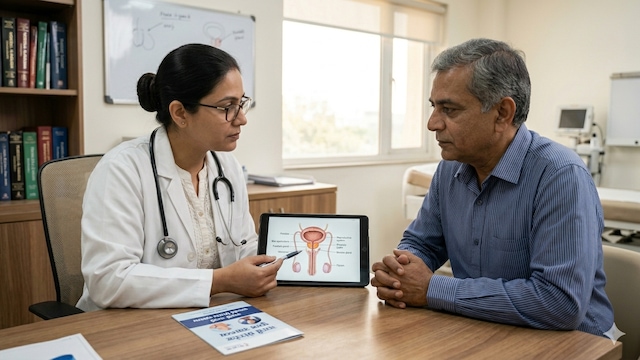
Prostate health is an important but often overlooked aspect of men's wellbeing, particularly as they age. The prostate, a small gland located below the bladder, plays a vital role in the male reproductive system. However, it is also susceptible to several conditions, including benign prostatic hyperplasia (BPH), prostatitis, and prostate cancer. These disorders become increasingly common after the age of 50 and can significantly affect urinary function, quality of life, and overall health if left untreated. One of the biggest challenges with prostate disease is that symptoms are often ignored or attributed to normal ageing. Many men delay seeking medical advice despite experiencing urinary difficulties, while some serious conditions, including early-stage prostate cancer, may develop without causing any symptoms at all. This makes awareness, regular health check-ups, and timely screening essential for early detection and better treatment outcomes. Experts emphasise that understanding the warning signs of prostate problems and discussing screening options with a healthcare provider can help reduce the burden of prostate disease and improve long-term health outcomes.
Common Prostate Conditions Affecting Men
"Several prostate-related conditions can affect men as they grow older. Benign Prostatic Hyperplasia (BPH), or enlargement of the prostate gland, is one of the most common. While it is not cancerous, it can interfere with normal urinary function and significantly impact daily life," says Dr. Varshney, Director, Urology, Fortis Noida. Prostatitis, which refers to inflammation or infection of the prostate, can affect men of different age groups and may cause pelvic pain, urinary symptoms, and discomfort.
Also read: Can Low Testosterone Results Predict High Grade Prostate Cancer? Doctors Say Yes
Prostate cancer remains one of the most frequently diagnosed cancers among men worldwide. While many cases grow slowly, some can be aggressive and require prompt treatment. Early detection plays a critical role in improving outcomes.
Early Signs You Should Not Ignore
According to Dr. Varshney, early symptoms of prostate problems are often linked to changes in urinary function. Men may notice an increased frequency of urination, particularly during the night. Some experience a sudden urge to urinate, difficulty starting urination, a weak urinary stream, or the need to strain while passing urine. Others may feel that their bladder is not emptying completely even after urinating. Certain symptoms require immediate medical attention. Blood in the urine, painful urination, unexplained weight loss, or persistent bone pain could indicate a more serious underlying condition and should never be ignored.
Importantly, many cases of early-stage prostate cancer cause no noticeable symptoms, which is why routine screening discussions become increasingly important with age.
Why Prostate Screening Matters
"Because prostate cancer can remain silent in its early stages, screening offers an opportunity to identify disease before symptoms appear. The primary screening tool is the Prostate-Specific Antigen (PSA) blood test, which measures the level of PSA produced by the prostate gland. Elevated PSA levels may indicate prostate enlargement, inflammation, infection, or prostate cancer and often require further evaluation," says Dr Varshney. "A Digital Rectal Examination (DRE) may also be recommended. During this examination, a healthcare provider assesses the size, shape, and texture of the prostate to identify any abnormalities," he adds.
Dr Varsney recommends that men aged 50 years and above discuss prostate cancer screening with their doctor. Those with a strong family history of prostate cancer or other risk factors may benefit from beginning these conversations earlier, around the age of 45.
Advances In Diagnosis
Significant advances in medical technology have improved the accuracy of prostate disease diagnosis. Multiparametric MRI has become an important tool for identifying suspicious areas within the prostate and helping guide further investigations. Targeted prostate biopsy techniques allow doctors to obtain tissue samples more precisely, improving cancer detection rates while reducing unnecessary procedures. Advanced imaging technologies also help determine the extent of disease and support treatment planning.
Also read: How To Keep Your Prostate Healthy: 6 Tips From Wellness Guru
Treatment Options Continue To Improve
Treatment depends on the specific diagnosis, severity of symptoms, and stage of disease. For benign prostate enlargement, medications often provide effective symptom relief. Minimally invasive procedures may be recommended for patients who do not respond adequately to medication. In cases of localised prostate cancer, options may include active surveillance, surgery, or radiation therapy. Active surveillance may be appropriate for selected patients with low-risk disease, allowing careful monitoring without immediate intervention. For advanced prostate cancer, treatment options now include hormonal therapy, chemotherapy, targeted therapies, immunotherapy, and precision medicine approaches that help improve outcomes and quality of life.
The Importance Of Early Action
One of the most important messages for men is not to dismiss urinary symptoms as a normal part of ageing. Early evaluation can help identify treatable conditions before complications develop. Even in the absence of symptoms, discussing prostate health during routine health check-ups can support timely screening and early detection of serious diseases. Prostate diseases are common, particularly after the age of 50, but many can be effectively managed when detected early. Symptoms such as frequent urination, weak urine flow, urgency, or difficulty urinating should never be ignored. At the same time, men should remember that prostate cancer may not always cause warning signs in its early stages. Regular screening discussions, awareness of symptoms, and timely medical consultation remain the most effective strategies for protecting prostate health and preserving quality of life.
Disclaimer: This content including advice provides generic information only. It is in no way a substitute for a qualified medical opinion. Always consult a specialist or your own doctor for more information. NDTV does not claim responsibility for this information.