

)
The Mediterranean diet is widely considered one of the healthiest eating patterns globally. It emphasises whole, plant-based foods, healthy fats, and a balanced lifestyle rather than strict restriction. Following the Mediterranean diet does not involve calorie restrictions, but general guidelines that help you incorporate its principles into your daily routine. Studies indicate that following this diet helps lower the risk of many chronic conditions like heart disease, diabetes, obesity and more.
Here's why the Mediterranean diet is considered the healthiest
- The Mediterranean diet is rich in whole, unprocessed foods such as fruits, vegetables, whole grains, legumes, nuts, and seeds. These foods are packed with vitamins, minerals, fibre, and antioxidants that are essential for overall health.
- Healthy fats are incredibly crucial for your heart. Healthy fats, particularly olive oil, are a major source of monounsaturated fats. These have been associated with lower cholesterol levels.
- The diet emphasises lean proteins, such as fish and poultry, and limits red meat and processed foods, which are often high in unhealthy fats, sugars, and preservatives.
- Fatty fish like salmon, sardines, and mackerel, which are staples of the Mediterranean diet, are high in omega-3 fatty acids. These are essential for brain health, your heart and have anti-inflammatory properties.
- The Mediterranean diet promotes a balanced intake of food and encourages moderation. This approach helps prevent overeating and promotes a healthier relationship with food.
- Several studies have linked the Mediterranean diet to a reduced risk of heart disease, stroke, and other cardiovascular issues, often due to its emphasis on heart-healthy fats and anti-inflammatory foods.
- The diet also supports weight management due to its focus on whole foods and healthy fats, which keep you feeling full and satisfied.
How Indians can begin with the Mediterranean diet
Adapting the Mediterranean diet to an Indian lifestyle is highly effective because many traditional Indian staples like lentils, seasonal vegetables, and spices already align with its core principles.
1. Start with whole foods
Swap refined grains for local whole grains. Replace white rice and maida with millets (jowar, bajra, ragi), brown rice, or chakki atta (whole wheat).
2. Prioritise plant-based proteins
Use the wide variety of Indian legumes and pulses, such as dal (moong, masoor, toor), chole (chickpeas), and rajma (kidney beans), as your primary protein sources.
3. Choose healthy fats
While olive oil is the Mediterranean hallmark, you can use cold-pressed mustard, groundnut, or sesame (til) oils in moderation for similar heart-healthy benefits.
4. Boost vegetable intake
Aim for 7 to 10 servings of seasonal vegetables daily, focusing on variety in colour.
5. Incorporate nuts and seeds
Snack on small portions (about 8-10 grams or a handful) of walnuts, almonds, flax seeds, or pumpkin seeds instead of processed snacks like namkeen. These are excellent sources of healthy fats and can help you feel full between meals.
6. Use spices to reduce salt intake
Leverage Indian spices like turmeric, cumin, coriander, and ginger to flavor your food, which naturally reduces the need for added salt and artificial seasonings.
7. Stay active
The Mediterranean lifestyle emphasises physical activity, so try to incorporate regular exercise into your routine, whether through walking, cycling, or yoga.
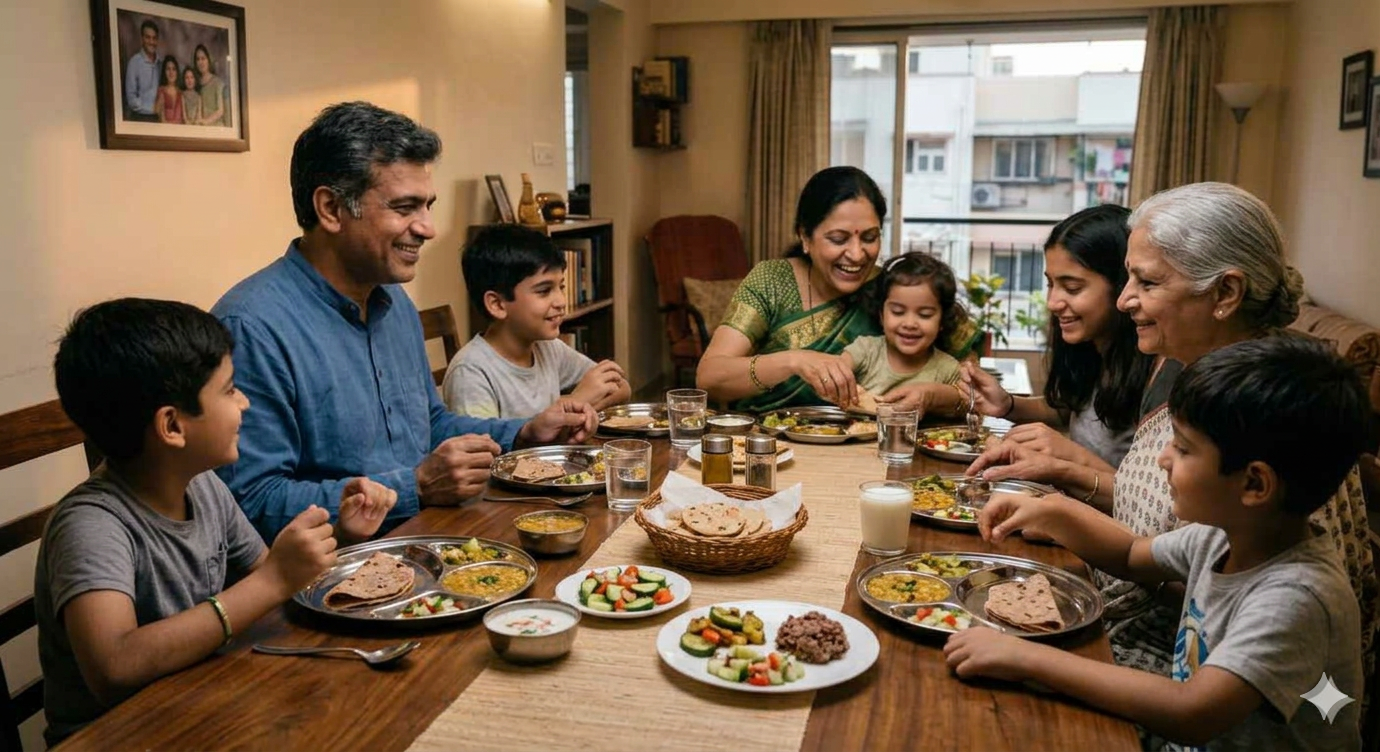
Remember, the Mediterranean lifestyle is as much about how you eat as what you eat. Practice mindful eating by having unhurried meals, listening to hunger cues, and sharing food with family whenever possible.
Disclaimer: This content including advice provides generic information only. It is in no way a substitute for a qualified medical opinion. Always consult a specialist or your own doctor for more information. NDTV does not claim responsibility for this information.