

)
Incidents of dog bites have significantly increased during the past few years. A dog bite can be dangerous for several reasons, primarily due to the potential for infection and the risk of transmitting diseases. Beyond physical injury, dog bites can lead to severe, potentially fatal illnesses, including rabies, sepsis, and meningitis, especially when left untreated. Rabies is one of the most serious complications from a dog bite.
Rabies is a viral disease caused by the rabies virus, which primarily affects mammals, including humans. It is usually transmitted through the saliva of an infected animal via bites or scratches. Once contracted, the virus travels through the nervous system and can be lethal if not treated promptly. Symptoms of rabies typically manifest after a long incubation period and may include fever, confusion, agitation, hallucinations, and paralysis. As soon as it reaches the brain, clinical symptoms appear, and the disease becomes 100% fatal, making early intervention crucial.
When should you get the vaccine?
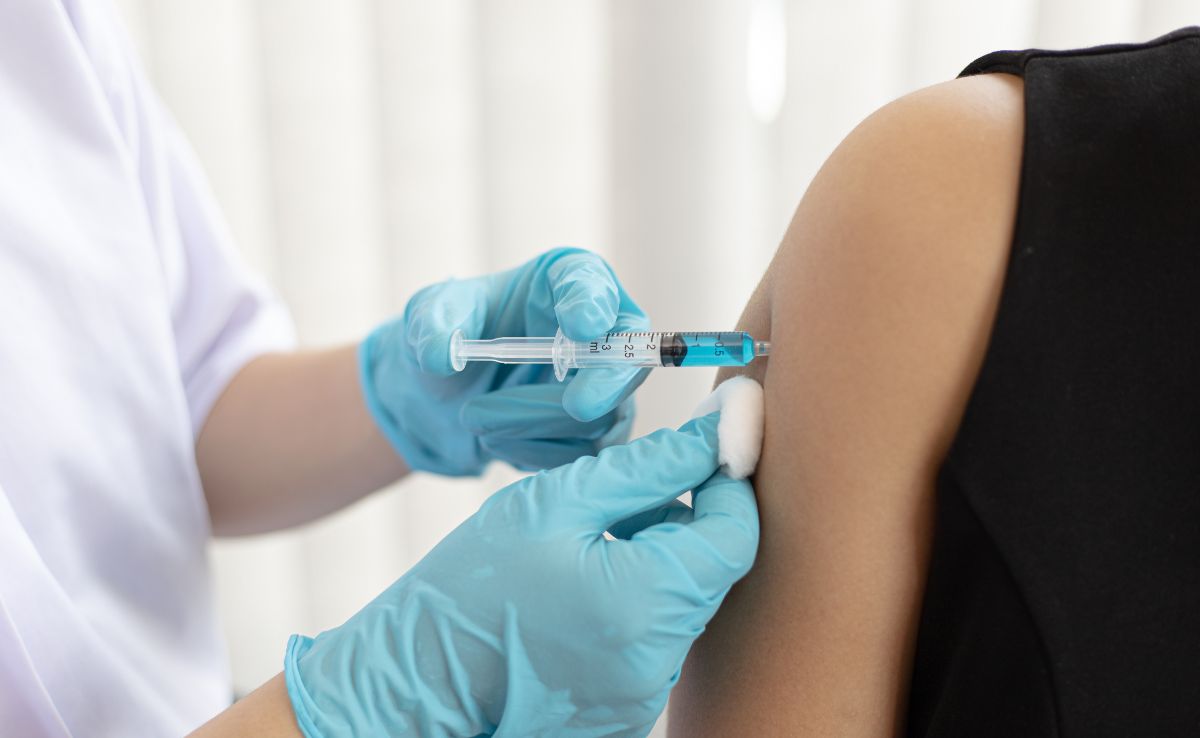
The rabies vaccine should be administered immediately, ideally within 24 hours of the bite. There is a common misconception that you can wait days for symptoms to appear; however, the vaccine only works during the incubation period before the virus reaches the brain. Once symptoms start, the vaccine is no longer effective.
Anti-Rabies Vaccine (ARV): Administered in a series of 5 doses (Day 0, 3, 7, 14, and 28). The quicker the vaccine is received, the better the chances of preventing the virus from taking hold.
Additional medical interventions include:
- Rabies Immunoglobulin (RIG): For single or multiple bites with bleeding or licks on broken skin, RIG is injected directly into and around the wound to provide immediate protection before the vaccine starts working.
- Tetanus Toxoid: A booster is required if your last shot was more than 5 years ago.
- Antibiotics: Doctors often prescribe amoxicillin-clavulanate to prevent bacterial infections like cellulitis.
Immediate first aid steps for a dog bite include:
If you or someone else is bitten or scratched by a dog, perform these first aid steps immediately:
-
Wash the wound aggressively under running water
Immediately wash the bite area with soap and running water for at least 5-10 minutes. Do not scrub. This is the most crucial step, as mechanical washing physically eliminates a massive portion of the virus from the site.
-
Apply an antiseptic
After thoroughly drying the wound, apply an iodine-based antiseptic like Povidone-iodine or antiviral ointment to kill any remaining viral particles.
-
Control bleeding
If the bite is bleeding, apply gentle pressure with a clean cloth or bandage. If the bleeding doesn't stop after several minutes, seek medical attention.
-
Do not cover or suture tightly
Avoid tightly bandaging or getting stitches on the wound unless necessary to stop severe bleeding. Leaving it open helps prevent sealing the virus deep inside the tissue.
-
Rush to a doctor
Go straight to a clinic or hospital for Post-Exposure Prophylaxis (PEP). Depending on the severity of the bite, a doctor will administer the first dose of the rabies vaccine and potentially Rabies Immunoglobulin (RIG), which provides immediate antibodies directly around the wound.
Things to keep in mind
- Address the situation calmly to avoid panic for yourself and others.
- Follow your doctor's recommendations for further treatment and do not discontinue unless prescribed.
- Do not touch the wound with your bare hands.
- Never delay the first dose of the vaccine.
Remember to monitor the wound for signs of infection, such as increasing redness, swelling, or pus, and seek medical attention if any concerning symptoms develop.
Disclaimer: This content including advice provides generic information only. It is in no way a substitute for a qualified medical opinion. Always consult a specialist or your own doctor for more information. NDTV does not claim responsibility for this information.