

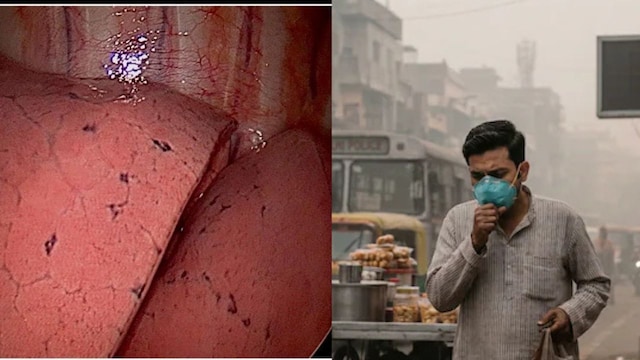
With air pollution becoming a recurring concern in Delhi-NCR, respiratory health is increasingly under the spotlight. From persistent coughing and throat irritation to breathlessness, the effects of poor air quality are often discussed through symptoms that people can recognise. However, there may be another concern developing silently: damage to the lungs without any obvious warning signs. The term 'pink lung' is often used to describe healthy lungs, referring to their naturally pinkish appearance because of their blood supply and normal tissue structure. But does having pink lungs necessarily mean they are healthy? And can prolonged exposure to polluted air affect the lungs even before a person starts experiencing respiratory symptoms? According to Dr Arjun Khanna, Head of the Department of Pulmonology at Amrita Hospital, Faridabad, the colour of lung tissue is not a reliable indicator of respiratory health. More importantly, the absence of symptoms should not be mistaken for the absence of lung damage.
What Is A Pink Lung?
The term 'pink lung' generally refers to a healthy lung, which has a naturally pink appearance because of its blood supply and relatively normal tissue structure. However, it is important to understand that pink lung is not a recognised medical diagnosis or a clinical measure of lung health. A person's lungs cannot be declared healthy simply by looking at their colour. Their ability to take in oxygen, exchange gases and maintain normal breathing function is far more important. This distinction becomes particularly relevant in cities such as Delhi-NCR, where prolonged exposure to polluted air can affect respiratory health without necessarily producing immediate symptoms.
How Does Air Pollution Damage The Lungs?
One of the biggest concerns associated with air pollution is prolonged exposure to fine particulate matter, particularly PM2.5. These tiny particles can travel deep into the respiratory system and reach the alveoli, the small air sacs in the lungs where oxygen and carbon dioxide are exchanged.
According to Dr Khanna, repeated exposure to these pollutants can trigger chronic inflammation, damage delicate lung tissues and gradually affect breathing capacity. Unlike some respiratory conditions that produce noticeable symptoms early on, pollution-related damage may develop gradually. The lungs are repeatedly exposed to harmful particles, potentially affecting their normal functioning over time. This is why breathing polluted air every day should not be dismissed as a temporary inconvenience, particularly when exposure continues over months or years.
READ | Should You Go For Your Morning Walk When The AQI Is 'Severe'? What Experts Say
Why Is It Difficult To Identify Lung Damage In Delhi-NCR?
One of the most concerning aspects of pollution-related lung damage is that it may not produce obvious symptoms in its early stages. A person living in Delhi-NCR may continue with their daily routine without experiencing persistent coughing, wheezing or breathlessness. However, the absence of these symptoms does not necessarily mean that their lungs are functioning normally.
Dr Khanna explains that people can be repeatedly exposed to harmful pollutants even when they do not experience any noticeable respiratory discomfort. Even a normal chest X-ray cannot reliably rule out early lung injury. This is because certain changes in lung function may not be visible through routine imaging, particularly during the initial stages. So, relying only on symptoms or a chest X-ray to assess respiratory health can provide an incomplete picture.
Can You Have Healthy-Looking Lungs But Reduced Lung Function?
The appearance of lung tissue and its ability to function properly are not necessarily the same thing. A person may not experience obvious respiratory symptoms, yet their lung function could be affected. This is why doctors may recommend lung function tests, along with a clinical evaluation, depending on an individual's symptoms, medical history and pollution exposure.
Pulmonary function tests, including spirometry, help assess how much air a person can breathe in and out and how quickly they can exhale. These measurements can help doctors identify airflow limitations and evaluate respiratory function. However, not everyone exposed to pollution needs routine testing. The decision should be based on individual risk factors and a doctor's assessment.
How Can You Assess Your Lung Health?
According to Dr Khanna, assessing lung health requires looking beyond the absence of symptoms or the appearance of lung tissue. A proper evaluation may involve:
- Lung function tests: These help assess breathing capacity and identify possible airflow limitations.
- Clinical evaluation: A doctor can assess respiratory symptoms, medical history and other relevant risk factors.
- Pollution exposure history: The duration and intensity of exposure to harmful pollutants can help doctors understand an individual's respiratory risk.
People experiencing persistent coughing, wheezing, breathlessness, chest tightness or a noticeable decline in exercise tolerance should seek medical evaluation rather than dismissing these symptoms as routine effects of changing air quality.
The Bigger Concern Is Losing Lung Function Without Realising It
The conversation around healthy lungs should move beyond whether they retain their natural pink appearance. In a heavily polluted environment such as Delhi-NCR, the more important concern is whether the lungs can continue performing their essential functions effectively.
As Dr Khanna points out, the biggest danger is not necessarily that the lungs lose their pink colour, but that they may gradually lose their ability to function properly before a person even realises something is wrong. Ultimately, the absence of coughing or breathlessness is not a guarantee of healthy lungs. Understanding pollution exposure, recognising persistent symptoms and seeking appropriate medical evaluation are important steps towards protecting respiratory health.
Disclaimer: This content including advice provides generic information only. It is in no way a substitute for a qualified medical opinion. Always consult a specialist or your own doctor for more information. NDTV does not claim responsibility for this information.