

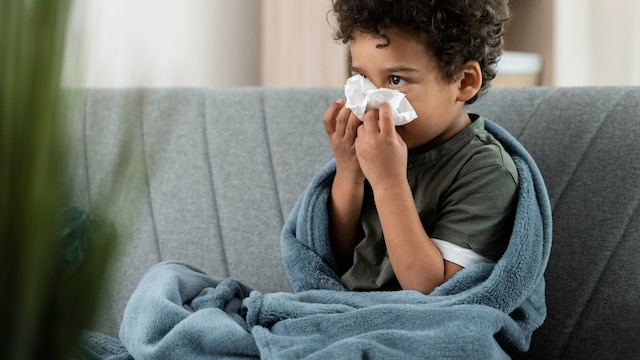
Delhi-NCR continues to reel under heavy pollution. As of 6 am, Delhi's overall Air Quality Index (AQI) stood at 311, which falls under the 'very poor' category. Several monitoring stations have also recorded readings close to the 400 mark. An AQI above 400 falls under the severe category, which can pose immediate risks to respiratory and cardiovascular health. Even brief exposure to high pollution levels can have both immediate and long-term effects on the body. PM2.5 particles are extremely small, allowing them to go past the nasal filtration system and settle deep within the lungs, eventually making their way into the bloodstream.
Elevated AQI levels can lead to immediate reactions, including coughing, wheezing, throat irritation, and difficulty breathing. Children, older adults, pregnant women, and people with pre-existing heart or lung conditions face the highest health risks from air pollution.
The Impact of AQI above 400 on children
"When the Air Quality Index (AQI) crosses 400, children become particularly vulnerable to the harmful effects of air pollution because their lungs and immune systems are still developing. Unlike adults, children breathe faster and inhale more air relative to their body weight, increasing their exposure to toxic pollutants. Fine particulate matter (PM2.5) can travel deep into the lungs, causing inflammation, irritating the airways and making breathing difficult," says Dr. Nikhil Rajvanshi, Consultant - Pediatric Pulmonologist, Allergy and Sleep Specialist at Rainbow Children's Hospital, Delhi.
Exposure to such severe pollution can trigger coughing, wheezing, throat irritation, breathlessness and asthma attacks. Children with existing respiratory conditions are at an even greater risk. "Repeated exposure can also interfere with normal lung development and increase susceptibility to respiratory infections."
"During such conditions, parents should minimise their children's exposure to outdoor air by keeping them indoors and postponing outdoor sports, cycling and playground activities. Keeping windows and doors closed during periods of severe pollution and using a HEPA air purifier can help reduce indoor particulate matter," Dr. Rajvanshi added.
"If children need to step outside, a properly fitted N95 mask, suitable for their age and face size, may offer additional protection, although masks should not be used for children below two years," he added.
Keep indoor safe
The expert recommended that parents should also avoid indoor sources of pollution, including incense sticks, mosquito coils, smoking and aerosol sprays, as these can further compromise indoor air quality. Most importantly, persistent coughing, wheezing, rapid breathing or chest tightness should not be dismissed as seasonal symptoms.
"If a child develops breathing difficulty, bluish lips or unusual lethargy, immediate medical attention is necessary."
"At an AQI above 400, reducing exposure is the most effective protective measure. Parents should monitor daily air quality updates and follow medical advice, particularly if their child has asthma or another respiratory condition," he concluded.
READ | Delhi AQI Crosses 400 In Several Areas: Practical Ways To Protect Yourself
Disclaimer: This content including advice provides generic information only. It is in no way a substitute for a qualified medical opinion. Always consult a specialist or your own doctor for more information. NDTV does not claim responsibility for this information.