

)
The UK has introduced a new rule that has banned trimethylbenzoyl diphenylphosphine oxide (TPO), a chemical used in some gel nail products. The change has been widely described as a "gel nail ban", however, gel manicures themselves have not been banned. New cosmetic products containing TPO can no longer be placed on the market in England, Scotland and Wales. Products already legally placed on the market can remain in circulation during the transition, with further restrictions taking effect in February 2027.
TPO is a photoinitiator, which means it helps gel products harden when exposed to UV or LED light. The ingredient has come under scrutiny because it has been classified as a reproductive toxicant. The European Union banned TPO in cosmetics from September 2025, and Great Britain has now followed with its own restrictions. However, experts stress that this does not mean a gel manicure will cause infertility. The concern is about the potential risks associated with exposure, particularly repeated or occupational exposure.
What Is TPO And Why Is It Used In Gel Nails?
TPO, or Trimethylbenzoyl Diphenylphosphine Oxide, is a chemical that helps gel nail products cure under UV or LED lamps. When the product is exposed to the appropriate light, TPO helps start the chemical reaction that turns the liquid gel into a hard coating.
According to Dr Ruchi Jain, Fertility Specialist, Nova IVF Fertility, Kolkata, the main issue is not simply whether TPO should be called a "toxic" cosmetic ingredient. It is a photoinitiator that is useful for curing gel-based systems, but regulators became concerned after evidence suggested possible effects on reproductive health.
The chemical name is sometimes reported differently, but the TPO discussed in the UK and EU regulations is Diphenyl(2,4,6-trimethylbenzoyl) phosphine oxide, also known by the cosmetic ingredient name Trimethylbenzoyl Diphenylphosphine Oxide.
Why Was TPO Linked To Fertility Concerns?
The major concern is TPO's classification as a Reproductive Toxicity Category 1B substance. This classification is based on evidence from experimental studies indicating that the chemical can affect reproductive function.
Dr Jain explains that reproductive toxicity studies have reported effects such as reduced sperm count, testicular degeneration and impaired reproductive function in males. In females, studies have indicated disruption of the reproductive cycle. The European Chemicals Agency's risk assessment records the classification of TPO as a reproductive toxicant and also identifies it as a skin sensitiser.
However, this classification should not be interpreted as proof that people who regularly get gel manicures will become infertile. Regulatory classifications are based on toxicological evidence and are designed to identify potential hazards and protect people from harmful exposure.
Does Getting Gel Nails Cause Infertility?
There is no evidence that an occasional gel manicure causes infertility in humans. This is an important distinction.Dr Jain points out that much of the evidence behind the reproductive-toxicity classification comes from controlled toxicological and animal studies.
The amount of TPO a customer may be exposed to during a properly performed manicure can be considerably lower than the exposures used in experimental studies. Therefore, the findings cannot simply be translated into a prediction that a person will develop fertility problems after having gel nails.
The concern may be more relevant for people who experience frequent and repeated exposure, especially nail technicians who handle gel products regularly as part of their work.
Nail Technicians May Face Higher Exposure
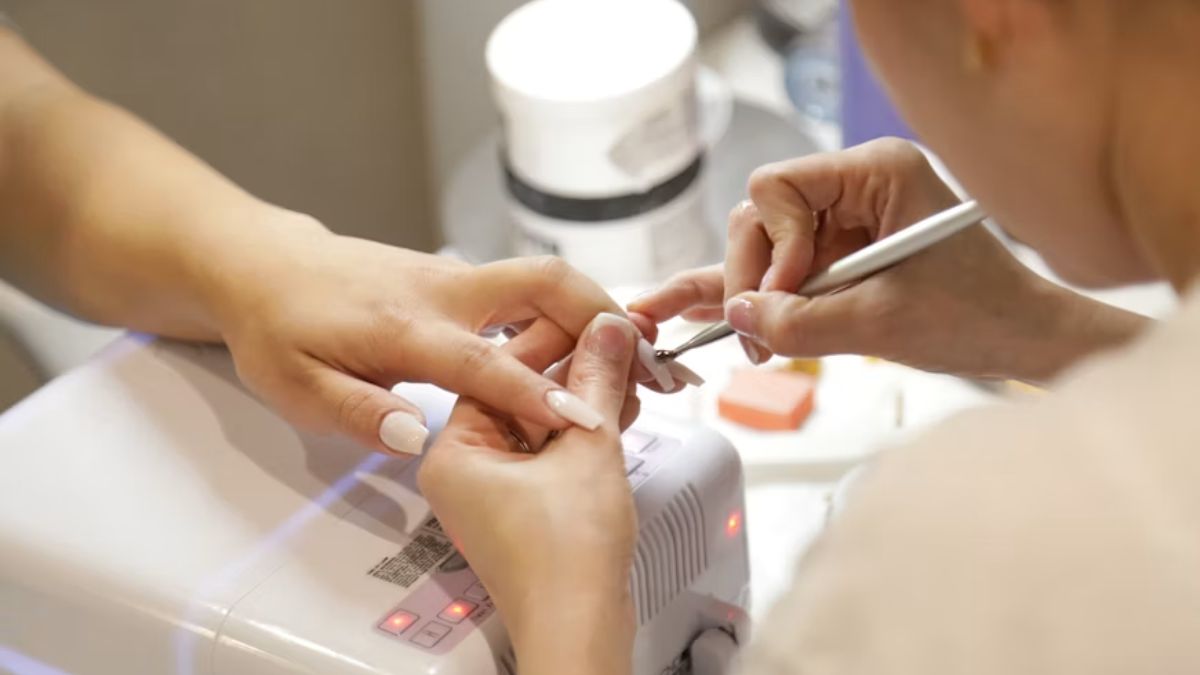
For professional nail technicians, exposure can happen repeatedly while applying, shaping or removing nail products. The risk depends on factors such as the products being used, ventilation, handling practices and whether the chemicals come into contact with the skin. This is one reason why safer formulations and appropriate workplace precautions are important.
The UK restrictions are therefore better understood as a chemical safety measure, rather than a declaration that every gel manicure is dangerous.
Gel Nails Have Another Health Concern: Allergies
TPO is not the only ingredient that deserves attention in gel nail systems. Many gel products contain acrylates and methacrylates, which can cause allergic contact dermatitis. Repeated exposure can sensitise some people to these chemicals. Once someone becomes sensitised, even relatively small exposures may trigger a reaction. Symptoms can include:
- Redness and itching around the nails
- Swelling or tenderness of the fingers
- Peeling or cracked skin
- Blisters or a rash
- Reactions spreading to the hands, face or neck
Dr Jain supports a precautionary approach in India. "Therefore, I would support India taking a precautionary approach rather than waiting for definitive evidence of harm in the Indian population. If a chemical has been classified internationally as a reproductive toxicant and safer alternatives are available, regulators should review its use in cosmetic products, particularly those involving repeated skin exposure," added Dr Jain.
Disclaimer: This content including advice provides generic information only. It is in no way a substitute for a qualified medical opinion. Always consult a specialist or your own doctor for more information. NDTV does not claim responsibility for this information.