

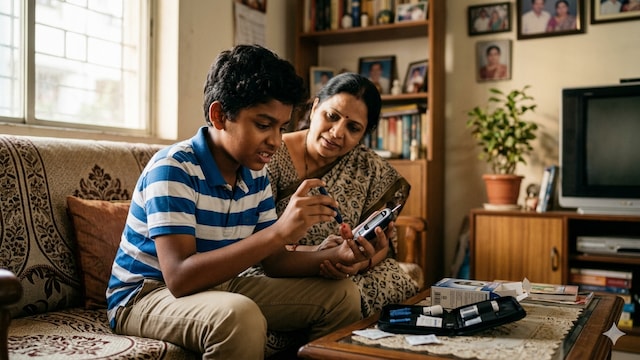
Your child asking you for another glass of water after playing outside in hot weather is perfectly fine. However, in accordance with doctors' views on this issue, persistent and excessive thirst can be regarded as one of the first indicators of diabetes development in your kid. Normally, early symptoms of diabetes can be either ignored by parents or misinterpreted as something usual in the behaviour of their children.
So how does diabetes affect kids?
Talking about different types of diabetes, Type 1 diabetes is quite widespread among kids. It is known that when you suffer from Type 1 diabetes, your body doesn't produce insulin anymore. Whereas numerous individuals are aware of the fact that the development of type 2 diabetes happens in older children and teenagers because of altered lifestyle, type 1 diabetes develops suddenly and at quite young age. Therefore, in case your kid lacks insulin, the level of glucose will rise in their blood.
In turn, the kidneys will start eliminating excess sugar from the body through urine. Consequently, a lot of fluids will leave the body, and a child will feel excessive thirst. As a result of increased activity of the kidneys because of excess sugar, frequent urination will become unavoidable after developing thirstiness. Parents can notice how their kids visit bathrooms constantly during the day and frequently wake up during the night to urinate. One more symptom that parents can identify in their children is bed-wetting that appears suddenly and unexpectedly after many months or even years when the children had stayed dry. Parents can notice unusual wetness in the diapers of infants and toddlers that need changing more often than usual. All of these symptoms can be considered to appear because of some urinary infection, excessive water consumption before sleeping or psychological problems.
Other Symptoms to Know
The other symptom of diabetes includes unexplained weight loss even though he/she eats all the time. This occurs since their body starts burning fat and muscle tissue instead of using up sugar due to lack of insulin. A child with this problem is always on a high alert for food but never gets enough satisfaction no matter how much they eat.
They may become tired and irritable often especially after eating their fill. So if you see these things happening then take them to an expert right away. It's important to understand the signs of childhood diabetes before seeing one. Ignoring some symptoms could turn out bad if it gets worst. For example, it is important that parents understand Diabetic ketoacidosis (DKA). Hyperglycemic mode (very high level of sugar content) in the blood leads to the breaking down of body fats, thereby producing acids called ketones in the bloodstream. You will observe the following in your child; breath that smells like acetone, abdominal pains and vomiting, heavy and rapid breathing, drowsiness, and confusion. This may seem like flu or infection which might lead to ignoring the symptoms until things get out of hand.
It is very vital that early detection of these minor signs should help prevent complications and ensure your child's safety. It only requires that a simple blood test be done on the child through finger stick or urinalysis done by a doctor in his office which takes just a few minutes to detect if it's diabetes. Parents don't have to be concerned every time the child shows any sign of thirstiness because it can be prevented if they are observant to excessive thirst with other symptoms such as frequent urination, bedwetting, weight loss, and unusual tiredness.
In addition to this, parents should also be aware that diabetes is not an outcome of consumption of many sweets or any fault of anyone in the case of Type 1 diabetes where the immune system mistakenly starts attacking the cells producing insulin. With the current advancements in insulin management, convenient use of blood glucose metering devices, proper nutrition and physical exercise, children suffering from diabetes can study in schools, play sports and enjoy other things like other kids do. It is also helpful to share the symptoms with the teachers and school nurses in order to add another level of security for the kids.
Disclaimer: The opinions expressed within this article are the personal opinions of the author. NDTV is not responsible for the accuracy, completeness, suitability, or validity of any information on this article. All information is provided on an as-is basis. The information, facts or opinions appearing in the article do not reflect the views of NDTV and NDTV does not assume any responsibility or liability for the same.