

)
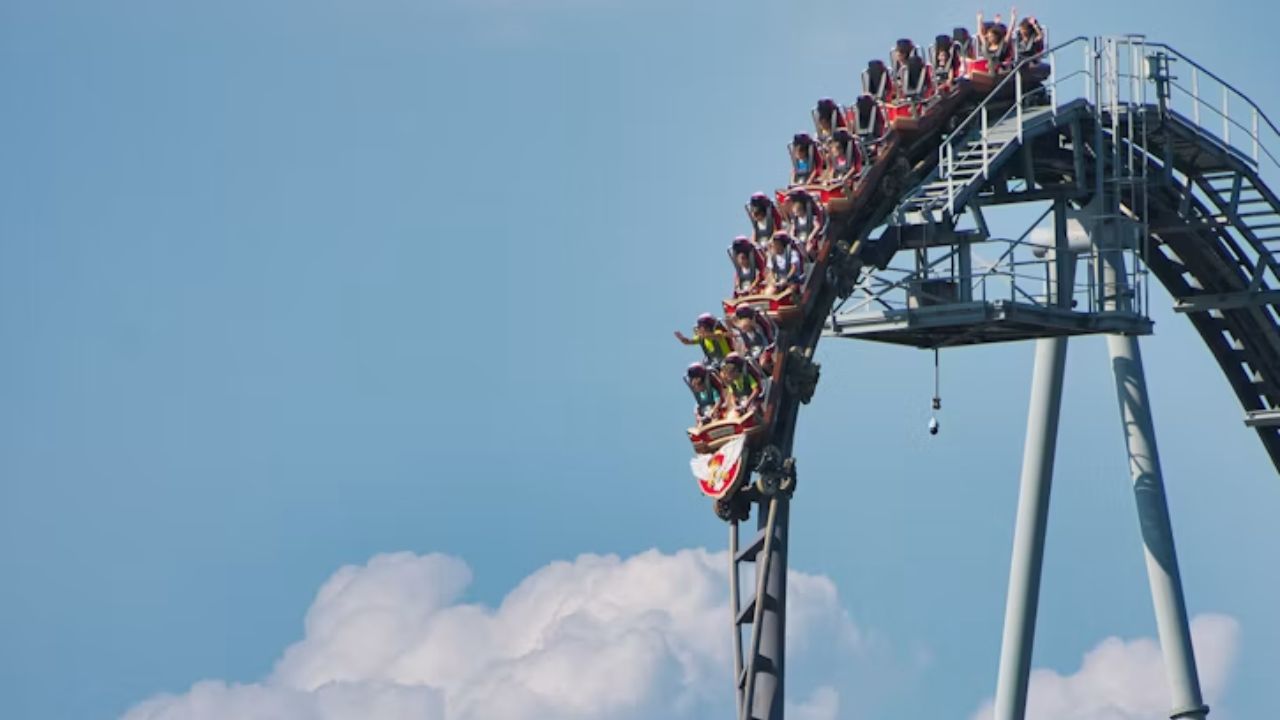
A California amusement park is facing multiple lawsuits after riders alleged that its high-speed X2 roller coaster caused serious brain injuries. Lawsuits have been filed against Six Flags Magic Mountain in Valencia, with attorneys representing the plaintiffs saying more than 100 other people have also reported possible brain injuries after riding the roller coaster. The X2 has been closed since July 12, following reports of serious incidents.
Among the cases are reports of brain haemorrhages requiring emergency surgery. One rider, Pamela Guillen, reportedly became confused and collapsed after getting off the ride and later underwent surgery for bleeding in the brain. Another rider, Naomi Greer-Wilkinson, was hospitalised after experiencing a serious brain injury following the ride.
How Can Roller Coasters Cause Injuries?
Roller coasters are designed to expose riders to rapid acceleration, deceleration, sharp turns and changes in direction. These movements can put stress on the head, neck and spine. Studies have found that neurological injuries linked to roller coasters are uncommon, but documented incidents include concussion, bleeding around the brain and injuries to blood vessels supplying the brain. Read on to know what causes roller coaster injuries.
1. Sudden acceleration and deceleration
A roller coaster can go from a slower speed to a high speed within seconds and then slow down rapidly. These changes can cause the head to move suddenly. The concern is not simply the amount of G-force. Research suggests that the acceleration of the head, particularly rotational movement, is more important when checking potential brain injury.
2. Rapid head movements
During sharp turns, drops and sudden changes in direction, the head may move forward, backward or sideways while the body is held in place by restraints. This can add strain on the neck and may cause the head to move rapidly relative to the body. Studies of roller-coaster injuries have reported neck and spinal injuries as well as head injuries.
3. Rotational forces
Some rides involve seats or cars that rotate while the coaster is moving. The X2, for example, has seats that rotate 360 degrees while the ride travels through drops, turns and other movements. Rotational movement is important because the brain can be affected by rapid changes in the direction and movement of the head. There are also documented rare cases of blood-vessel injuries after roller-coaster rides.
4. Brain bleeding
One of the most serious potential complications is bleeding inside or around the brain. This can happen when blood vessels are damaged. Medical reports have described cases of subdural haemorrhage and other forms of intracranial bleeding following roller-coaster rides. Such bleeding can increase pressure inside the skull and may require emergency treatment. Symptoms can include a severe headache, vomiting, confusion, drowsiness, weakness, difficulty speaking, loss of consciousness or seizures.
5. Neck and spine injuries
The sudden movements of a roller coaster can also affect the cervical spine. Research involving amusement-ride injuries has documented cervical disc injuries, including herniated discs, as well as other neck and back problems. Children and teenagers may also experience neck injuries. A recent analysis of reported neurological injuries among minors found that cervical-spine injuries made up the largest proportion of cases studied, while head injuries were also reported.
6. Blood-vessel injuries can be serious
In rare cases, sudden acceleration and deceleration may be linked to a tear in a blood vessel in the neck, known as an arterial dissection. If a blood clot forms and travels to the brain, it can potentially cause a stroke. Case reports have described carotid artery dissection and stroke following roller-coaster rides. However, such cases are considered unusual.
Who Should Be More Cautious?
People with certain medical conditions may need to ask their doctor before going on high-intensity rides. This may include people with known heart or blood-vessel problems, previous neurological conditions, certain neck or spine problems, or those who have recently undergone surgery.
Theme parks also have health and safety restrictions for individual rides, including warnings based on age, height and medical conditions. These instructions should be followed rather than ignored for the sake of experiencing a particular attraction.
However, if you have a headache, dizziness or nausea after a roller-coaster ride, don't assume it to be a normal reaction, especially, if symptoms are severe or persistent. Seek medical attention immediately after a ride if there is severe or worsening headache, repeated vomiting, confusion, fainting, seizures, weakness or numbness, difficulty speaking, vision problems, unusual sleepiness or loss of consciousness.
Disclaimer: This content including advice provides generic information only. It is in no way a substitute for a qualified medical opinion. Always consult a specialist or your own doctor for more information. NDTV does not claim responsibility for this information.