

)
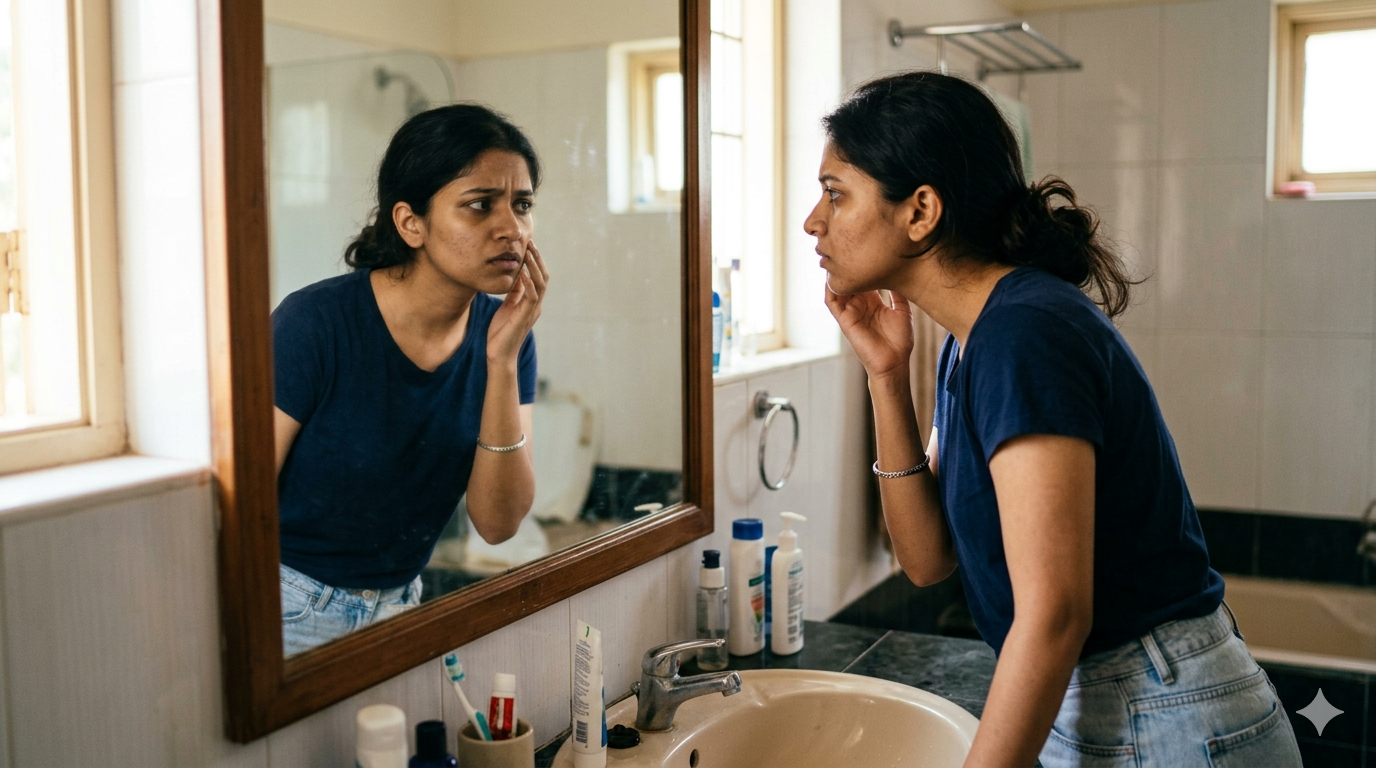
Good skin health is often associated with skincare products, hydration, and a healthy diet. However, one crucial factor that is often overlooked is sleep. The quality and duration of sleep can have a significant impact on the body's natural restoration processes, including those that support the skin. While sleep cannot replace skincare procedures or medical care, adequate rest allows the body to recover. As a result, consistently poor-quality sleep may become visible through dull, tired-looking skin and more noticeable dark circles around the eyes.
What Happens to Skin During Sleep?
Sleep plays an important role in the body's recovery and restoration processes. Several natural functions take place during the night while the body is at rest, supporting healing and regeneration. As the body's largest external organ, the skin is constantly exposed to environmental factors and therefore requires adequate time to recover.
The skin also follows its own circadian rhythm, a 24-hour biological cycle that influences several functions, including barrier activity, hydration, temperature regulation and cellular repair. These processes vary throughout the day and night and are closely connected to the body's internal biological clock. During the night, when the body is at rest, the skin enters an important period of recovery and renewal. Disruptions to normal sleep patterns can interfere with these processes and potentially affect the skin's ability to maintain its barrier and recover from daily environmental stressors.
During sleep, processes related to blood circulation, hormonal activity, and cellular repair take place. Disruptions to normal sleep patterns may interfere with these processes, potentially affecting the skin's overall appearance and condition.
How Poor Sleep Can Affect Skin Health
A single night of insufficient sleep may result in a tired appearance, but consistently inadequate sleep can have a more noticeable impact on skin health. Poor sleep may contribute to a dull-looking complexion, dehydration, puffiness around the eyes, and more visible dark circles.
Insufficient sleep can also influence the body's stress response. When stress levels remain elevated for prolonged periods, several aspects of the body's normal functioning may be affected, including processes associated with skin health. Over time, this may contribute to changes in the skin's appearance and its ability to maintain a healthy barrier.
Sleep, Skin Repair and Ageing
Several factors influence the skin's natural ability to repair and maintain itself. Age, diet, hydration, sun exposure, stress and lifestyle can all contribute to the skin's capacity to recover. Sleep is another important factor in this process.
The skin is exposed throughout the day to environmental stressors such as UV radiation, pollution and other sources of oxidative stress. Antioxidants such as Gallic Acid play an important role in helping the skin counteract free radicals generated by these stressors. During the night, as exposure to external stressors decreases, the skin can focus more on its natural recovery and repair processes. Supporting the skin with antioxidant protection during the day, alongside adequate sleep at night, can therefore form part of a broader approach to maintaining skin health.
Supporting Better Sleep for Healthier Skin
Improving sleep can be an important part of an overall approach to maintaining healthy skin. Maintaining a consistent sleep schedule, creating a comfortable and calming bedroom environment, and limiting screen exposure before bedtime can support better sleep habits.
Reducing excessive caffeine consumption and managing stress can also contribute to improved sleep quality. Alongside adequate hydration, balanced nutrition, sun protection, and an appropriate skincare routine, sufficient sleep can play an important role in supporting the skin's natural recovery processes.
The Bottom Line
Good skin is not determined by merely what one puts on it. Quality sleep is crucial to the body's ability to recover itself, and it may determine how well-rested and hydrated the skin will look. It is beneficial for the long-term health of one's skin to always ensure good sleep alongside other healthy living practices. For cases where poor sleep continues to impact one's life negatively, it is advisable to seek consultation from a health professional.
Disclaimer: The opinions expressed within this article are the personal opinions of the author. NDTV is not responsible for the accuracy, completeness, suitability, or validity of any information on this article. All information is provided on an as-is basis. The information, facts or opinions appearing in the article do not reflect the views of NDTV and NDTV does not assume any responsibility or liability for the same.