

)
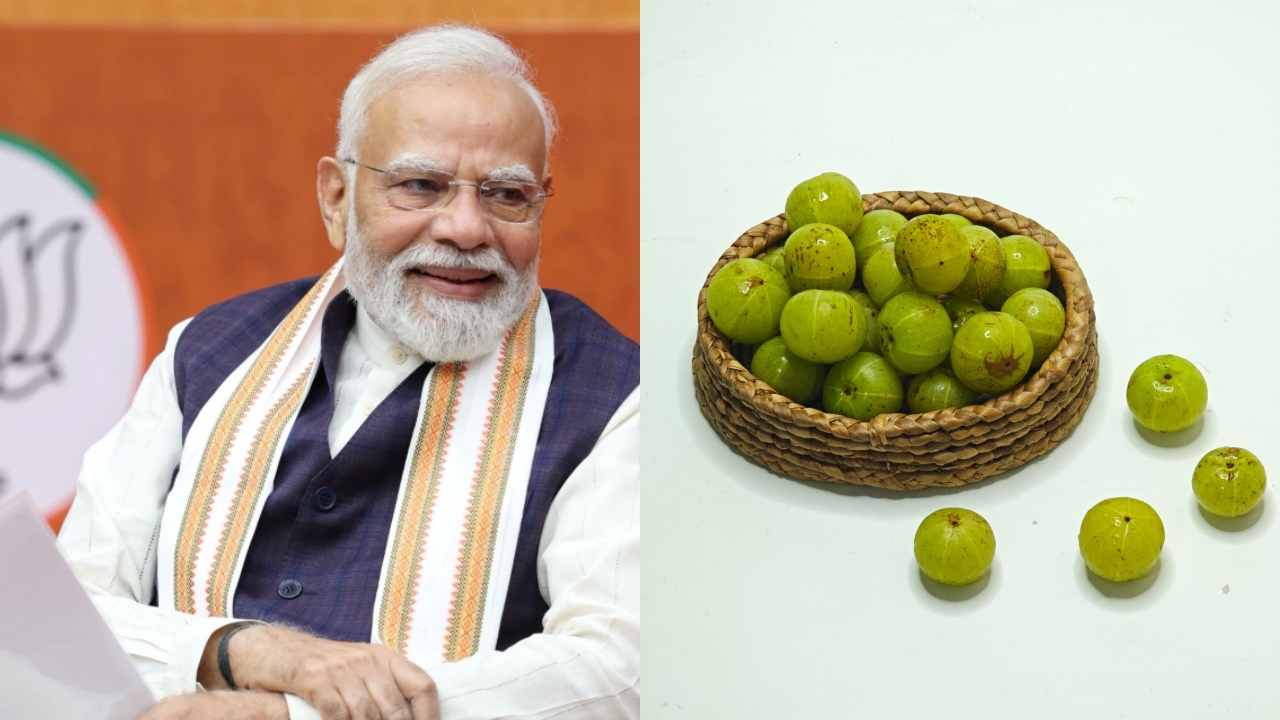
In the 138th episode of 'Mann Ki Baat,' Prime Minister Narendra Modi addressed the nation and spoke about amla. He noted that amla is commonly used in Indian households in the form of pickles, murabba, juice, and Chyawanprash. "Our ancestors have been discussing the benefits of amla for generations," he said. While highlighting how the traditional cultivation and processing of Amla is creating new economic opportunities for farmers and women in Uttar Pradesh's Pratapgarh, PM Modi calls amla "Mazedar Bhi, Healthy Bhi!"
Amla, also known as Indian gooseberry, is a potent nutritional powerhouse widely used in traditional Indian medicine and modern nutrition. It is known for its high vitamin C content and antioxidant properties. A single 100g serving of fresh amla delivers up to 600-700 mg of Vitamin C, which is roughly 20 times more Vitamin C than an orange.
Impressive health benefits of amla
1. Nutrient-rich profile
Amla is packed with vitamin C, which is crucial for a strong immune system. It also contains antioxidants, fibre, and various vitamins and minerals.
2. Boosts immunity
Its exceptionally high Vitamin C and antioxidant content enhances immune cell function, helping the body fight off infections like the common cold, cough, and flu.
3. Improves digestion
Rich in dietary fibre, amla stimulates digestive enzymes, prevents constipation, reduces bloating, and naturally cools the stomach to control acidity.
4. Enhances skin health
Its antioxidant properties help in skin rejuvenation, reducing signs of ageing and promoting a healthy glow.
5. Supports hair health
Amla prevents premature greying, strengthens hair follicles, and reduces dandruff.
6. Regulates blood sugar levels
Amla contains chromium, a mineral that helps make cells more responsive to insulin, supporting stable blood glucose levels for diabetics.
7. Supports heart health
Amla helps reduce bad cholesterol (LDL) and triglycerides, preventing plaque buildup in the arteries and promoting healthy blood circulation.
8. Boosts iron absorption
Eating amla alongside iron-rich plant foods like palak, rajma, or ragi significantly enhances iron absorption due to its high Vitamin C content.
Ways to add amla to your diet
- Fresh amla juice
Blend 2 chopped amlas with a cup of water, strain, and add a pinch of black pepper, ginger, or honey. Drink 20-30 ml diluted with warm water on an empty stomach in the morning.
- Amla chutney
Grind raw amla with fresh coriander, mint, green chillies, ginger, and a dash of black salt. Serve as a side dish with daily dal-chawal, paranthas, or khichdi.
- Amla shot or raw
You can consume fresh amla by eating it raw. It has a tart flavour, so some people might prefer to sprinkle a tiny bit of black salt and roasted cumin powder on top.
- Amla powder
Mix 1 teaspoon of organic amla powder into a glass of warm water or mix it into a bowl of curd. For an ideal bedtime routine, mix with warm water. It can also be added to a morning smoothie.
- Amla rice/dal
Grate fresh amla and mix into cooked rice or add to boiling dal. It is a perfect way to sneak amla into family lunches without a sharp sour taste.
- Amla murabba or candy
Grate or slice amla, steam it, and preserve it in honey or a light jaggery syrup. Enjoy 1 small piece a day as a sweet digestive aid after meals.
Incorporating amla into your daily routine can be a delicious and healthful choice. It not only adds nutritional value to your meals but also leverages various health benefits. While amla is highly beneficial, consuming it in excess can cause hyperacidity or digestive discomfort. Stick to 1 fresh fruit or 1 teaspoon of powder daily for optimal results.
Disclaimer: This content including advice provides generic information only. It is in no way a substitute for a qualified medical opinion. Always consult a specialist or your own doctor for more information. NDTV does not claim responsibility for this information.