

)
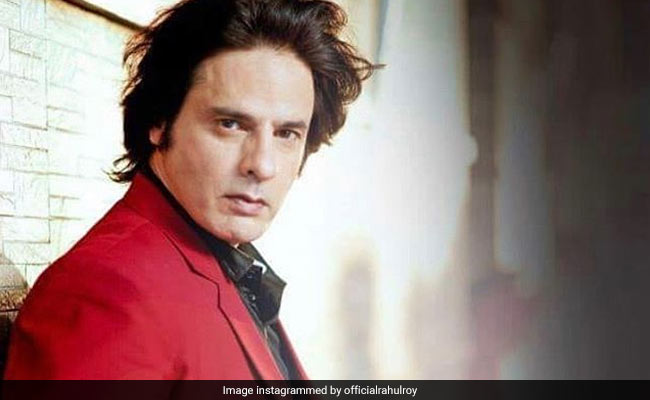
Actor Rahul Roy suffered a brain stroke in 2020, an event that changed several aspects of his life. The actor, who rose to fame with Aashiqui, has spoken about the long road to recovery and the challenges he faced while trying to return to normal life. Over the past few years, Roy has gradually worked on his recovery and resumed professional commitments. He is now preparing for his acting comeback with Kuku TV's upcoming series Super Badshah, in which he will reportedly play an underworld don. Roy has also spoken about making significant lifestyle changes after his stroke, including quitting smoking and adopting a vegan lifestyle. While these changes can contribute to better overall health, experts point out that preventing another stroke involves much more than following a particular diet.
Can Going Vegan Prevent Another Stroke?
According to Dr Vinit Banga, Director, Neurology, Fortis Hospital, Faridabad, adopting a vegan lifestyle and quitting smoking can be important steps after a stroke, but following a vegan diet alone does not guarantee protection against another stroke. "Lifestyle modification may prove to be very essential during recovery process and throughout your life. Adopting a vegan lifestyle alone does not ensure you that you won't get a stroke next time. It requires a holistic effort to prevent stroke," he explains. For someone who has already experienced a stroke, prevention becomes particularly important. A second stroke can be influenced by several factors, including high blood pressure, diabetes, high cholesterol, smoking, physical inactivity, obesity and certain heart conditions. So, what lifestyle changes can actually help reduce the risk?
1. Follow A Heart-Healthy Diet
Diet plays an important role in managing several risk factors associated with stroke. Rather than focusing only on eliminating animal products, the overall quality of the diet matters. Dr Banga recommends including plenty of vegetables, fruits, whole grains, beans, nuts and healthy sources of protein. Dietary patterns such as the Mediterranean or DASH diet can also be considered. At the same time, it is important to reduce foods that can negatively affect cardiovascular health. Excess salt, highly processed foods, saturated fats, trans fats and added sugars should be limited. For people following a vegan diet, attention should also be paid to getting adequate protein and essential nutrients such as vitamin B12, iron and omega-3 fatty acids, depending on individual dietary choices and medical requirements.
2. Quit Smoking
Giving up smoking is one of the most important lifestyle changes a stroke survivor can make. Smoking damages blood vessels, promotes inflammation and increases the risk of blood clots. It can also contribute to the development and progression of atherosclerosis, in which fatty deposits build up inside arteries. Dr Banga says quitting smoking is among the most vital lifestyle modifications for someone who has already experienced a stroke. Avoiding exposure to tobacco smoke is also important. Simply reducing the number of cigarettes may not provide the same benefits as quitting completely.
3. Exercise Regularly
Physical activity can help control several factors that contribute to stroke risk, including body weight, blood pressure, blood sugar and cholesterol. However, exercise after a stroke should not be approached like a regular fitness programme. The appropriate level and type of activity depends on the individual's neurological recovery, physical abilities and other medical conditions. Dr Banga recommends engaging in physical activity after medical evaluation. Depending on the person's condition, this may include walking, physiotherapy, balance exercises, strength training or other forms of rehabilitation. The key is consistency rather than pushing the body beyond its limits.
4. Keep A Close Watch On Blood Pressure, Cholesterol And Blood Sugar
One of the biggest mistakes after a stroke is assuming that feeling better means the risk has disappeared. Blood pressure, cholesterol and blood glucose can remain abnormal even when a person feels completely well. Regular monitoring therefore becomes an important part of secondary stroke prevention. "Monitor your blood pressure, cholesterol and blood glucose regularly. Blood pressure is the most important risk factor for having a stroke," says Dr Banga. Keeping these numbers under control can significantly reduce the risk of damage to blood vessels and future cardiovascular events.
5. Take Your Medicines As Prescribed
Lifestyle changes should complement medical treatment, not replace it. Stroke survivors may be prescribed medicines to control blood pressure, cholesterol, blood clotting or other underlying conditions. Depending on the type and cause of the stroke, the treatment plan can vary considerably. Dr Banga stresses that patients should never stop or alter their stroke-prevention medication without speaking to their doctor. Even if a person feels completely recovered, stopping medication independently can increase the risk of complications.
6. Limit Alcohol Intake
Alcohol consumption can contribute to high blood pressure and, when excessive, may increase the risk of stroke. People who have suffered a stroke should discuss alcohol use with their doctor. Depending on their medical history, medications and stroke risk factors, they may be advised to avoid alcohol altogether or keep consumption to a minimum. The focus should be on reducing behaviours that can raise blood pressure or interfere with recovery and long-term prevention.
7. Prioritise Rehabilitation, Sleep And Stress Management
Stroke recovery does not end when a person leaves the hospital. Rehabilitation can remain important for months or even years, particularly when a person has problems with movement, speech, balance or daily activities. Adequate sleep and stress management are also part of maintaining overall cardiovascular health. Persistent stress, poor sleep and inactivity can make it harder to manage blood pressure, weight and blood sugar. Regular medical follow-ups can help identify problems early and allow treatment to be adjusted when necessary.
Why Lifestyle Changes Matter After A Stroke
A stroke can be caused by different mechanisms, so prevention cannot follow a one-size-fits-all approach. Some people may have high blood pressure as their major risk factor, while others may have diabetes, high cholesterol, an irregular heart rhythm or narrowing of the arteries. That is why lifestyle changes should be combined with appropriate medical evaluation. For someone like Rahul Roy, quitting smoking and changing his diet may represent meaningful steps in his recovery. But experts emphasise that the bigger picture matters. A healthy diet, regular movement, smoking cessation, control of blood pressure and cholesterol, adherence to prescribed medicines and continued rehabilitation can collectively help lower the risk of another stroke. Rahul Roy's decision to quit smoking and adopt a vegan lifestyle highlights how a major health event can become a turning point for lifestyle changes. However, going vegan alone is not a guarantee against another stroke. For stroke survivors, prevention requires a broader approach: eat a heart-healthy diet, remain physically active after medical clearance, stop smoking, control blood pressure, cholesterol and blood sugar, take prescribed medicines and continue rehabilitation and regular medical follow-ups. The goal after a stroke is not simply to recover from the first event, but to address the factors that could increase the risk of another one
Disclaimer: This content including advice provides generic information only. It is in no way a substitute for a qualified medical opinion. Always consult a specialist or your own doctor for more information. NDTV does not claim responsibility for this information.