

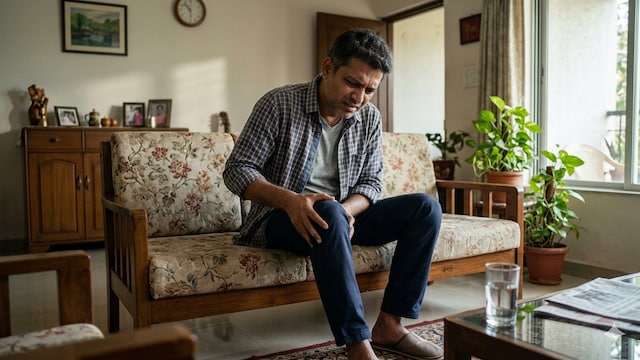
As you age, maintaining the strength and flexibility of your knees becomes non-negotiable to maintain quality of life. Starting in your 30s, you lose muscle mass, and the cartilage that cushions your knee joints naturally loses moisture and elasticity. Additionally, your body produces less collagen, causing tendons and ligaments around the knee to become stiffer and more prone to micro-tears. These factors, along with natural wear and tear, significantly affect knee health. Strengthening your body after 30 requires a coordinated approach that prioritises muscle preservation, metabolic efficiency, and joint health. Here's a complete guide that will navigate you through the best dietary choices and exercises to protect your knees and enhance overall well-being.
Knee strengthening siet
1. Anti-inflammatory foods
Chronic inflammation can lead to joint pain and deterioration. Incorporating anti-inflammatory foods can help manage inflammation. Foods rich in omega-3 fatty acids, like salmon, walnuts, and flaxseeds, are excellent options. Additionally, leafy greens, berries, and nuts can contribute to reducing inflammation.
2. Proteins
Protein is critical for muscle repair and growth. Including lean sources of protein such as chicken, turkey, legumes, tofu, and quinoa can help maintain muscle mass around the knees. Aim for 1.2 to 2.0 grams per kg of body weight.
3. Whole grains
Foods like brown rice, whole wheat bread, and oats can provide essential carbohydrates needed for energy, particularly when engaging in physical activities targeted at strengthening the knees.
4. Fruits and vegetables
They are rich in vitamins and minerals that support joint health. Vitamin C, found in citrus fruits and bell peppers, aids in collagen production, essential for cartilage health. Magnesium-rich foods, such as spinach and almonds, also contribute positively to muscle and nerve function.
5. Hydration
Staying hydrated is crucial for maintaining joint lubrication. Aim to drink plenty of water throughout the day, especially if you are exercising regularly.
READ | 8 Everyday Habits That Might Be Secretly Damaging Your Knees
Effective knee-strengthening exercises
Instead of isolating single muscles, prioritise push-pull-squat movements that trigger maximum muscle recruitment and hormone response.
1. Squats
Stand with your feet shoulder-width apart and slowly squat down as if you are sitting in a chair, ensuring your knees do not surpass your toes. This exercise strengthens the quadriceps, hamstrings, and glutes.
2. Leg raises
Lie on your back with one leg bent and the other straight. Slowly lift the straight leg to the height of the bent knee, keeping it straight. This exercise targets the quadriceps without putting too much stress on the knees.
3. Step-ups
Using a sturdy platform or step, step onto it with one foot and bring the other foot to meet it, then step back down. This movement enhances coordination and strengthens the entire lower body.
4. Hamstring curls
Stand and hold onto a wall for balance. Slowly bend one knee, bringing your heel towards your glutes. This exercise helps to strengthen the hamstrings, which are essential for knee stability.
5. Cycling
Whether indoors on a stationary bike or outdoors, cycling is a low-impact exercise that helps strengthen the knees and improve overall cardiovascular health.
Aim for 2 to 3 dedicated strength sessions per week, combined with 150 minutes of moderate aerobic activity.
When embarking on a knee-strengthening program, aim for a mixture of strength training, flexibility, and cardiovascular exercises. Start slowly, especially if you are new to physical activity, and gradually increase the intensity and duration of workouts. Additionally, consider incorporating rest days to allow for muscle recovery.
READ | 8 Everyday Habits That Might Be Secretly Damaging Your Knees
Maintaining knee health after the age of 30 is crucial for sustaining an active lifestyle and improving quality of life. If you are experiencing knee pain or continuous discomfort, seek medical help.
Disclaimer: This content including advice provides generic information only. It is in no way a substitute for a qualified medical opinion. Always consult a specialist or your own doctor for more information. NDTV does not claim responsibility for this information.