

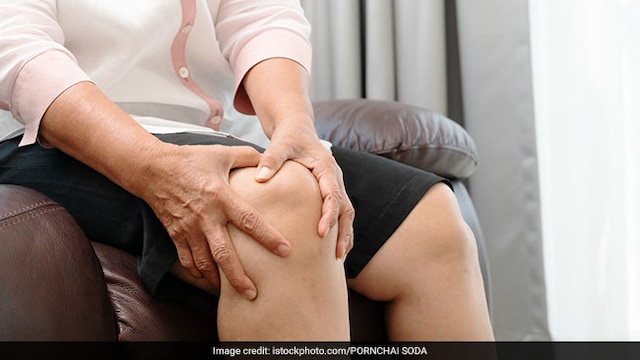
Many women, especially those over 50, experience a common issue: knee pain. While joint wear and tear affects everyone with age, biological, hormonal, and anatomical factors increase the risk of chronic knee problems in women. Estrogen, which acts as a natural anti-inflammatory, helps protect joint tissue. However, during menopause, estrogen levels drop sharply, leading to accelerated thinning of the protective cartilage in the joints.
Additionally, women usually have a wider pelvis than men, resulting in a sharper angle between the hip and knee, known as the "Q-angle." This anatomical difference shifts the weight on the knee joint towards the inner side, causing more wear and tear over time.
While knee pain is prevalent among women in their 50s, it should not be viewed as a normal part of ageing. Dr. Krishna Mani, an orthopaedic surgeon, has shared some tips on Instagram to help women maintain healthy joints.
"Do you have any women over 50 in your household who experience knee pain, hear cracking sounds when they get up, or find it difficult to climb stairs? If so, I encourage focusing on weight management and strength training. As an orthopaedic surgeon, I want to emphasise that repeatedly getting X-rays or taking medication will not solve the problem, as this is not a disease, but rather a part of ageing. So, what can be done?" Dr. Mani said in the video.
4 Things women over 50 must do to preserve their joints
Dr. Mani has further shared the following tips for women to prevent and eliminate knee pain.
1. Weight management
Maintaining a healthy weight is crucial for joint health because excess weight puts additional strain on your joints, particularly those in the lower body like the knees and hips. By managing your weight, you can reduce the pressure on these joints, which can help prevent pain and reduce the risk of conditions like osteoarthritis.
READ | Knee Strengthening Diet And Exercise: A Complete Guide For People Over 30
2. Strength training
Engaging in regular strength training exercises strengthens the muscles around your joints. Strong muscles provide better support and stability, which can help reduce joint pain and improve mobility. Focus on exercises that strengthen all major muscle groups, particularly those that support your knees and hips.
3. Avoid walking barefoot
"Avoid walking barefoot on the floor as all the impact of the floor comes directly to the knee joint," Dr. Mani added. Walking barefoot, especially on hard surfaces, can increase the stress on your joints. Proper footwear provides cushioning and support to your feet, which helps absorb impact and reduces strain on your knees and hips. If you need to go barefoot, consider doing so on softer surfaces like grass or sand.
READ | Walnuts For Knee Pain: How Do They Help? Benefits Explained
4. Focus on your diet
After age 50, a sharp decline in estrogen makes your joints highly vulnerable to inflammatory damage. A diet packed with anti-inflammatory foods like omega-3-rich fish, leafy greens, and berries blocks the chemical pathways that cause joint pain. Additionally, ensuring a steady intake of Calcium, Vitamin D, and Vitamin C provides the raw building blocks required to preserve bone density and support structural collagen production.
Incorporating these strategies into your lifestyle can significantly contribute to maintaining healthy joints and reducing the risk of joint-related issues.
READ | 8 Everyday Habits That Might Be Secretly Damaging Your Knees
When to see a doctor
While mild morning stiffness that fades after 10 minutes of movement is common, certain red flags require immediate medical attention:
- The pain persists for more than a few weeks despite rest and home care
- The pain is severe enough to disrupt your sleep
- It limits basic daily functions like walking or navigating stairs
Seek urgent medical care if you experience sudden, severe swelling or the inability to bear any weight on the leg.
Disclaimer: This content including advice provides generic information only. It is in no way a substitute for a qualified medical opinion. Always consult a specialist or your own doctor for more information. NDTV does not claim responsibility for this information.