

)
Knee pain is a common concern worldwide, particularly among older adults and those with active lifestyles. This discomfort can stem from various factors, including ageing, injury, overuse, nutritional deficiencies, or underlying health conditions such as arthritis. Chronic knee pain can significantly restrict daily activities, leading to a decreased quality of life. While treatments like medication and physical therapy are essential for managing knee pain, attention to diet can also play a pivotal role. Certain foods are known to have anti-inflammatory properties or are rich in nutrients that support joint health. Among these, walnuts stand out as a nutrient powerhouse that can significantly benefit knee health.
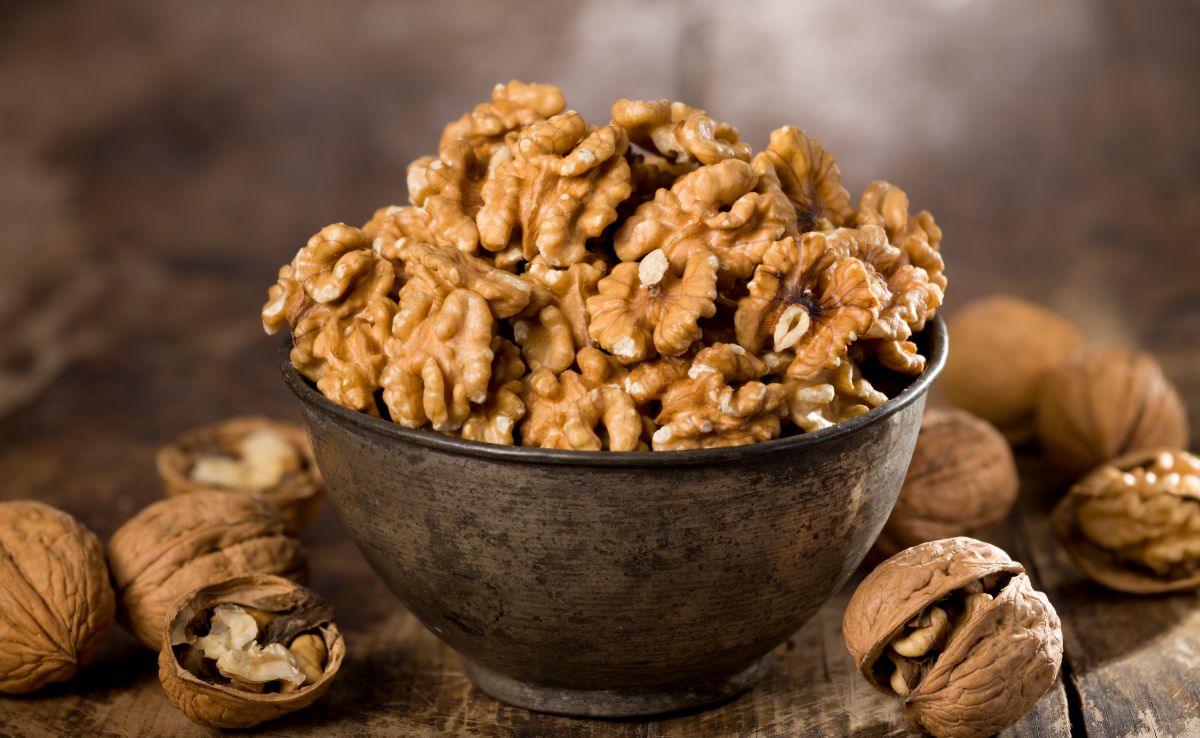
Walnuts for knee health
Walnuts are highly beneficial for the knees, joints, and bones primarily because they are rich in anti-inflammatory compounds and essential minerals that preserve bone health and protect cartilage from wearing down.
-
Reduces knee inflammation and stiffness
Walnuts are packed with Alpha-Linolenic Acid (ALA), a plant-based omega-3 fatty acid. ALA suppresses chronic inflammation by decreasing inflammatory markers like C-reactive protein. This directly relieves the friction, heat, and swelling often experienced in the knee joints.
According to the Arthritis Foundation, researchers studying their effects have found they lower C-reactive protein (CRP), a marker of inflammation linked to increased risk of cardiovascular disease and arthritis.
-
Alleviates arthritis pain
Antioxidants, including polyphenols and vitamin E, help combat oxidative stress and damage caused by free radicals. This antioxidant action can be particularly beneficial for joint health, as it helps protect the cartilage and may slow the progression of degenerative joint diseases like osteoarthritis. By nourishing the joints and helping to keep cartilage intact, walnuts can contribute to better knee function.
-
Improves joint flexibility
By protecting the synovial fluid and reducing local oxidative stress around the joints, the essential fats in walnuts help maintain smooth knee mobility and reduce overall stiffness.
-
Supports bone health
Walnuts are a solid source of minerals that are vital for bone health, such as magnesium, phosphorus, and calcium. Strong bones are essential for supporting the knee joint, and maintaining bone density is crucial, particularly as you age. By including walnuts in your diet, you can provide your body with the essential nutrients it needs to optimise bone health, which supports knee function.
Walnuts benefits beyond knee health
Beyond their advantages for knee and joint health, walnuts offer several other health benefits.
- They are an excellent source of omega-3 fatty acids that support heart health by lowering blood pressure and reducing cholesterol levels, contributing to overall cardiovascular wellness.
- Additionally, walnuts are beneficial for brain health, as they may improve cognitive function and memory.
- Walnuts also act as a prebiotic, feeding beneficial gut microbiota and increasing butyric acid-producing bacteria for a healthier digestive tract.
- Walnuts also support weight loss efforts. High in protein and fibre, they promote satiety. Walnut consumption is linked to better insulin sensitivity and lowered fasting blood sugar levels.
In conclusion, walnuts are a highly nutritious addition to any diet. However, they should be incorporated into a well-balanced diet for maximum benefits. Furthermore, if you are experiencing severe or chronic knee pain, it is essential to seek professional medical advice rather than relying on dietary changes alone
Disclaimer: This content including advice provides generic information only. It is in no way a substitute for a qualified medical opinion. Always consult a specialist or your own doctor for more information. NDTV does not claim responsibility for this information.