

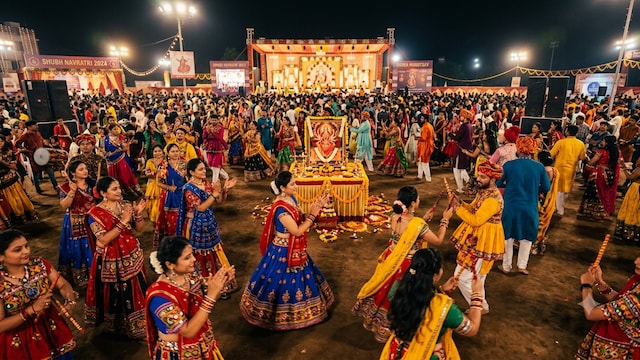
Navratri dancing can be a fun way to stay active, but excessive twisting, sudden movements and poor posture may put your spine at risk. Here is how to recognise the warning signs of a spinal injury and when to seek medical attention. The festive season brings music, colourful outfits and energetic Garba nights, with people spending hours dancing to their favourite tunes. While dancing is an enjoyable way to stay physically active, repeated spins, sudden twists and prolonged physical exertion can sometimes put excessive strain on the back and neck. Back pain after a long night of dancing may be caused by muscle fatigue or strain. However, persistent pain, tingling, numbness or weakness should not be dismissed as ordinary post-workout soreness. In some cases, these symptoms may indicate an underlying spinal problem, including a herniated disc.
Dr Gaurav Batra, Principal Consultant, Neurosurgery, Yashoda Medicity, Indirapuram, explains how repetitive movements and incorrect techniques can affect spinal health, the warning signs to watch out for and when medical evaluation becomes necessary.
How Can Garba Spins Affect Your Spine?
The spine provides structural support to the body, protects the spinal cord and enables movements such as bending, twisting and turning. It consists of vertebrae separated by intervertebral discs, which act as cushions and help absorb the impact of everyday activities. Although the spine is designed to accommodate movement, repeated twisting, sudden jerks and excessive exertion can strain the muscles and ligaments surrounding it. Dancing for extended periods without adequate preparation or rest may increase the risk of discomfort and injury, particularly when movements are performed incorrectly.
One condition that can cause significant back pain is a herniated disc, commonly known as a slipped disc. It occurs when the soft inner material of an intervertebral disc pushes through a weakened or damaged outer layer. Depending on its location, the displaced material may irritate or compress nearby nerves, causing pain that travels beyond the back. However, not every episode of back pain after dancing indicates a slipped disc. Muscle strain and other musculoskeletal problems are also common causes of discomfort. The nature, duration and severity of symptoms help determine whether further investigation is necessary.
7 Warning Signs Your Spine May Be Sending You
Recognising the difference between temporary muscular discomfort and symptoms that warrant medical attention is important, especially if you regularly participate in high-energy dance sessions.
1. Persistent back or neck pain
Muscle soreness after prolonged dancing generally improves with rest and time. Pain that persists, worsens or repeatedly returns, however, deserves attention. Discomfort that interferes with daily activities or makes it difficult to bend, stand or walk normally should not be ignored.
2. Pain radiating into your arms or legs
Pain that travels from the lower back into the buttocks and legs may indicate irritation or compression of a nerve. Similarly, neck problems can sometimes cause pain that extends into the shoulders and arms. Such symptoms may occur with conditions such as a herniated disc.
3. Numbness or tingling
A sensation of pins and needles, tingling or reduced sensation in the arms, hands, legs or feet may suggest nerve involvement. If these symptoms develop after dancing and persist or recur, consult a medical professional rather than continuing to exert yourself.
4. Muscle weakness
Difficulty lifting the foot, gripping objects or moving an arm or leg normally may indicate a neurological problem. New or progressive weakness requires prompt medical assessment.
5. Pain that worsens with certain movements
If twisting, bending or changing positions repeatedly triggers sharp or shooting pain, it is worth getting evaluated. Although movement-related pain can have several causes, persistent symptoms should not automatically be attributed to dancing.
6. Pain that interferes with sleep or everyday activities
Pain that prevents you from sleeping comfortably, sitting for prolonged periods or carrying out routine activities may require further investigation, particularly if it does not improve.
7. Bladder or bowel dysfunction, or numbness around the groin
These are emergency warning signs when associated with back pain or neurological symptoms. New difficulty passing urine, loss of bladder or bowel control, numbness around the groin or buttocks, or rapidly worsening leg weakness may indicate serious compression of nerves in the lower spine. Seek emergency medical care immediately if these symptoms develop. Do not wait for them to resolve on their own.
How Can You Protect Your Spine While Dancing?
Enjoying Garba does not mean you have to avoid energetic movements altogether. A few precautions can help reduce unnecessary strain and make long dance sessions more comfortable. Warm up before you begin: Spend five to 10 minutes warming up with gentle walking and dynamic movements. Gradually prepare your muscles and joints for more demanding activity rather than starting with vigorous spins.
- Wear appropriate footwear: Choose comfortable shoes that provide adequate support and grip for the dance surface. Avoid footwear that makes you unstable or increases the likelihood of slipping.
- Maintain control over your movements: Perform turns and twists with control instead of relying on sudden, forceful movements. Avoid pushing your body into uncomfortable positions, particularly when fatigue begins to affect your coordination.
- Build your stamina gradually: If you are not accustomed to prolonged dancing, increase the duration and intensity of your sessions progressively. Attempting to match the pace of experienced dancers immediately may place unnecessary demands on your body.
Take regular breaks: Dancing continuously for several hours can lead to fatigue, which may affect balance and movement control. Rest when needed, drink enough water and avoid continuing if you experience pain. Listen to your body: Mild muscular fatigue is different from sharp pain, radiating discomfort, numbness or weakness. Stop dancing if you develop these symptoms and seek medical advice when appropriate.
When Should You Consult a Neurosurgeon?
Occasional muscular soreness after physical activity may improve with rest and simple self-care. However, persistent back or neck pain, particularly when accompanied by pain radiating into the arms or legs, numbness or muscle weakness, warrants medical evaluation. Dr Batra explains that a neurosurgical assessment involves understanding the patient's symptoms and medical history, along with a physical and neurological examination. This may include assessing posture, reflexes, muscle strength, sensation and nerve function to identify the possible source of the problem.
Depending on the findings, the doctor may recommend imaging investigations. Magnetic resonance imaging (MRI) can help assess intervertebral discs, nerves and other soft tissues. X-rays may be used to evaluate the alignment of the spine and its bones, while computed tomography (CT) scans may be appropriate in selected cases. Not everyone with back pain requires a scan. The need for imaging depends on the symptoms, examination findings and clinical assessment.
Treatment also varies according to the underlying cause and severity of the condition. Many cases of back pain can be managed without surgery through appropriate activity modification, medication prescribed by a doctor and physiotherapy when indicated. Surgery may be considered in selected cases involving significant nerve compression, progressive neurological deficits or other specific clinical indications. Importantly, anyone experiencing new bladder or bowel dysfunction, numbness around the groin or rapidly worsening leg weakness should seek emergency medical attention rather than waiting for a routine appointment.
Garba and other forms of dancing can be enjoyable ways to stay active during the festive season. However, the excitement of the celebrations should not come at the expense of spinal health.
Warm up properly, perform movements with control, take breaks and avoid dancing through pain. Most importantly, do not dismiss persistent back pain, radiating discomfort, numbness or weakness as routine soreness. Your spine allows you to move, turn and dance. Paying attention to its warning signs can help you enjoy the festivities while protecting your long-term mobility and well-being.
Disclaimer: This content including advice provides generic information only. It is in no way a substitute for a qualified medical opinion. Always consult a specialist or your own doctor for more information. NDTV does not claim responsibility for this information.