

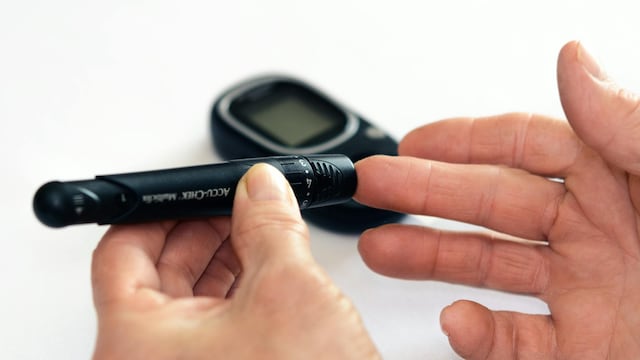
Diabetes is often classified into two major types: type 1 diabetes, in which the body's immune system destroys the insulin-producing cells of the pancreas, and type 2 diabetes, in which the body does not respond effectively to insulin. However, some people with type 1 diabetes can also develop insulin resistance, creating a combination of two metabolic problems commonly referred to as "double diabetes". The condition can make blood sugar management more challenging and may increase the risk of complications if glucose levels remain uncontrolled. Insulin resistance is commonly associated with type 2 diabetes and can also develop in people with type 1 diabetes, particularly when factors such as excess body weight and physical inactivity are present. "Double diabetes" is not a formal diagnostic category with universally agreed criteria, but the term is used to describe people with type 1 diabetes who also develop features of insulin resistance. Recognising the signs and managing blood glucose, blood pressure and cholesterol are important steps in reducing the risk of long-term complications. According to Dr Bhanu Mishra, consultant, nephrology, Fortis Hospital, Shalimar Bagh, persistently high blood sugar can affect several organs, including the heart, eyes, nerves and kidneys. Here is what to know about the condition, its warning signs and how to reduce the associated risks.
What Is Double Diabetes?
Double diabetes generally refers to the presence of type 1 diabetes alongside insulin resistance, a feature commonly associated with type 2 diabetes. In type 1 diabetes, the pancreas produces little or no insulin because the immune system attacks the cells responsible for making the hormone. Insulin treatment is therefore essential for survival. Insulin resistance occurs when the body's cells respond less effectively to insulin, making it harder for glucose to move from the bloodstream into the cells. The body may consequently require more insulin to maintain blood glucose within the target range. When insulin resistance develops in someone who already has type 1 diabetes, managing blood sugar can become more complicated. The person may require adjustments to insulin treatment under medical supervision, alongside changes to diet, physical activity and other lifestyle factors.
However, insulin resistance alone does not mean someone has type 2 diabetes, and the term "double diabetes" should not be used as a substitute for an individual medical assessment.
What Are The Early Warning Signs Of Double Diabetes?
The symptoms may overlap with those of poorly controlled diabetes and insulin resistance. Some people may notice changes in their glucose readings before experiencing obvious physical symptoms. Possible warning signs include:
- Persistently high blood glucose: Readings may remain above the individual's target range despite following the prescribed treatment plan.
- Unexplained tiredness: High blood sugar can contribute to fatigue and reduced energy.
- Increased thirst: Excess glucose in the blood can cause the body to lose more water through urine.
- Frequent urination: The kidneys attempt to remove excess glucose through urine, which can increase urination.
- Difficulty managing blood sugar: Glucose levels may become harder to control, although this can have several causes besides insulin resistance.
These symptoms are not specific to double diabetes. They can also occur when type 1 diabetes is inadequately controlled or for other medical reasons. People with type 1 diabetes who experience persistent changes in their glucose readings should consult their treating doctor rather than independently changing insulin doses. Severe symptoms such as vomiting, abdominal pain, rapid or deep breathing, confusion or marked drowsiness can indicate diabetic ketoacidosis, a medical emergency that requires immediate treatment.
What Increases The Risk Of Double Diabetes?
Several factors may contribute to insulin resistance in people with type 1 diabetes.
Excess Body Weight
Excess body fat, particularly around the abdomen, is associated with insulin resistance. This can make glucose management more difficult in people who already depend on insulin treatment.
However, insulin resistance can also occur in people who are not overweight.
Physical Inactivity
Regular physical activity helps muscles use glucose and improves insulin sensitivity. A sedentary lifestyle may contribute to reduced insulin sensitivity and make blood glucose management more challenging.
Dietary Patterns
A diet that frequently includes large portions of refined carbohydrates, sugary drinks and energy-dense foods may contribute to excess calorie intake and weight gain. The overall dietary pattern matters more than any single food.
People with type 1 diabetes should not eliminate carbohydrates indiscriminately. Carbohydrate intake needs to be balanced with insulin treatment and individual glucose-management goals.
Family History
A family history of type 2 diabetes can indicate a greater underlying susceptibility to insulin resistance and metabolic conditions. Genetics, body composition, physical activity and other metabolic factors can all influence an individual's risk. Importantly, double diabetes is not caused simply by eating too much sugar. The development of insulin resistance involves several interacting biological and lifestyle factors.
How Can Double Diabetes Affect The Body?
Persistently elevated blood glucose can damage blood vessels and nerves over time. The resulting complications may affect multiple organs.
Heart And Blood Vessels
Diabetes is associated with an increased risk of cardiovascular disease. High blood glucose, particularly when accompanied by high blood pressure, abnormal cholesterol levels, smoking or insulin resistance, can increase the risk of heart attacks and strokes. Managing these risk factors is an important part of long-term diabetes care.
Eyes
Diabetic retinopathy occurs when prolonged exposure to high blood glucose damages the small blood vessels in the retina. The condition may develop without noticeable symptoms in its early stages. If it progresses, it can affect vision and, in severe cases, cause sight loss. Regular diabetic eye examinations can help detect changes before vision is affected.
Nerves
Diabetic neuropathy refers to nerve damage associated with diabetes. It can cause tingling, burning, pain or numbness, particularly in the feet and legs. Reduced sensation can make it harder to notice cuts, blisters or injuries, increasing the risk of foot ulcers and infections. People with diabetes should inspect their feet regularly and seek medical advice if they notice wounds, swelling, discolouration or signs of infection.
How Does Double Diabetes Affect The Kidneys?
Kidney health is a particularly important consideration for people with diabetes because persistently high blood glucose can damage the small blood vessels and filtering structures within the kidneys. "High blood sugar can damage the small blood vessels in the kidneys, leading to diabetic nephropathy," explains Dr Mishra. Diabetic kidney disease, also known as diabetic nephropathy, can develop gradually. In its early stages, it often causes no obvious symptoms, meaning a person may have kidney damage without realising it.
As the condition progresses, the kidneys may begin to leak protein into the urine, a sign of damage to their filtering structures. Kidney function can also decline over time. In advanced cases, diabetic kidney disease can progress to kidney failure, potentially requiring dialysis or a kidney transplant. This is why people with diabetes should not wait for symptoms before getting their kidney health assessed. Urine albumin testing and blood tests to estimate kidney function can help detect early changes.
How Can You Reduce The Risk Of Complications?
Although double diabetes cannot always be prevented, improving insulin sensitivity and managing cardiovascular risk factors can help support better long-term health.
Follow An Individualised Diet Plan
A balanced diet containing vegetables, whole grains, suitable protein sources, healthy fats and fibre can help support blood glucose management. People with diabetes should work with a qualified dietitian or their treating clinician to determine appropriate carbohydrate portions and meal timing. Dietary changes should be coordinated with insulin treatment.
Exercise Regularly
Physical activity can improve insulin sensitivity, support cardiovascular health and help maintain a healthy body weight. Walking, cycling, swimming and resistance training may all be beneficial. However, people with type 1 diabetes should plan exercise around their insulin regimen and monitor glucose as advised, because physical activity can cause blood sugar to fall during or after a workout.
Monitor Blood Glucose
Regular glucose monitoring helps identify patterns and allows the treating team to make informed decisions about insulin treatment. People using continuous glucose monitoring devices can discuss their readings and glucose trends with their healthcare provider. Insulin doses should never be changed without appropriate medical guidance.
Manage Blood Pressure And Cholesterol
Blood pressure and cholesterol management are important for reducing the risk of cardiovascular disease and kidney complications. Regular medical reviews can help identify problems early and determine whether lifestyle measures or medication are needed.
Avoid Smoking
Smoking increases cardiovascular risk and can worsen the outlook for people with diabetes. Avoiding tobacco is an important step towards protecting heart and kidney health.
Schedule Regular Eye, Foot And Kidney Checks
Diabetes-related complications may develop before symptoms become apparent. Regular eye examinations, foot assessments, urine albumin tests and kidney function blood tests can help detect problems early. The frequency of these checks should be determined by the treating healthcare team based on the person's diabetes type, duration and existing risk factors.
Double diabetes describes a situation in which a person with type 1 diabetes also develops insulin resistance. The combination can make glucose management more challenging, but the condition is not a formal diagnosis with universally agreed criteria. Persistently high blood glucose, unexplained fatigue, increased thirst, frequent urination and difficulty managing glucose levels warrant medical assessment, although these symptoms do not establish the condition on their own. Maintaining a balanced diet, exercising regularly, monitoring blood glucose and managing blood pressure and cholesterol can help reduce the risk of complications. Regular screening for eye, nerve and kidney damage is equally important.
For anyone living with type 1 diabetes, persistent changes in glucose control should prompt a discussion with their treating doctor to identify the cause and determine whether insulin resistance or another issue may be contributing.
Disclaimer: This content including advice provides generic information only. It is in no way a substitute for a qualified medical opinion. Always consult a specialist or your own doctor for more information. NDTV does not claim responsibility for this information.