

)
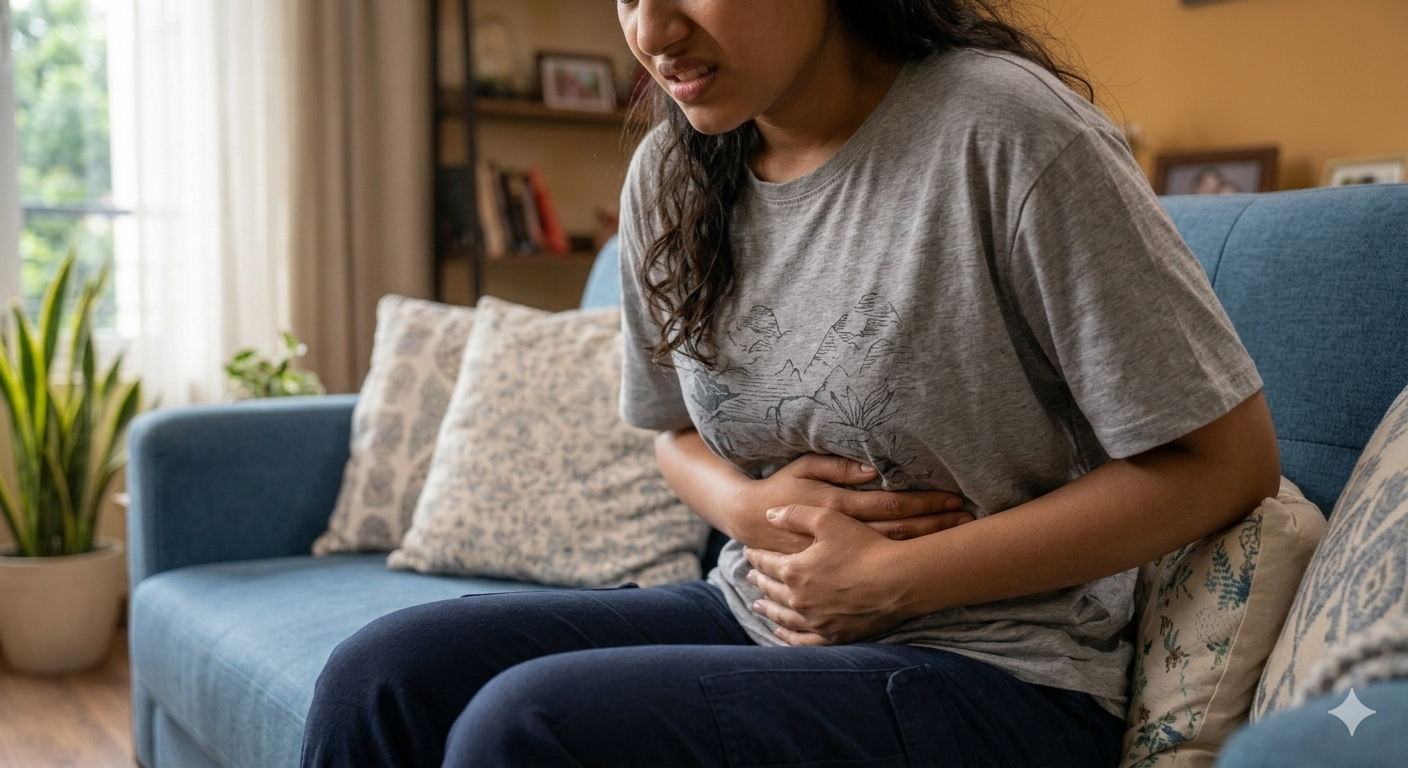
The monsoons bring much-needed relief from the summer heat, however, it also increases the chances of food and water contamination. The combination of high humidity, stagnant water, and warm temperatures creates the perfect environment for bacteria, viruses, and fungi to grow. As a result, stomach infections become more common during this time of the year. Many cases of food poisoning, diarrhoea, gastroenteritis, typhoid, and hepatitis A are linked to contaminated food and unsafe drinking water during the rainy season. Following simple food safety habits can help reduce these risks.
According to Air Cmde (Dr) Bhaskar Nandi, Director & Head - Gastroenterology, Hepatology & Endoscopy, Sarvodaya Hospital, Sector-8, Faridabad, and Dr Vineet Gupta, Senior Consultant & Unit Head, Gastroenterology, ShardaCare-HealthCity, making smart food choices is one of the best ways to protect your digestive health during the monsoon. Avoiding foods that spoil easily or are prepared in unhygienic conditions, while choosing freshly cooked meals and safe drinking water, can go a long way in keeping seasonal illnesses away.
1. Street Food
Street food is one of the biggest foods to avoid during the monsoon. Popular snacks like chaat, golgappas, cut fruits, and uncovered savouries are often prepared or stored in open environments where they can easily get contaminated. Many vendors may also use unsafe water, which increases the risk of stomach infections. Even if the food looks fresh, harmful germs may still be present. Choosing freshly prepared home-cooked food is a much safer option.
2. Raw Leafy Vegetables and Salads
Raw leafy vegetables can carry dirt, parasites, and harmful microorganisms, especially during the rainy season. If they are not washed properly, they may cause digestive infections. Doctors recommend eating cooked vegetables instead because cooking destroys most disease-causing germs. If you want to eat salads, wash them thoroughly at home using clean water. You can also soak fruits and vegetables in water with a little vinegar before rinsing them well.
3. Seafood That Is Not Fresh
Seafood should be eaten carefully during the monsoon because this is the breeding season for many fish and shellfish. During this period, the chances of contamination and spoilage are higher. If you choose to eat seafood, make sure it is fresh and cooked completely. Undercooked or stale seafood can increase the risk of foodborne illnesses and stomach infections.
4. Leftover and Stale Food
Avoid eating food that has been refrigerated for long periods or left out for several hours. In humid weather, bacteria multiply much faster, making leftover food unsafe if not stored properly. Freshly cooked meals are always the safest choice during the rainy season. If you must store food, refrigerate it quickly and reheat it thoroughly before eating.
5. Fried and Oily Foods
Rainy weather often makes people crave pakoras, samosas, and other fried snacks. However, these foods are heavy and difficult to digest. Eating too many fried or oily foods can lead to acidity, bloating, indigestion, and discomfort. Limiting such foods and choosing lighter meals can help keep your digestive system healthy throughout the season.
6. Sugary Drinks, Desserts, and Raw Foods
Excessive sugary drinks and desserts may contribute to inflammation and can affect overall immunity. It is also better to avoid raw sprouts and pre-cut fruits sold outside, as they can easily become breeding grounds for bacteria during the monsoon. Instead, choose seasonal fruits that can be peeled, such as bananas and pomegranates, as they are generally safer to eat.
Healthy Eating Tips For The Monsoon
Doctors recommend focusing on freshly prepared, home-cooked meals that are light, nutritious, and easy to digest. Here are some simple food and water habits that can help:
- Drink safe water: Stick to bottled or boiled water. If unsure, use a water purifier or add chlorine tablet
- Eat freshly cooked food: Avoid street food and opt for home-cooked meals. Make sure food is piping hot
- Wheat and milled grains are safer: These are less likely to be contaminated with fungi
- Wash fruits and veggies thoroughly: Use clean water and a bit of vinegar to remove dirt and bacteria
- Avoid raw sprouts and cut fruits: These can be breeding grounds for bacteria
- Use clean utensils and plates: Wash them thoroughly with soap and water
- Stay hydrated: Drink plenty of fluids, but make sure they're safe
- Wash hands frequently: Especially before eating and after using the bathroom
Disclaimer: This content including advice provides generic information only. It is in no way a substitute for a qualified medical opinion. Always consult a specialist or your own doctor for more information. NDTV does not claim responsibility for this information.