

)
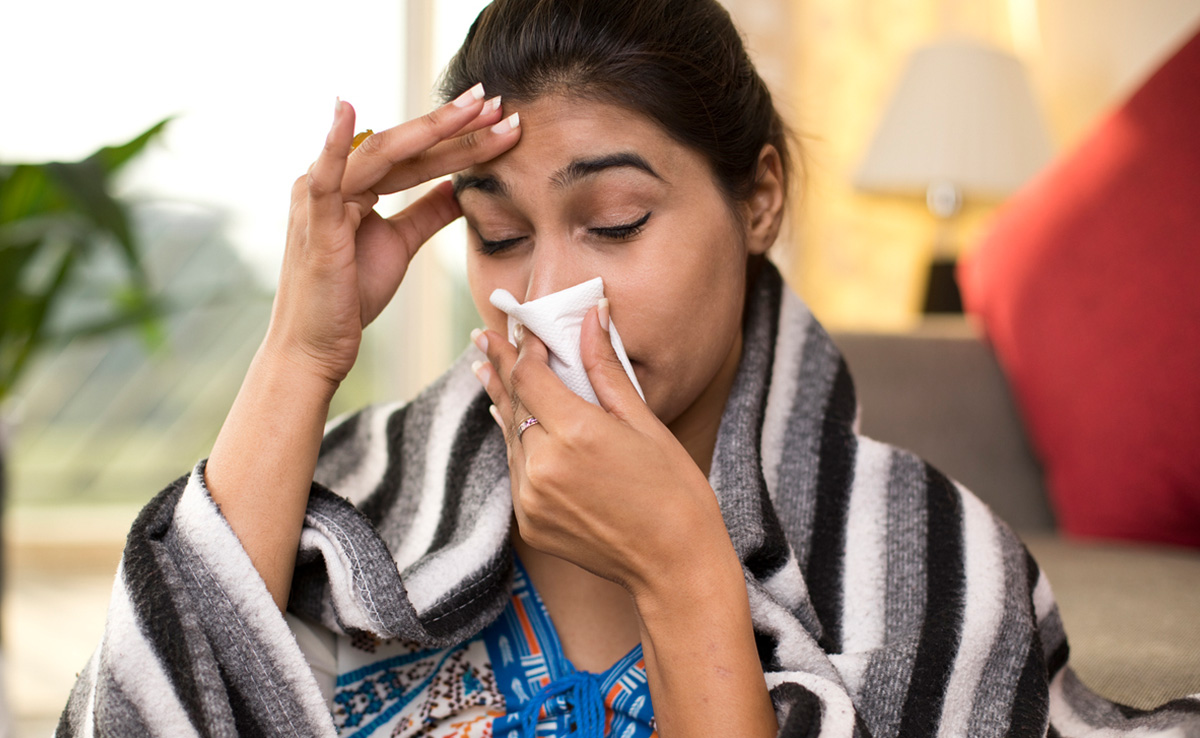
Summer in India is often associated with dehydration, heatstroke and exhaustion, but doctors say the season also brings a lesser-discussed health risk: a rise in viral infections. From influenza-like illnesses and viral conjunctivitis to dengue, chikungunya and food-borne infections, hospitals frequently report a seasonal surge in patients during the hotter months. Increased travel, overcrowded transport systems, swimming pools, changing temperatures between outdoor heat and air-conditioned indoor spaces, and poor food hygiene all contribute to the spread of infections.
According to Dr Monica Mahajan, Principal Director and head of department - Internal Medicine, Max Super Speciality Hospital, Saket, New Delhi, viral illnesses during summer are more common than many people realise. "The advent of summers brings with it the heat, humidity and dust storms. This is also the time for summer vacations, travel, crowds, outdoor sports, swimming and adventure activities. This is the season when viruses flourish," she explained.
Public health experts note that while some viruses thrive in winter, several others, especially enteroviruses and mosquito-borne infections, become more active during warmer and humid conditions. Combined with lifestyle and environmental factors, this creates ideal conditions for outbreaks during the summer season.
Why Viral Infections Rise During Summer
Doctors say environmental and behavioural changes during summer play a major role in spreading infections. High humidity and fluctuating temperatures can affect immunity and create conditions favourable for viruses to survive and spread.
"The hot humid environment is ideal for viruses like enteroviruses to proliferate," said Dr Mahajan. "Moreover, when you alternately spend time in an air-conditioned office and then step outside into the sweltering heat, it puts stress on the immune system and temperature fluctuations reduce the capacity to fight infections."
Research has shown that environmental conditions influence viral transmission patterns. According to the World Health Organization (WHO), respiratory viruses spread more easily in crowded and poorly ventilated settings, especially during travel and seasonal movement. Dr Mahajan added that travel exposure is another major factor during summer vacations. "Exposure to viruses increases manifold during air travel when you breathe the recirculating air inside the cabin of an aircraft. One passenger suffering from flu can infect the entire flight," she said. "Travel by overcrowded trains makes you equally vulnerable to catch infections."
Common Viral Infections Seen During Indian Summers
Doctors commonly report respiratory infections caused by influenza, parainfluenza, adenovirus and enteroviruses during summer. Symptoms may include fever, sore throat, body aches, cough, vomiting and diarrhoea.
"The rhinoviruses survive better in winters whereas the enteroviruses multiply better in the summers," Dr Mahajan explained. According to the US Centers for Disease Control and Prevention (CDC), enteroviruses tend to peak during warmer months and can spread through respiratory secretions, contaminated surfaces and poor hand hygiene.
Why Conjunctivitis Cases Increase
Summer is also associated with a rise in viral conjunctivitis or "pink eye", especially among children. Swimming pools, summer camps and close-contact activities make transmission easier.
"Some people end up with a pink eye or conjunctivitis. Children are more susceptible than adults," said Dr Mahajan. "Viral conjunctivitis can spread from pool water, shared towels or by touching contaminated surfaces like door handles or phones." Viral conjunctivitis spreads rapidly in humid conditions and crowded environments, particularly among children and school-going groups.
Food, Water And Summer Gastrointestinal Infections
Summer also increases the risk of food- and water-borne infections because high temperatures encourage microbial growth in improperly stored food and contaminated beverages. "The temptation to consume fresh fruit juice, sugarcane juice or kulfi is hard to resist and the next thing is a visit to the hospital due to food and water borne infections like hepatitis A and hepatitis E viral jaundice," Dr Mahajan warned. "Viral gastroenteritis is frequently encountered."
According to the National Centre for Disease Control (NCDC), hepatitis A and E outbreaks in India are commonly linked to contaminated water, poor sanitation and unhygienic food handling during summer and monsoon months. Typhoid fever, caused by Salmonella Typhi, also rises during hot weather due to unsafe drinking water and contaminated food.
Dengue, Chikungunya And Mosquito-Borne Viruses
Mosquito-borne viral infections remain one of the biggest public health concerns during Indian summers and the onset of monsoon. Stagnant water in coolers, flower pots and puddles becomes breeding grounds for mosquitoes carrying dengue and chikungunya viruses.
"Mosquitoes breed in puddles of water and flower pots. These spread dengue and chikungunya viruses and there is an onslaught of viral fever patients rushing to the hospital," Dr Mahajan said. "They have high fever, headache, back and joint pains and rash." The WHO estimates that dengue cases are increasing globally due to climate factors, urbanisation and population movement.
Hand, Foot And Mouth Disease In Children
Summer camps and indoor activity centres can also increase the spread of hand, foot and mouth disease (HFMD), especially in children under five. "Mothers love to send their small children to activity classes in the vacation and the child may end up with hand, foot and mouth disease," Dr Mahajan said. "Swimming pools and summer camps spread viruses easily from one person to another."
The disease, usually caused by coxsackieviruses, spreads through saliva, nasal secretions and contaminated surfaces. The CDC says outbreaks are common in childcare and crowded recreational settings.
When To Seek Medical Help
Doctors advise immediate medical attention if symptoms become severe or prolonged. "Alarm signs for any viral fever include a fever lasting more than 72 hours, breathing difficulty, dehydration due to vomiting or diarrhoea, drowsiness or bleeding tendency," Dr Mahajan cautioned. "There is no role of antibiotics in a viral infection. Avoid self-medication and consult a doctor to get a proper diagnosis and appropriate treatment."
How To Prevent Summer Viral Infections
Experts recommend maintaining hygiene, avoiding unsafe food and preventing mosquito breeding to reduce infection risks. "To prevent falling sick, eat healthy and avoid unhygienic street food. Hydrate well, wash hands frequently and prevent stagnant water from collecting around your neighbourhood," Dr Mahajan advised. "Lastly, vaccinate for flu, hepatitis and typhoid. Vaccines save lives."
Summer in India may be associated with sunshine and vacations, but it is also a season when several viral infections spread rapidly due to humidity, crowding, travel and poor hygiene practices. From respiratory viruses and conjunctivitis to dengue and gastrointestinal infections, doctors warn that prevention and early diagnosis are essential. Experts say simple precautions, including vaccination, hand hygiene, safe food practices and mosquito control, can significantly reduce the risk of seasonal viral illnesses.
Disclaimer: This content, including advice, provides generic information only. It is in no way a substitute for a qualified medical opinion. Always consult a specialist or your own doctor for more information. NDTV does not claim responsibility for this information.