

)
A sudden rise in blood sugar is usually associated with diabetes, but your glucose can go up temporarily even when you do not have the condition. What matters is why it happens, how high the rise is, how often it occurs, and whether your blood sugar returns to normal afterward. Your body is constantly adjusting blood glucose based on what you eat, how active you are, how well you sleep and even how stressed you feel. A temporary spike does not automatically mean that you have diabetes.
What happens to your blood sugar after eating?
When you eat carbohydrates, your digestive system breaks them down into glucose. This glucose enters the bloodstream and causes blood sugar to rise. Your pancreas responds by releasing insulin, which helps move glucose from the blood into your muscles and other tissues.
After a meal, some increase in blood sugar is expected. The size and duration of the rise can vary considerably.
For example, a meal containing white rice, potatoes, sugary drinks or sweets may raise glucose more quickly than a meal containing vegetables, protein, healthy fats and high-fibre carbohydrates. The portion also matters.
For most people without diabetes, insulin brings blood glucose back towards the usual range within a few hours. A temporary increase therefore does not necessarily indicate a disease.
Stress can raise your blood sugar too
You may notice a higher glucose reading during periods of intense stress, even if you have never had abnormal blood sugar before.
When you are stressed, your body releases hormones such as cortisol and adrenaline. These hormones can signal the liver to release stored glucose into the bloodstream. This is part of the body's response to stress, but it can temporarily increase blood sugar.
Illness can have a similar effect. During an infection, fever or physical injury, stress hormones can increase and insulin may become less effective for a period of time.
Poor sleep is another factor worth considering. Sleep deprivation can affect insulin sensitivity and appetite regulation. If you repeatedly sleep for only a few hours and also notice higher glucose readings, the two may be connected.
Exercise can change blood sugar in different ways
Aerobics usually helps your muscles use glucose and can lower blood sugar. However, intense anaerobic exercise can sometimes cause a short-term increase.
During strenuous activity, hormones such as adrenaline can prompt the liver to release more glucose to meet the body's immediate energy demands. You may therefore see a temporary rise after a hard workout.
This does not mean you should avoid exercise. Regular physical activity generally improves insulin sensitivity and helps the body handle glucose more efficiently over time.
Some medicines can affect glucose levels
Certain medications can increase blood sugar, including corticosteroids such as prednisolone. Some hormonal medicines and other drugs can also influence glucose regulation.
If you notice repeated high readings after starting a new medication, discuss it with your doctor rather than stopping the medicine yourself.
What you eat and how you eat matters
A person without diabetes can experience a noticeable glucose rise after a large carbohydrate-heavy meal.
Consider a typical breakfast of sweetened tea, white bread and jam. It may contain a substantial amount of rapidly absorbed carbohydrate with relatively little fibre or protein. Your glucose may rise faster than it would after a breakfast containing eggs, vegetables and whole-grain food.
You do not need to eliminate carbohydrates. Paying attention to portions, choosing higher-fibre options and combining carbohydrates with protein can reduce how quickly glucose enters the bloodstream.
When should you take a high reading seriously?
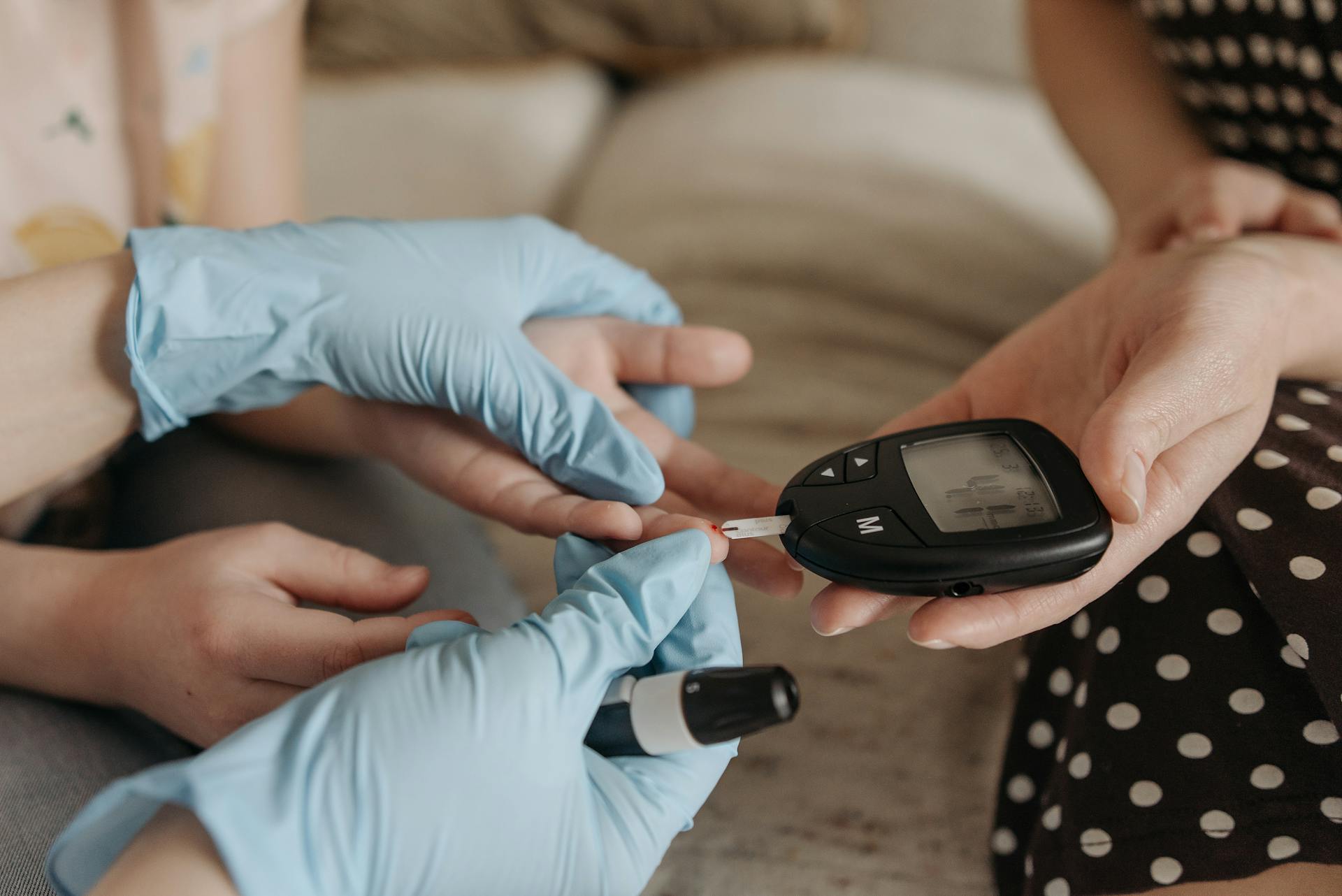
One isolated high reading is difficult to interpret. Home glucose meters can also have limitations, and the timing of the test matters.
Repeated elevated readings deserve more attention, particularly if you also have increased thirst, frequent urination, unexplained weight loss, unusual tiredness or blurred vision.
A doctor may recommend tests such as oral glucose tolerance test, fasting blood glucose and HbA1c. HbA1c gives an estimate of your average blood glucose over roughly the previous two to three months. It can therefore provide more useful information than reacting to one reading after a meal.
Prediabetes can exist before diabetes
Sometimes repeated glucose elevations are an early sign that the body is becoming less sensitive to insulin. This is commonly referred to as prediabetes.
You may have no obvious symptoms at this stage. That is why testing becomes more relevant if you have risk factors such as excess weight around the abdomen, a family history of diabetes, high blood pressure, abnormal cholesterol levels or a history of diabetes during pregnancy.
The important point is that a blood sugar spike is a measurement, not a diagnosis. If you occasionally see a higher reading after a heavy meal, intense exercise or a stressful day, it may be a temporary response. If the readings are repeatedly high, occur without an obvious trigger or are accompanied by symptoms, it is worth getting properly evaluated.
You can also make the information more useful by recording when you tested, what you ate, your activity level and whether you were unwell or stressed. A pattern over several days or weeks tells your doctor much more than a single number.
(By Dr. Bhanu Praveen Naidu, Consultant - Endocrinology, Manipal Hospitals, Vijayawada)
Disclaimer: The opinions expressed within this article are the personal opinions of the author. NDTV is not responsible for the accuracy, completeness, suitability, or validity of any information on this article. All information is provided on an as-is basis. The information, facts or opinions appearing in the article do not reflect the views of NDTV and NDTV does not assume any responsibility or liability for the same.