

)
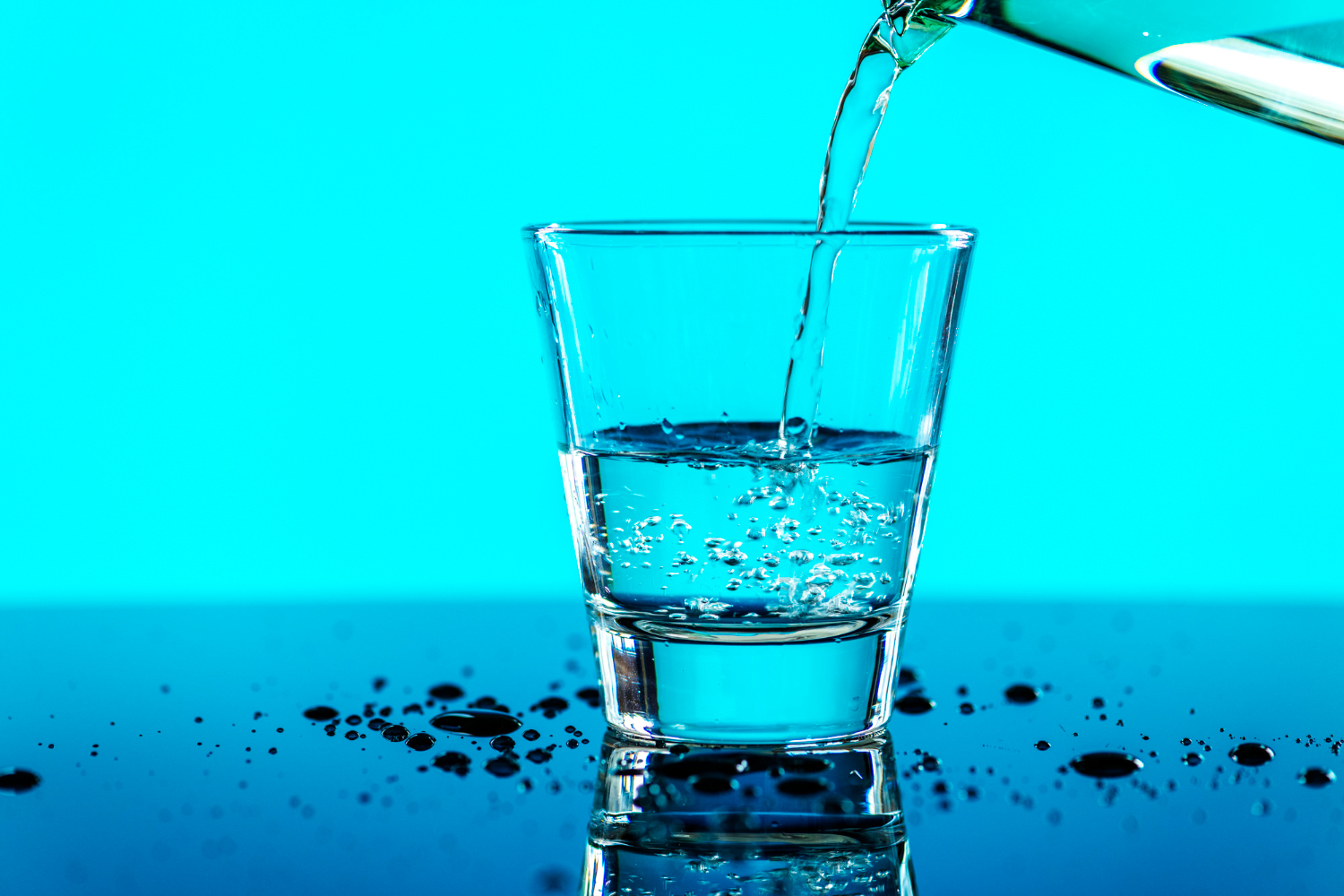
Hydrogen-infused water, often called hydrogen water or hydrogen-rich water (HRW), has become one of the latest trends in health and wellness circles. Unlike plain water that naturally contains hydrogen as part of its chemical structure (H2O), hydrogen water is regular drinking water with extra dissolved molecular hydrogen gas (H2) added through processes like electrolysis or by infusing hydrogen gas directly into the liquid. Advocates, especially those selling bottles that can automatically infuse your water with hydrogen, claim it can do everything from boosting energy and reducing inflammation to slowing aging and enhancing athletic performance. But does the science back up these claims?
Emerging research suggests that molecular hydrogen may have antioxidant and anti-inflammatory properties, influencing cellular health by neutralizing harmful free radicals and lowering oxidative stress, a contributor to aging and many chronic diseases. Despite its growing popularity, especially among fitness enthusiasts and wellness influencers, the evidence remains preliminary and limited, with most clinical studies small in scale. Leading medical databases have documented promising biological effects of hydrogen therapy, including when administered through hydrogen-rich water, but large-scale, rigorous human trials are still needed to confirm its real-world effectiveness.
What Is Hydrogen Water?
Hydrogen water is ordinary drinking water infused with extra molecular hydrogen gas (H2) that remains dissolved in the liquid. This added hydrogen is believed to act as a selective antioxidant, meaning it may neutralize specific free radicals that cause oxidative damage without interfering with beneficial cellular processes. The idea is that unlike standard water, the free hydrogen molecules in HRW can penetrate cell membranes and reach deeper tissues, potentially providing biological effects beyond hydration.
What The Research Says About Hydrogen Water
Although hydrogen water is marketed with a range of health claims, current research is emerging rather than definitive:
- Antioxidant and Anti-Inflammatory Effects: Systematic reviews of clinical and experimental studies suggest that hydrogen-rich water may reduce oxidative stress and inflammation, two factors linked to many chronic diseases.
- Clinical Quality of Life: In a controlled trial involving patients undergoing radiotherapy for liver tumours, hydrogen water reduced markers of oxidative stress and improved overall quality of life compared to plain water.
- Metabolic Health: Meta-analyses indicate that HRW consumption may modestly improve blood lipid profiles, including reductions in total cholesterol and triglycerides, markers associated with cardiovascular risk.
- Exercise and Endurance: Early studies suggest hydrogen water may reduce exercise-induced fatigue and improve endurance, likely through its antioxidant activity, though results vary between studies and populations.
However, it's important to note that most studies to date are small, short-term, and vary in methodology, limiting how confidently we can generalize results. Larger randomized controlled trials are still needed to confirm many of these potential benefits.
Who Might Benefit From Hydrogen Water
While evidence is not conclusive, certain groups may experiment with hydrogen water as part of a broader wellness approach:
- Athletes and active individuals: Early research shows potential for reduced oxidative stress and muscle fatigue after exercise, which could support recovery.
- Those seeking antioxidant support: Molecular hydrogen's selective antioxidant action may help counteract lifestyle-related oxidative stress, though results vary.
- People with metabolic risk factors: Preliminary data indicates slight improvements in lipid profiles and metabolic markers in some populations.
Important: Hydrogen water is not a replacement for medical treatment for chronic conditions like diabetes, heart disease or metabolic syndrome. Users should consult healthcare providers before relying on it for health management.
How To Try Hydrogen Water (Safely, For Maximum Benefits)
If you're curious about hydrogen water, here are common ways to consume it safely:
- Pre-packaged hydrogen water: Sold in sealed, non-permeable containers to preserve the dissolved hydrogen gas.
- Hydrogen tablets: Effervescent tablets that dissolve in water to release hydrogen gas.
- At-home hydrogen generators: Devices or bottles that infuse hydrogen into water via electrolysis.
Usage tips: Because molecular hydrogen can dissipate quickly, experts suggest drinking hydrogen water shortly after opening or preparation to maximize its potential effects.
Who Should Be Cautious Or Avoid Hydrogen Water
Hydrogen water is generally considered safe for most people, as molecular hydrogen is non-toxic and HRW contains no calories or harmful additives. However:
- People with serious medical conditions should consult a healthcare provider before adding hydrogen water to their routine.
- Pregnant or breastfeeding women should seek professional guidance due to limited research in these groups.
- Hydrogen water is not a replacement for medical treatment. Anyone with chronic diseases should continue prescribed treatments and not rely solely on hydrogen water.
Hydrogen water represents an intriguing health and wellness trend grounded in early scientific research suggesting potential antioxidant, anti-inflammatory and metabolic benefits. While these findings are promising, they remain preliminary, and larger, high-quality clinical trials are needed to confirm real-world effects. For now, hydrogen water can be experimented with as a complementary hydration choice, especially for athletes and individuals interested in oxidative stress support. However, it should not replace evidence-based treatments for chronic health conditions. Like any wellness trend, hydration, balanced nutrition and regular physical activity remain the foundation of good health.
Disclaimer: This content, including advice, provides generic information only. It is in no way a substitute for a qualified medical opinion. Always consult a specialist or your doctor for more information. NDTV does not claim responsibility for this information.