

)
In a major public health development, the Delhi government is set to declare human rabies a notifiable disease under the Epidemic Diseases Act, a move aimed at strengthening disease surveillance and response mechanisms across the national capital. Rabies, a viral zoonotic disease that affects the central nervous system and is almost always fatal once symptoms appear, remains a significant global health concern, especially in countries where dog-mediated transmission persists. Under this policy change, all government and private health facilities, from major hospitals to individual practitioners, will be legally required to report all suspected, probable and confirmed cases of human rabies to designated health authorities as soon as they are identified. This step is designed to close critical gaps in disease reporting, enable timely treatment and coordination, and inform more effective prevention efforts in high-risk areas.
Rabies has long been considered a 100% vaccine-preventable disease, yet it continues to claim thousands of lives globally, particularly in Asia and Africa, because of underreporting, lack of access to post-exposure prophylaxis (PEP) and gaps in animal vaccination. Declaring rabies as notifiable could transform how cases are tracked and managed in Delhi, with the ultimate goal of achieving zero human rabies deaths in the city.
What Is A Notifiable Disease?
A notifiable disease is one that, by law, must be reported to public health authorities when diagnosed or suspected, enabling real-time surveillance, rapid response and data-driven interventions. This framework has been used successfully for diseases like tuberculosis and COVID-19 to monitor trends and allocate resources efficiently.
Once human rabies is classified as notifiable in Delhi under the Epidemic Diseases Act, all health facilities will be bound to report cases immediately. This strengthens the Integrated Disease Surveillance Programme (IDSP), India's primary disease tracking system, helping public health authorities spot outbreaks early and intervene promptly.
Also Read: 6-Year-Old Dies After Dog Bite Despite Vaccination: 7 Possible Causes
Why Rabies Surveillance Matters
Rabies remains a critical global and national health issue:
- Fatality: Rabies is almost always fatal once clinical symptoms develop, making detection before symptom onset essential.
- Global burden: WHO estimates about 59,000 human deaths annually from rabies worldwide, with dog bites causing up to 99% of cases.
- India's share: India accounts for roughly 18,000-20,000 rabies deaths per year, with many cases occurring in children under 15.
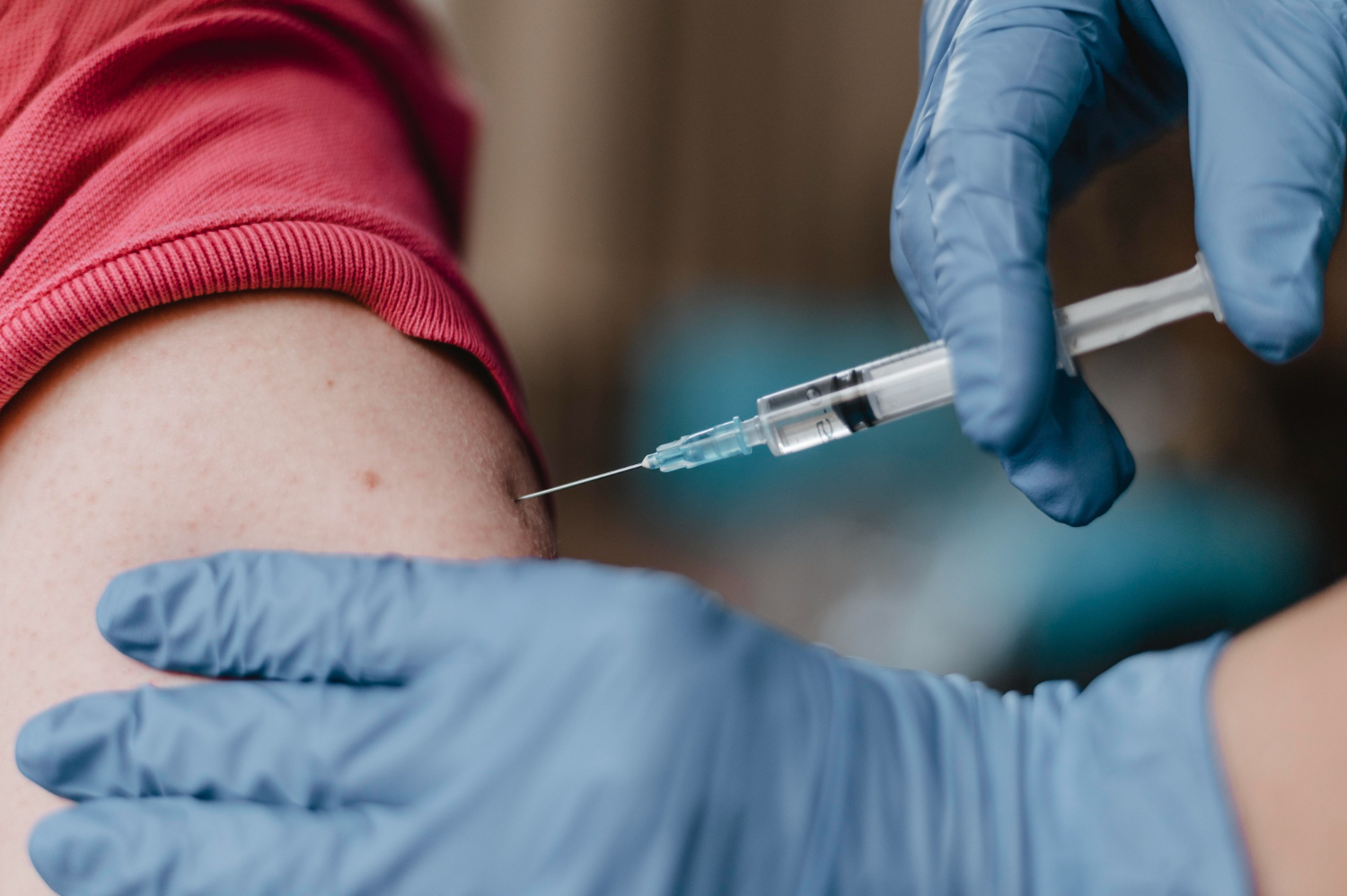
Despite being 100% vaccine-preventable with timely post-exposure prophylaxis (PEP), including wound care, vaccine and rabies immunoglobulin (RIG), gaps in reporting and access have hindered prevention efforts.
Expected Benefits of Human Rabies Notification
- Improved Surveillance and Data Accuracy: Mandatory reporting will give health authorities a clearer picture of rabies incidence in Delhi, addressing chronic underreporting and enabling targeted public health planning.
- Early Detection and Timely Treatment: When suspected cases are reported quickly, health systems can ensure rapid access to PEP and RIG before the virus reaches the nervous system, effectively preventing fatal outcomes.
- Strengthened One Health Coordination: Rabies control requires collaboration between human and animal health sectors. Mandatory reporting enhances coordination between hospitals, veterinary services and animal control programs, facilitating mass dog vaccination campaigns, a cornerstone of rabies elimination.
- Resource Allocation and Public Awareness: Reliable data strengthens the case for increasing rabies vaccine supplies, expanding treatment centers and raising community awareness about bite prevention and prompt care seeking.
Also Read: Fake Rabies Vaccine Advisory Explained: What Australia Warned, What India Clarified
Current Status of Rabies Prevention Efforts
Delhi already has a network of anti-rabies services, like anti-rabies vaccines (ARV) are available at 59 health facilities across all 11 districts, and rabies immunoglobulin (RIG) at 33 designated hospitals. These services are critical for timely PEP following exposure. However, without mandatory reporting, many cases, especially suspected or probable ones, may go undocumented.
The state government is also finalising a State Action Plan for Rabies Elimination (SAPRE) to coordinate vaccination, sterilisation and public education efforts with local bodies and the Animal Husbandry Department, reflecting a broader push to reduce rabies transmission.
Designation of human rabies as a notifiable disease in Delhi marks a significant shift in public health policy, one that could dramatically improve how rabies is tracked, treated and ultimately prevented. By mandating rapid reporting, enhancing surveillance and encouraging coordinated action between human and animal health sectors, this move has the potential to save lives and move Delhi closer to the goal of zero human rabies deaths. However, success will depend on effective implementation, continued investment in vaccination and post-exposure services, and increased public awareness about rabies prevention and care.
Disclaimer: This content including advice provides generic information only. It is in no way a substitute for a qualified medical opinion. Always consult a specialist or your own doctor for more information. NDTV does not claim responsibility for this information.