

)
Winter brings out the best of desi superfoods like turmeric, amla, ginger, and leafy greens— foods celebrated for their immune-boosting, antioxidant and anti-inflammatory powers. But there's a catch: eating these foods alone isn't always enough. Many nutrients especially curcumin from turmeric or vitamin C from amla are poorly absorbed by the body unless they're paired with the right bioenhancers or consumed in the proper way. Research shows that how you eat matters just as much as what you eat, and certain combinations and timing can significantly boost nutrient absorption, helping you reap winter's full health benefits. The following tips explain how to unlock more nutrition from winter desi foods in simple, practical ways for everyday Indian kitchens.
Tips to boost nutrient absorption healthy winter desi foods
1. Pair turmeric with black pepper
Curcumin, the active compound in turmeric, has low natural bioavailability, meaning most of it passes right through the gut unused. Piperine: the compound in black pepper can increase curcumin absorption by up to 2,000% when combined, enhancing its anti-inflammatory and antioxidant benefits, evidence shows.
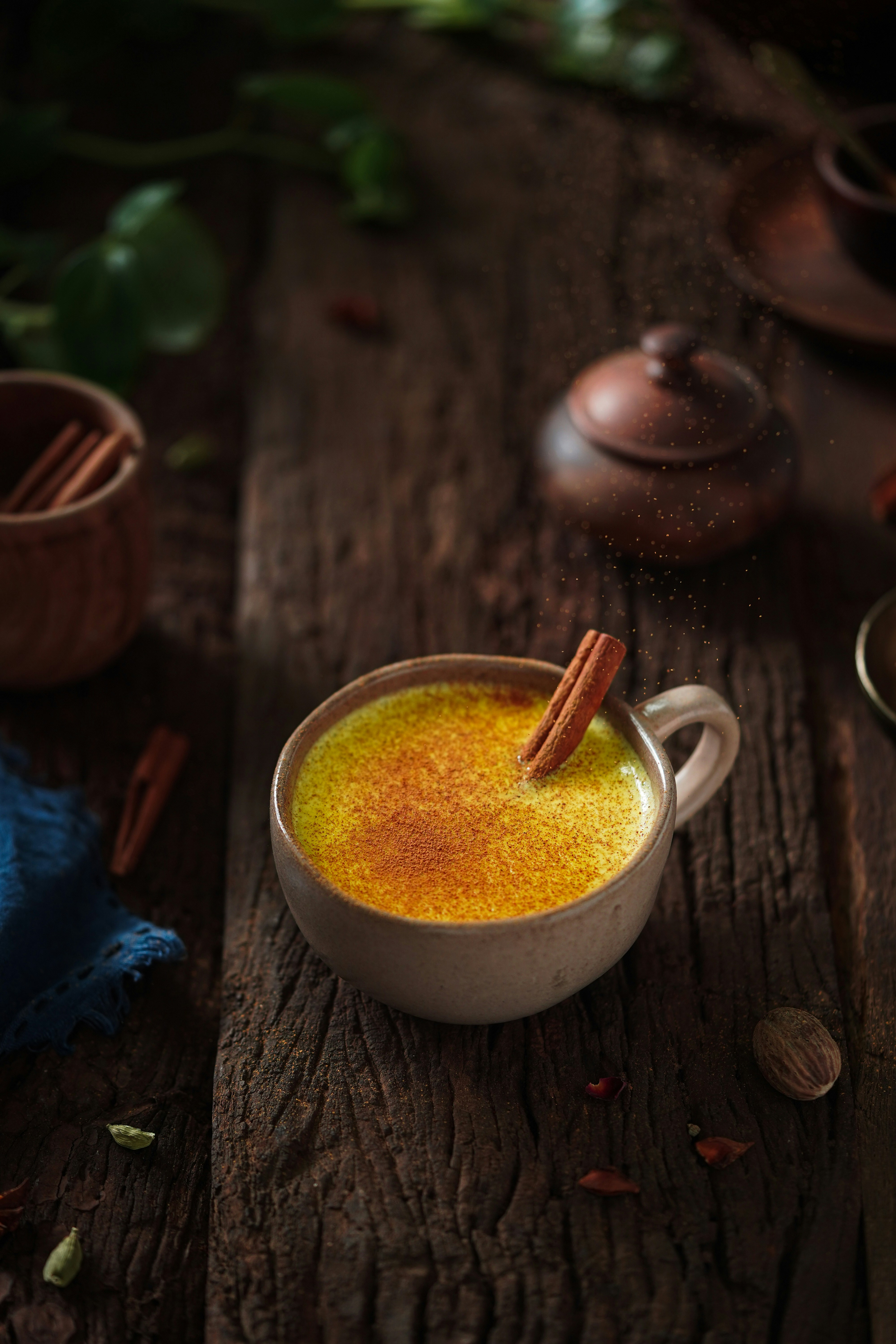
2. Consume turmeric with healthy fats
Curcumin is fat-soluble, which means it dissolves more readily in fat than in water. Eating turmeric with healthy fats such as ghee, olive oil or coconut oil helps it pass through the intestinal lining into the bloodstream more effectively.
3. Mix amla with black pepper
Amla is rich in vitamin C, which supports immunity, iron absorption and skin health. Studies show, pairing amla with black pepper's piperine not only aids digestion but may increase the bioavailability of vitamin C and antioxidants, making these nutrients more accessible to the body.
4. Use spices that stimulate digestion
Spices such as cumin, ginger and fennel can stimulate digestive enzymes and improve gut health, which indirectly enhances the body's ability to absorb nutrients from food.
5. Eat iron-rich foods with vitamin C sources
Non-heme iron found in plant foods like spinach, fenugreek and bajra is better absorbed when eaten with vitamin C-rich foods like amla, citrus or tomatoes. Studies show that vitamin C helps convert iron into a form that the body can more readily absorb.
6. Warm your spices
Heat can enhance the release of some phytonutrients. For instance, lightly roasting turmeric, black pepper and ginger together before adding water or dals can help release their beneficial compounds and improve uptake in the gut.
7. Include probiotic foods with vitamin-rich ingredients
Probiotic foods like yogurt/dahi help maintain a healthy gut microbiome, a key factor in nutrient absorption. When amla or turmeric is paired with probiotic foods, the overall digestive environment becomes more conducive to absorbing vitamins and minerals, according to studies.
8. Don't overload on fibre at once
While fibre is essential for gut health, rapidly increasing high-fibre foods can sometimes bind nutrients like curcumin and reduce their absorption in the short term. Balance fibre intake across meals and pair with fats and spices that enhance nutrient uptake.
9. Pair fat-soluble nutrients with fats
Vitamins A, D, E and K, commonly found in winter foods like carrots, ghee and leafy greens, require dietary fats for absorption. Pair these foods with healthy fats such as ghee or nuts to ensure their benefits aren't lost.
10. Drink warm water or digestive teas after meals
Warm water or digestive teas post-meal can help ease digestion and allow nutrients to be more fully processed and absorbed. Herbs like ginger and fennel in teas are particularly helpful for stimulating digestive juices.
Winter desi superfoods like turmeric, amla, ginger, leafy greens and spices are nutritional goldmines but only if the body can actually use what's in them. Pairing foods intelligently, cooking with fats and helpful spices, and combining micronutrient sources thoughtfully can transform your winter diet from “just healthy” to truly nourishing and effective.
Disclaimer: This content including advice provides generic information only. It is in no way a substitute for a qualified medical opinion. Always consult a specialist or your doctor for more information. NDTV does not claim responsibility for this information.
References
Optimal Bioavailability of Turmeric Extract (bioavailability and piperine effect), Natural Supplements Bioavailability Study, 2025.
Impacts of turmeric and its principal bioactive curcumin on human health, Frontiers in Nutrition, 2022.
Food synergy and nutrient interactions in absorption, Ion.ac.uk Nutrient Pairings, 2025.
Herbal bio enhancers for nutrient absorption, Journal of Current Research in Food Science, 2025.