

)
Over generations, Indian households have turned to “desi superfoods” for their comforting warmth and presumed health benefits. But beyond tradition, there is growing scientific evidence that many of these foods do offer real benefits: antioxidants, immune support, inflammation control, better digestion, and more. These foods can help protect you from common winter diseases and boost your overall health. Here's a curated list of desi superfoods which you should consider including in your winter diet.
Best desi winter superfoods to add to your diet
1. Turmeric
The star of Indian kitchens, turmeric isn't just for flavour and colour. Curcumin, turmeric's main bioactive, is a potent antioxidant, anti-inflammatory and immune-modulator. Cold weather and pollution often bring inflammation and oxidative stress on the body. Turmeric helps curb that. Curcumin's bioavailability is generally low, so pairing with fats (like ghee) or black pepper helps.
2. Ginger & garlic
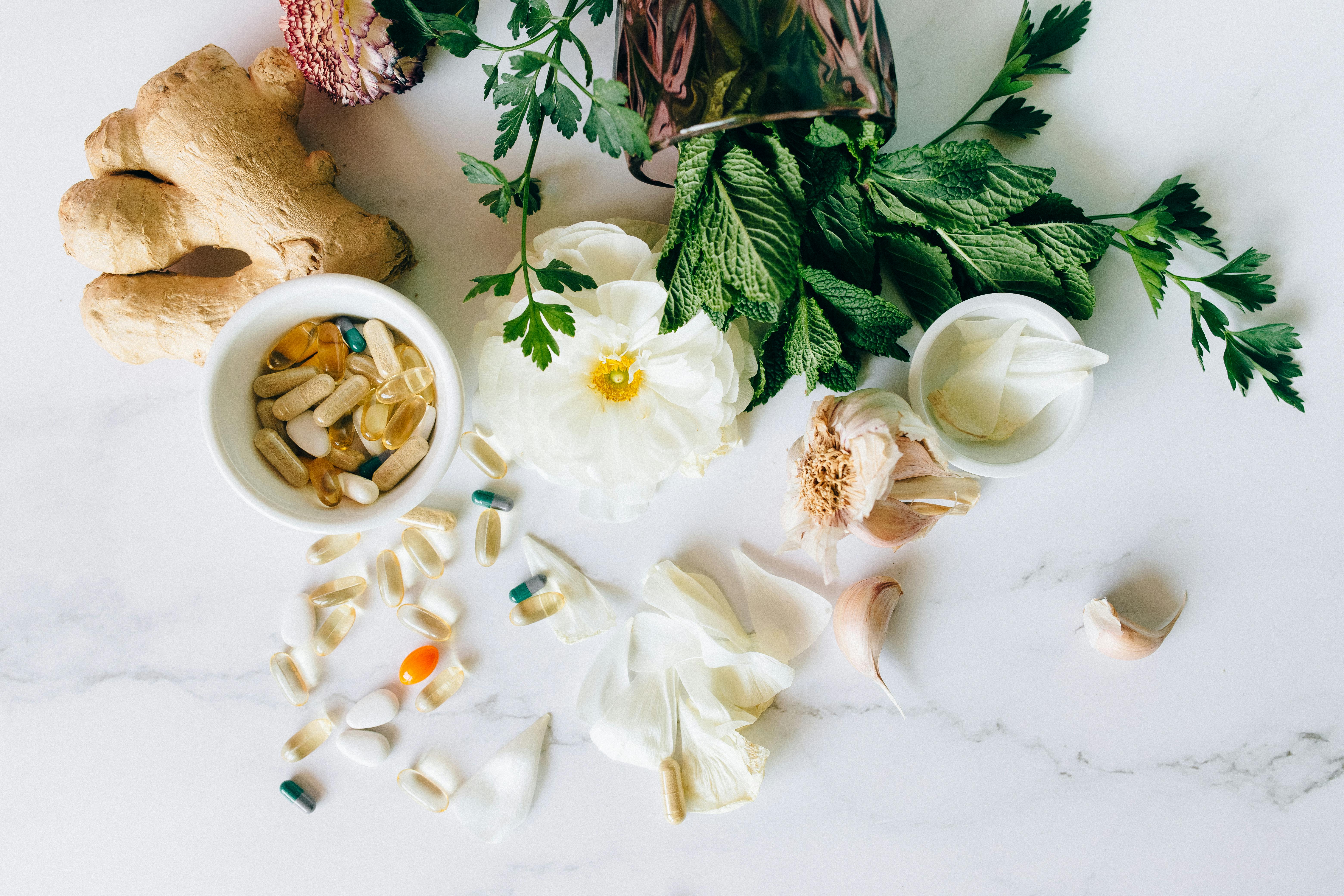
They are not just taste-givers, ginger and garlic are little immunity warriors. Both have anti-inflammatory, antimicrobial and antioxidant properties. They support digestion, help clear mucous, and may reduce severity of colds and respiratory hassles. Add crushed or chopped ginger/garlic in dals, sabzis, soups, rasam; or sip warm ginger-turmeric tea on cold mornings.
3. Nuts & seeds
A small handful daily of mixed nuts or seeds can do wonders in winters (and all year round). They are abundant in healthy fats, plant-based protein, fibre, vitamin E, minerals like zinc, selenium, magnesium and antioxidants. Shows better immune cell function, protection from oxidative stress, heart-health benefits, possible reduced risk of chronic diseases.
4. Ghee
Ghee has long been associated with warmth, energy and joint comfort during winters and there's good reason. It's a rich source of fat-soluble vitamins (A, D, E, K), which are vital for immunity, bone health and healthy skin and joints. Add a spoonful to your rotis, rice, dals or vegetables. Use it for cooking or in haldi-doodh.
5. Amla
Amla is among the richest natural sources of vitamin C which is a critical nutrient for immune defence, making it a must in winter. Vitamin C and antioxidants in amla help support immunity, help fight seasonal infections, boost skin health, and aid recovery.
6. Root & winter vegetables
Winters in India bring a bounty of seasonal roots and tubers and they're more than just warming. Many are packed with micronutrients and antioxidants. They are rich in fibre, beta-carotene, potassium and other nutrients which are good for immunity, digestion, skin, vision and energy sustenance.
7. Mixed herbs & spices
These small additions like tulsi, black pepper, cinnamon, cloves, etc. can make a big difference in keeping seasonal illnesses like cold, cough, allergies, and digestion problems at bay. Many spices have antimicrobial, antioxidant or anti-inflammatory properties. They support respiratory health, digestion, and overall resilience.
8. Balanced winter meals
Eating one or two “superfoods” may help, but the real magic lies in a balanced, nutrient-rich winter diet. That means combining protective spices, healthy fats, vegetables, fruits, nuts/seeds, basically the wholesome, traditional Indian diet many of us grew up with. Nutrition experts widely recommend that such a holistic approach helps build sustained immunity and vitality.
Don't rely on just one “miracle” food. Instead, aim for a balanced winter diet including spices, vegetables, nuts, healthy fats, which together support immunity, warmth, digestion, skin, joint and overall health.
Disclaimer: This content including advice provides generic information only. It is in no way a substitute for a qualified medical opinion. Always consult a specialist or your doctor for more information. NDTV does not claim responsibility for this information.
References
Curcumin: A Review of Its Effects on Human Health. NCBI (National Library of Medicine), 2017.
The Impact of Curcumin on Immune Response. NCBI, 2022.
Curcumin, an active component of turmeric: biological and therapeutic properties. NCBI, 2025.
Nuts and Seeds Consumption and Health Outcomes: An Umbrella Review. NCBI, 2022.