

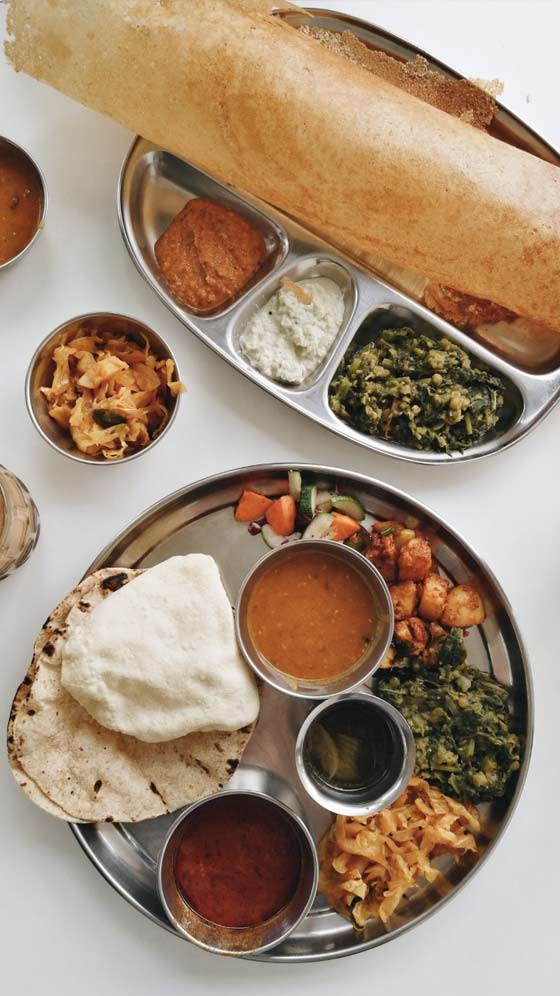
)
Winter shifts taste for warm, comforting foods, and quietly changes the way our metabolism responds to meals. Choosing the right foods for an evening meal in cold weather therefore has two payoffs. One, it helps keep you warm and comfortable, and second, it can support digestion, satiety and immunity when chosen smartly. But winter dinners shouldn't mean heavy, greasy plates that slow you down. Making healthy dinner choices can maintain weight, help you avoid sluggishness and also boost overall health. Keep reading as we share some must-haves to add to your winter diet.
Desi must-haves for a healthy winter dinner
1. Lentils
Lentils such as dal and chana are high in plant protein and fibre which keeps us full, stabilises blood sugar and supports gut health. Make a light, well-tempered dal with minimal oil. Add a spoon of ghee at the end for taste and nutrient absorption.
2. Whole millets
Denser carbohydrates with more fibre and minerals than refined wheat or white rice give sustained warmth. Replace one or two wheat rotis with bajra or jowar rotis during the week and serve hot with a dal or vegetable sabzi.
3. Seasonal greens
Seasonal greens such as palak, sarson, methi and bathua are packed with vitamin C, iron and folate. These winter varieties have good nutrient density and support immunity. Quickly stir-fry or make a sookhi sabzi and pair with a dal so iron absorption improves as vitamin C helps.
4. Root vegetables
Root vegetables like carrots and sweet potatoes contain complex carbs and micronutrients. They also roast or stew well and keep you warm. Roast with cumin and a pinch of pepper, or add to sambar or rasam.
5. Ghee
Ghee has concentrated calories for warmth, aids absorption of fat-soluble vitamins, and is traditionally used to soothe digestion. Use a teaspoon to finish dals or lightly roast spices and keep portions modest (1–2 tsp).
6. Ginger and warming spices
Ginger and warming spices such as pepper, cinnamon and cloves are thermogenic, improve circulation and digestion. Add fresh ginger to dals and soups; use pepper and cinnamon sparingly in gravies.
7. Fermented sides
Fermented foods support gut microbiome which in turn supports immunity and digestion. Include a small bowl of warm spiced curd or buttermilk with dinner if it suits you.
8. Protein additions
Evening protein increases satiety and supports muscle repair. A small grilled fish or a paneer bhurji with veggies can be a great addition to your dinner in winter. Always avoid heavy frying.
9. Amla
Vitamin C from amla supports immunity and helps iron uptake from plant foods. Make a raw or lightly cooked chutney or consume chopped guava or seasonal fruits as dessert.
10. Warm soup/rasam/clear broth to start
Gentle on digestion, helps hydration, warms the body and may reduce overeating at the main course. Begin with a small bowl of rasam, tomato soup with dal stock, or a clear vegetable broth.
Keep dinners earlier and lighter than lunch when possible as large late meals are linked with higher BMI in long-term studies.
Disclaimer: This content including advice provides generic information only. It is in no way a substitute for a qualified medical opinion. Always consult a specialist or your doctor for more information. NDTV does not claim responsibility for this information.
References
Diet-induced thermogenesis — NCBI — 2004.
Diet-induced thermogenesis: fake friend or foe? — Journal of Endocrinology / Bioscientifica — 2018.
Twice as High Diet-Induced Thermogenesis After Breakfast than After Dinner (meal-timing and BMI study) — The Journal of Clinical Endocrinology & Metabolism (JCEM) — 2020.
Role of Turmeric and Curcumin in Prevention and Treatment of Disease — NCBI — 2023.
Health benefits of ghee: Review of Ayurveda and modern evidence — NCBI — 2024.
Food Type and Lentil Variety Affect Satiety Responses / related lentil-satiety trials — ScienceDirect / Journal of Nutrition Research — 2019–2024.