

)
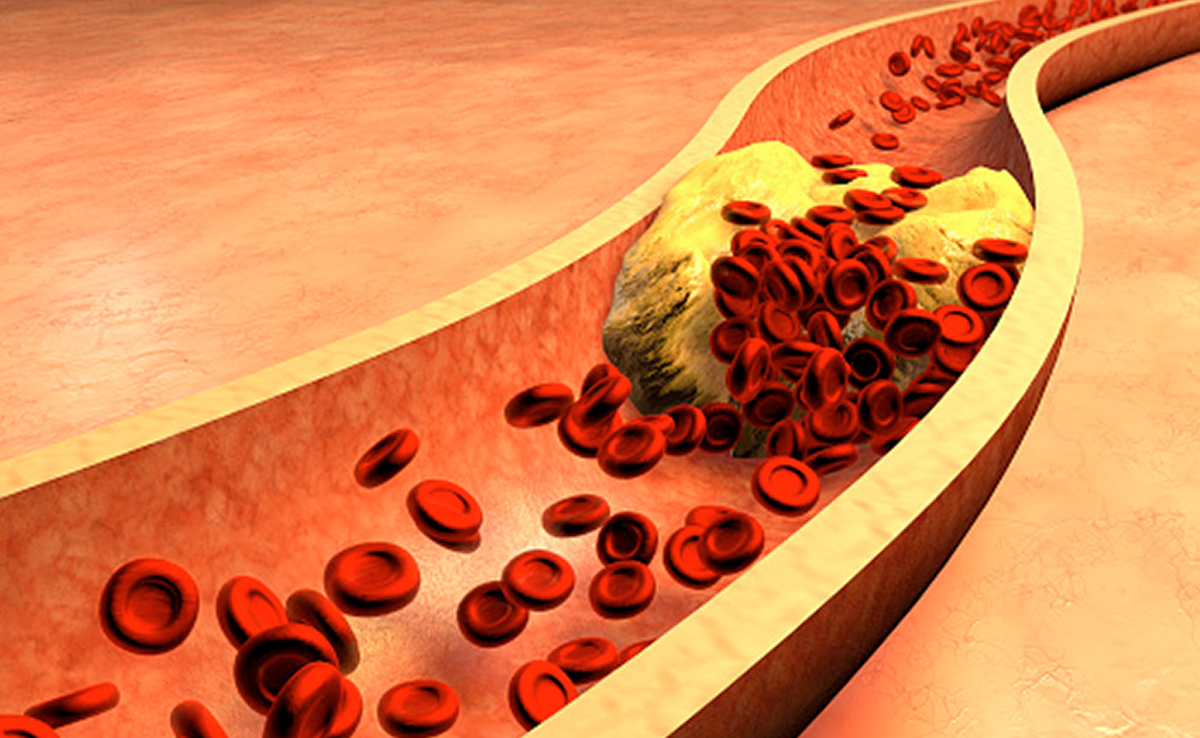
Just like hypertension, high cholesterol has become an increasingly common health issue in today's fast-paced world. This is primarily due to a lack of physical activity, poor dietary choices, rising obesity rates, and unhealthy lifestyle habits. If left untreated, high cholesterol can lead to serious health complications, including heart disease, stroke, and other cardiovascular problems. Elevated levels of LDL (low-density lipoprotein) cholesterol contribute to plaque buildup in the arteries, which can result in atherosclerosis, a condition where arteries become narrowed or blocked, significantly increasing the risk of heart attacks.
While many people are aware of the adverse effects of poor cholesterol on heart health, few realise the broader impacts of this condition. High cholesterol can also increase the risk of blood clot formation, which may lead to strokes. If a blood clot forms in an artery that supplies blood to the brain, it can cause a stroke. Additionally, some individuals may experience pain or cramps during physical activities, as high cholesterol can limit blood flow to the limbs. Therefore, maintaining healthy cholesterol levels is crucial for cardiovascular health and overall well-being.
If you have recently been diagnosed with high cholesterol, here are some dietary and lifestyle changes you should implement immediately to safeguard your health:
Tips to improve and maintain healthy cholesterol levels:
1. Eat a heart-healthy diet
Focus on consuming a diet rich in fruits, vegetables, whole grains, and legumes. Opt for healthy fats, such as those found in olive oil, avocados, and nuts, while reducing your intake of saturated fats. Incorporate foods high in omega-3 fatty acids as well.
2. Exercise
Aim for at least 150 minutes of moderate-intensity exercise each week or 75 minutes of vigorous exercise. Studies indicate that activities like walking, jogging, cycling, or swimming can help raise HDL (high-density lipoprotein) cholesterol, which helps remove LDL cholesterol from the bloodstream.
3. Maintain a healthy weight
Losing even a small percentage of excess weight can lower LDL cholesterol levels and improve overall heart health.
4. Limit alcohol consumption and quit smoking
Excessive alcohol intake can negatively affect heart health. If you smoke, quitting can improve your HDL cholesterol levels and enhance your cardiovascular health overall.
5. Monitor your cholesterol levels
Regular cholesterol monitoring is essential, especially as you age or if you have a family history of heart disease. Frequent check-ups with your doctor can help track your cholesterol levels and determine if lifestyle changes or medication are necessary.
6. Manage stress
Uncontrolled stress can have physical and mental health repercussions, and chronic stress can contribute to high cholesterol levels. Consider stress-reduction techniques, such as mindfulness, yoga, or engaging in hobbies.
While these proactive measures can help you improve your cholesterol levels, it is important to consult your doctor if your levels are abnormal. In some cases, medication may be prescribed if lifestyle changes are insufficient.
Disclaimer: This content including advice provides generic information only. It is in no way a substitute for a qualified medical opinion. Always consult a specialist or your own doctor for more information. NDTV does not claim responsibility for this information.