



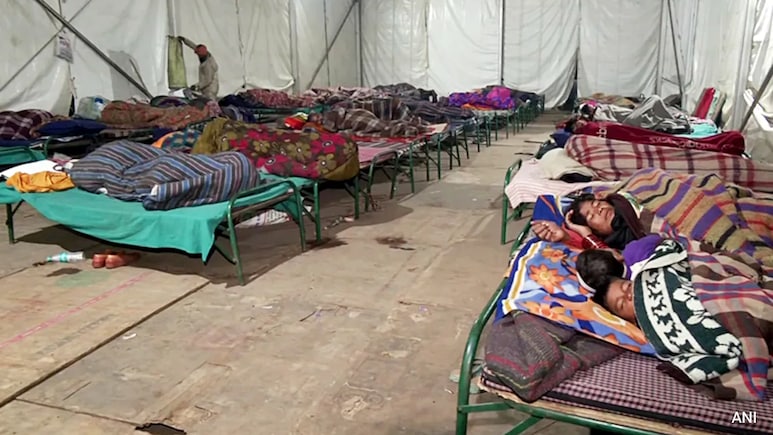
As Delhi reels under its coldest December spell in years, with night temperatures crashing below 5 degrees Celsius and a brutal cold wave gripping the capital, over 46,000 homeless people fight for survival on its streets - many of them are women forced to sleep alongside men in crowded makeshift tents, exposing them to risks of harassment and assault.
That reality came to light during late-night surprise inspections by Urban Development Minister Ashish Sood, prompting the Delhi Urban Shelter Improvement Board (DUSIB) to issue an urgent order today mandating immediate gender segregation in all temporary night shelters.
"Such an arrangement poses significant concerns regarding the safety, dignity, and privacy of female residents," the DUSIB directive warned, singling out mixed accommodations found at high-footfall locations like AIIMS.
With 197 permanent shelters and up to 250 pagoda-style tents, offering nearly 20,000 beds under the Winter Action Plan, the government has vowed zero tolerance for lapses that endanger women, even as rescue teams scramble to bring every homeless person indoors before the mercury dips further.
Sood, who has been on nocturnal checks to gauge winter preparedness, inspected over 25-26 temporary shelters in a single night last week, followed by visits to facilities at Hanuman Mandir and Chabi Ganj's women's wing on Sunday.
During these tours, the minister reviewed essentials like bed availability, warm blankets, heating arrangements, and overall hygiene, emphasising a "sensitivity and a humane approach" in operations.
"No one must sleep out in the cold," Sood declared, announcing plans to roll out over 200 new pagoda-style shelters and waterproof tents at high-need locations to shield the homeless from plummeting temperatures.
Collectively, these facilities boast a total capacity of approximately 19,794 beds across 325 shelter homes, including provisions for hot meals, medical aid, and biometric-monitored staff attendance to ensure accountability.
Temporary tents, each accommodating 10 to 12 people, are equipped with basic amenities like cots, quilts, and sanitation points, though critics have noted inconsistencies in occupancy reporting, with official figures showing under 30% utilisation in permanent shelters despite ground-level demands.
The directive instructs all Shelter Management Agencies (SMAs) to review and segregate pagoda shelters by gender "without delay", with compliance reports due immediately to the Chief Engineer's office.
Delhi's homeless population, estimated at over 46,000 by recent censuses, relies heavily on these shelters during winters, when exposure to cold has claimed lives in past seasons - 180 reported deaths last year alone.
DUSIB officials confirmed that segregation measures, including separate entry points and partitioned spaces, will be implemented across all temporary sites by week's end, ensuring "the rights, dignity, and personal security of female occupants" remain paramount. As the capital shivers through its coldest December in years, these steps offer a critical layer of protection for those without a roof.
Track Latest News Live on NDTV.com and get news updates from India and around the world

