

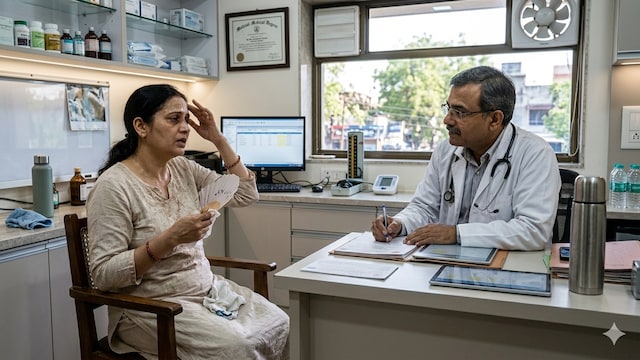
Heatwaves do not just cause discomfort they can place serious stress on the heart and blood vessels. During extreme summer temperatures, both high blood pressure and low blood pressure can become dangerous. However, doctors say low blood pressure caused by dehydration often becomes a more immediate threat during severe heat exposure. According to Dr Sanjay Verma, Associate Director, Internal Medicine, Fortis Escorts Heart Institute, rising temperatures affect the body's ability to maintain normal circulation and regulate heat effectively, particularly in vulnerable individuals. During hot weather, blood vessels naturally widen to help the body release excess heat. At the same time, heavy sweating leads to loss of fluids and essential salts. This combination may sharply lower blood pressure, causing dizziness, weakness, dehydration, fainting, and in severe situations, heat exhaustion or heatstroke. Elderly people, diabetics, outdoor workers, and individuals taking blood pressure medicines or diuretics are considered especially vulnerable.
Why Low Blood Pressure Can Become Dangerous Faster
Dr Verma explains that dehydration-related low blood pressure can quickly reduce blood flow to vital organs. This may lead to confusion, collapse, kidney stress, and dangerous overheating of the body.
In younger and otherwise healthy adults, temporary low blood pressure due to fluid loss is often more common during heat exposure and may become severe if hydration is ignored.
Also read: The Silent Signs Of Hypertension You Are Probably Ignoring In Your 30s
The Risks Of High Blood Pressure During Extreme Heat
At the same time, uncontrolled high blood pressure also carries major risks during heatwaves. The heart needs to work harder to maintain circulation and body temperature regulation under extreme conditions. Heat stress may increase the risk of heart attacks, strokes, irregular heart rhythms, or worsening heart failure in people with pre-existing cardiovascular disease.
"Some patients stop taking blood pressure medicines during summer because of dehydration fears, which can further destabilise blood pressure control and increase complications," warns Dr Verma.
Who Faces The Highest Risk?
Experts say older adults and people with chronic hypertension are particularly vulnerable because both high and low blood pressure can become life-threatening if ignored. Children, individuals with diabetes, heart disease patients, and those exposed to direct outdoor heat for long hours also face a higher risk of severe heat-related complications.
Warning Signs That Need Immediate Attention
Doctors advise seeking urgent medical care if symptoms such as confusion, chest pain, fainting, severe breathlessness, persistent vomiting, inability to sweat, or body temperature above 40 degree C appear during a heatwave. These symptoms may indicate heatstroke or serious cardiovascular stress.
How To Stay Safe During Heatwaves
Experts recommend drinking fluids regularly even before feeling thirsty and increasing electrolyte intake during excessive sweating. Avoiding direct sun exposure during peak afternoon hours is equally important. People with hypertension or heart disease should monitor their blood pressure regularly and never stop prescribed medicines without consulting a doctor. Wearing loose light-coloured clothing and staying in ventilated or cooled spaces can also help reduce heat stress.
Also read: How Often Should You Check Your Blood Pressure For Your Heart's Safety? Doctor Answers
Which Is More Dangerous?
"The answer depends on an individual's overall health condition. While both high and low blood pressure can worsen during heatwaves, dehydration-related low blood pressure often becomes dangerous more rapidly because it can quickly affect circulation, hydration levels, and organ function, says Dr Verma, adding, experts stress that awareness, hydration, and timely medical attention remain the most effective ways to prevent serious heat-related complications.
Disclaimer: This content including advice provides generic information only. It is in no way a substitute for a qualified medical opinion. Always consult a specialist or your own doctor for more information. NDTV does not claim responsibility for this information.