

)
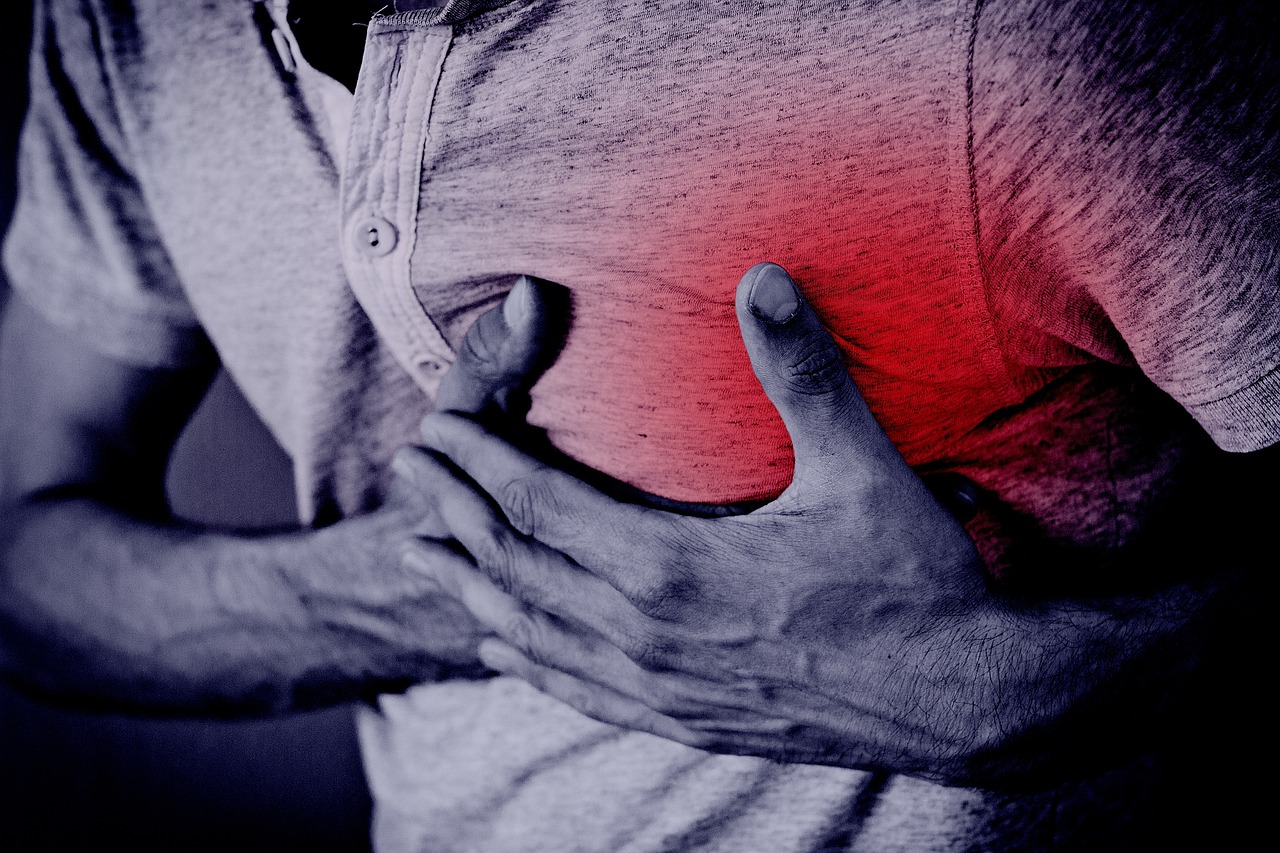
The rising cases of heart attacks in young, lean individuals have shifted the focus to the cholesterol levels of people. People assume that if their cholesterol levels are normal, then they have a low risk of a heart attack. But the heart functions based on the levels of multiple lipids that influence its health. The state of your heart health depends on markers that collectively influence its overall condition. These hidden lipids are not captured in routine heart health tests, which means solely relying on the cholesterol level indicated in your blood test is futile. The levels of total cholesterol alone are not a complete marker of optimal heart health; the risk of heart attack is based on lipid particle size, inflammation, and genetic predisposition towards heart-related ailments.
The "Other Lipids" Damaging Hearts
1. Lipoprotein(a) [Lp(a)]
According to the American Heart Association, lipoprotein (a) measures the cholesterol-carrying lipoprotein in your blood. The level of it is mostly based on genetic factors, and when it is high, the risk of heart disease increases. In lean individuals, with an absence of visible fat, people often assume that internally, it is the same, which can vary. Certain people, despite being visibly lean, have a higher body fat deposit on their organs, which makes them more susceptible to diseases.
2. Triglycerides
Triglycerides are the most common type of fat in your blood. They store extra calories that your body doesn't need and release them when required. When they are released as energy in between meals, they also act as the main storage for the form of fatty acids in the body. Even lean Indians can have high triglycerides depending on their diet, and high triglycerides are associated with insulin resistance.
3. Small, Dense LDL
Another marker of heart health is the level of small, dense LDL that is considered more dangerous than regular LDL (bad) cholesterol that builds up plaque in the heart's arteries. These smaller and heavier particles exist in different sizes and densities, which makes them a dangerous marker of heart health.
4. Low HDL (Good Cholesterol)
The absence of good fats in the body can increase the risk of heart disease, which can be indicated by the level of low HDL in the blood report. It is common in South Asians despite a healthy weight, which means that focusing on your healthy fat consumption is crucial to boost heart health.
Also Read: Is Stress The New Normal? Here's How It Silently Strains Your Heart
Why Lean Indians Are at High Risk
Lean Indians remain at a higher risk of heart disease, as the level of harmful fats in their bodies exists but is not visible. This is known as the "thin-fat Indian phenotype", which makes people assume that they are healthy, but their internal health may be on the brink of disease. The amount of visceral fat, despite a low body mass index, is a hallmark sign of possible heart health issues.
This risk increases even further when a sedentary lifestyle is followed along with a high-carb diet.
Warning Signs You Should Not Ignore
The heart, when under attack internally, tends to exhibit warning signs that can make it difficult for people to maintain their heart health. Here are possible warning signs that you should not ignore and make sure to seek timely medical screening:
- A family history of heart disease increases the chances of heart-health complications.
- Borderline high triglycerides mean that heart health is at risk and needs attention.
- Fatigue and low stamina are signs that your heart is struggling to perform its functions.
- Central obesity (belly fat, even if thin) is possible, which means seeking thorough medical testing is necessary.
Tests Doctors Recommend Beyond Cholesterol
Beyond the normal cholesterol panel, people need to get these tests done to make sure all lipids are balanced, and their heart is healthy. Here is how you need to make sure that your heart health is under your control.
- Lipoprotein(a) Test
- ApoB Levels
- Triglyceride-to-HDL Ratio
- Hs-CRP (inflammation marker)
Dr Vinayak Agrawal, Senior Director and Head, Non-Invasive Cardiology, Fortis Gurgaon, explains, "A normal cholesterol report is often taken as reassurance that the heart is healthy. In practice, this assumption is being challenged more frequently, with heart attacks occurring in individuals whose routine reports do not indicate high risk."
He adds, "Many Indians with normal cholesterol still develop heart disease due to genetically high Lp(a) or metabolic risks."
Also Read: The Dark Side Of Whey? Why Too Much Protein Could Be Risking Your Heart Health
How To Protect Your Heart
You need to protect your heart by ensuring that you are able to prioritise healthy habits that can sustain it. Here is what you need to do to maintain a heart-healthy approach:
- Increase protein intake, as your diet is tied to how well your heart is able to pump blood throughout your body.
- Cut refined carbs/sugars as they increase internal stress on the heart.
- Regular cardio and strength training to strengthen the muscles of the heart.
- Monitor an advanced lipid profile to ensure that your heart is able to function properly.
- Avoid smoking or drinking and manage your stress levels to curb the side effects on heart functioning.
A normal cholesterol report doesn't provide a full picture of your heart health. Indians, especially those who are lean, need to pay attention to multiple lipids that determine how their heart is functioning. Through the medically backed prevention strategies and advanced testing periodically, you can minimise the risk of heart disease.
Disclaimer: This content including advice provides generic information only. It is in no way a substitute for a qualified medical opinion. Always consult a specialist or your own doctor for more information. NDTV does not claim responsibility for this information.