

)
Despite advances in healthcare, non-communicable diseases (NCDs) continue to pose the greatest threat to men's health in India. Heart disease, diabetes and cancer account for a significant proportion of premature deaths and disability, with changing lifestyles, unhealthy diets, tobacco use, physical inactivity and chronic stress driving the growing burden of these conditions.
According to the World Health Organization (WHO), non-communicable diseases are responsible for nearly 74% of all deaths globally, while cardiovascular diseases alone account for around 17.9 million deaths every year. India is witnessing a similar trend, with heart disease emerging as the leading cause of mortality, alongside a rapid rise in diabetes and several preventable cancers.
"Heart disease, diabetes, and cancer are among the most serious health challenges affecting men in India today. These diseases account for a large number of deaths and disabilities every year and have become increasingly common due to rapid changes in lifestyle and living conditions," says Dr Satish Koul, Principal Director and Unit Head - Internal Medicine, Fortis Memorial Research Institute, Gurugram.
Experts say that while genetics may play a role, many of the biggest risk factors, including smoking, obesity, unhealthy eating habits, excessive alcohol consumption and lack of exercise, are modifiable, making prevention one of the most powerful tools in improving men's health.
Heart Disease: India's Leading Killer Of Men
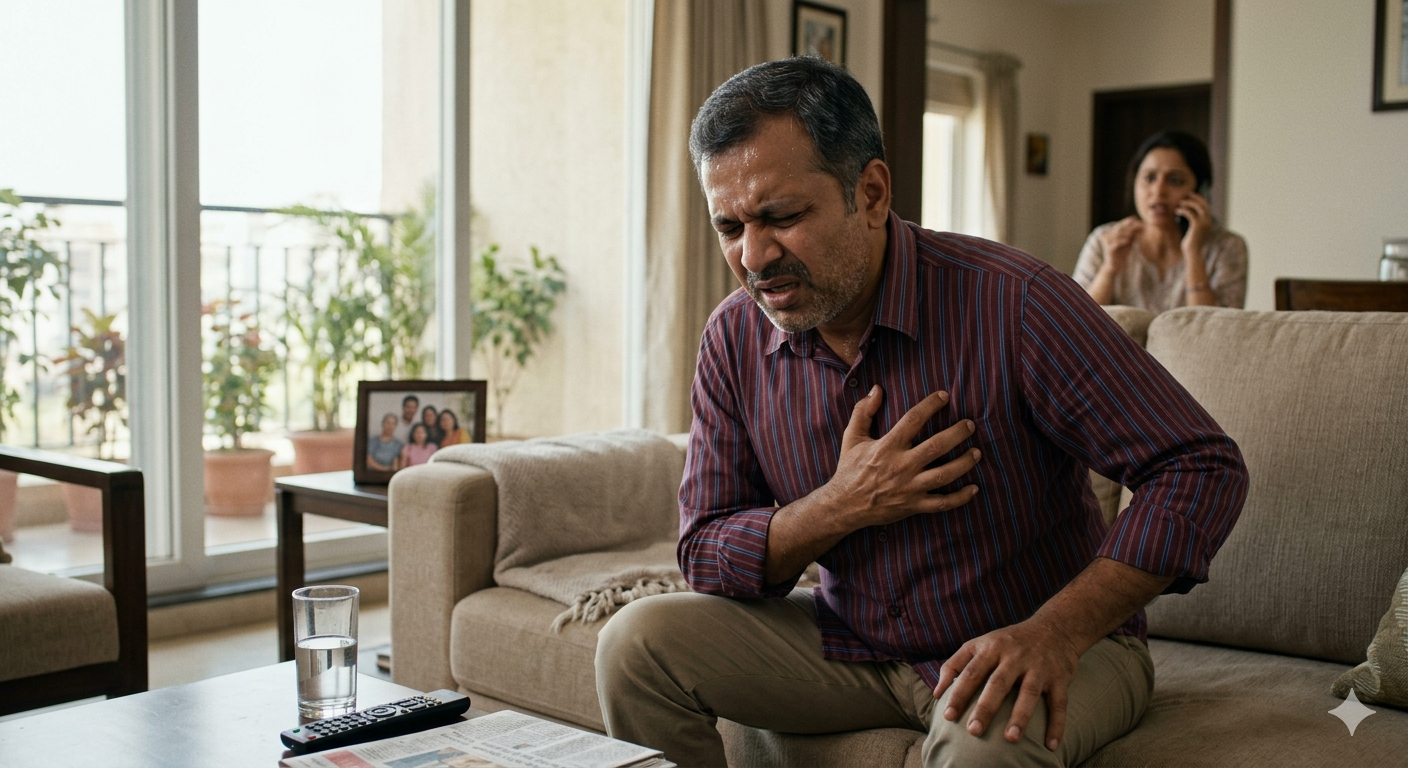
Cardiovascular disease remains the leading cause of death among Indian adults. The WHO estimates that cardiovascular diseases account for more than one-quarter of all deaths in India, with heart attacks and strokes contributing the largest share. "Factors such as high blood pressure, high cholesterol levels, obesity, smoking, lack of exercise, and chronic stress contribute significantly to cardiovascular problems," explains Dr Koul.
Many men ignore early warning signs such as chest pain, breathlessness, unexplained fatigue, dizziness or palpitations, delaying diagnosis until serious complications occur. The American Heart Association and WHO recommend regular blood pressure monitoring, cholesterol screening, maintaining a healthy body weight, engaging in at least 150 minutes of moderate physical activity each week, and avoiding tobacco to lower cardiovascular risk.
Diabetes: India's Growing Public Health Challenge
India has one of the largest populations living with diabetes in the world. According to the International Diabetes Federation (IDF) Diabetes Atlas 2025, over 101 million adults in India are living with diabetes, while millions more have prediabetes, placing them at high risk of developing the disease.
"The country is often referred to as the 'diabetes capital of the world' due to the rising number of cases," says Dr Koul. "Unhealthy eating habits, excessive consumption of processed foods, physical inactivity and genetic predisposition are major contributing factors."
If poorly controlled, diabetes can damage multiple organs and increase the risk of:
- Heart disease
- Stroke
- Kidney disease
- Vision loss
- Nerve damage
- Foot ulcers
The WHO notes that maintaining a healthy weight, limiting sugar and processed food intake, staying physically active and monitoring blood glucose regularly are among the most effective strategies for preventing or delaying Type 2 diabetes.
Cancer: Early Detection Can Save Lives
Cancer is another major cause of illness and death among Indian men. According to the International Agency for Research on Cancer (IARC), oral cancer, lung cancer and prostate cancer are among the most frequently diagnosed cancers in men. "Cancer also poses a significant threat to men's health in India. Oral cancer, lung cancer, and prostate cancer are among the most commonly diagnosed types," says Dr Koul.
He adds that tobacco use, whether smoked or chewed, remains the single biggest preventable risk factor for oral and lung cancers. "Excessive alcohol consumption, poor dietary habits, environmental pollution and family history can further increase cancer risk," he says. The WHO estimates that tobacco kills more than eight million people globally every year, making tobacco cessation one of the most effective cancer prevention measures.
Experts also recommend routine screenings for people at higher risk, particularly for oral cancers among tobacco users and prostate cancer discussions based on age, family history and individual risk.
Lifestyle Choices Make A Difference
Although these conditions are common, experts emphasise that many cases are preventable through healthy lifestyle modifications.
To reduce disease risk, Dr Koul recommends:
- Eating a balanced diet rich in fruits, vegetables, whole grains and lean proteins
- Exercising regularly for at least 150 minutes each week
- Maintaining a healthy body weight
- Avoiding tobacco in all forms
- Limiting alcohol intake
- Managing stress through meditation, yoga or other relaxation techniques
- Getting adequate sleep every night
"Routine medical check-ups and preventive screenings can help identify health problems early, leading to better treatment and improved overall well-being," he says.
Why Regular Health Check-Ups Matter
Men are generally less likely than women to seek preventive healthcare or undergo routine health screenings, according to several international studies.
Health experts recommend that adult men regularly monitor:
- Blood pressure
- Blood sugar
- Cholesterol levels
- Body mass index (BMI)
- Waist circumference
- Kidney function (where indicated)
- Cancer screening based on age and individual risk factors
Early diagnosis often allows treatment to begin before complications develop, improving survival rates and long-term quality of life.
Heart disease, diabetes and cancer remain the three biggest health threats facing men in India today, but they are not inevitable. As Dr Satish Koul highlights, adopting healthier lifestyle habits, recognising warning signs early and prioritising regular medical check-ups can significantly reduce the risk of these life-threatening diseases. Small, consistent changes, such as eating a nutritious diet, staying physically active, quitting tobacco and managing stress, can go a long way in protecting men's health and promoting longer, healthier lives.
Disclaimer: This content including advice provides generic information only. It is in no way a substitute for a qualified medical opinion. Always consult a specialist or your own doctor for more information. NDTV does not claim responsibility for this information.