

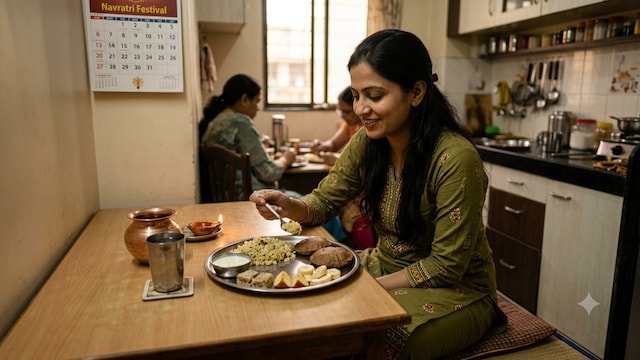
After observing fasts during Navratri, many people look forward to returning to their regular meals and enjoying festive foods. From puri and halwa to kuttu preparations and sweets, the options can be tempting. However, breaking a prolonged fast by eating a large or heavy meal immediately may leave you feeling uncomfortable. After hours of restricted food intake, your digestive system needs time to adjust to your usual eating pattern. Eating too much or too quickly can trigger bloating, acidity, gas, nausea and abdominal discomfort. Inadequate fluid intake during fasting may also contribute to dehydration, headaches, fatigue and constipation. While most people can return to normal eating gradually, the way you break your fast matters, particularly if you have been fasting for several days or have an underlying health condition. But what exactly happens to your body when you break a long fast? And how can you resume eating safely after Navratri? Dr Piyush Vishwakarma, Consultant, Gastroenterology, Hepatology and Liver Transplant at RG Hospitals, East of Kailash, New Delhi, explains why it is important to ease back into your regular eating routine.
What Happens To Your Body When You Break A Long Fast?
The effects of breaking a fast depend on its duration, the amount of food and fluid consumed during the fasting period, and an individual's overall health.
1. Your Digestive System Adjusts To Food Again
During fasting, meal timings and food intake change. When you begin eating again, your digestive system resumes processing food and may need time to adjust to the quantity and type of meals you consume. According to Dr Vishwakarma, suddenly eating a large or heavy meal after fasting can cause bloating, gas, nausea and abdominal discomfort. Fried foods, rich gravies and large portions may be particularly uncomfortable for people who are prone to indigestion or acid reflux.
2. You May Experience Acidity And Heartburn
Festive meals often contain fried snacks, sweets and spicy preparations. Consuming these foods in large quantities immediately after fasting may aggravate acidity and heartburn in susceptible individuals. Eating a heavy meal can also increase the likelihood of acid reflux, particularly if you lie down soon after eating. To reduce discomfort, begin with a modest portion, eat slowly and avoid foods that you know trigger your symptoms.
3. Dehydration May Contribute To Fatigue And Constipation
If you have consumed less water than usual during Navratri, you may experience thirst, headaches, fatigue or constipation. Reduced fluid intake can contribute to harder stools, while changes in dietary fibre and meal timings can affect bowel habits. Rehydrating gradually and returning to a balanced diet can help. However, people with conditions that require fluid restriction should follow their doctor's advice rather than increase their water intake indiscriminately.
4. Your Blood Sugar Levels May Fluctuate
After fasting, the type and quantity of food you eat can influence your blood glucose levels. A large meal rich in refined carbohydrates and added sugar may cause a more pronounced rise in blood glucose than a balanced meal containing carbohydrates, protein and fibre. This is particularly relevant for people with diabetes or those taking medicines that lower blood glucose. Fasting can increase the risk of hypoglycaemia in some circumstances, and the timing of medicines may also need adjustment. People with diabetes should follow an individualised fasting and refeeding plan recommended by their healthcare professional.
How Should You Break Your Fast After Navratri?
The best approach is to resume eating gradually, rather than immediately consuming a large festive meal. Here are some practical tips to help you return to your regular eating routine.
1. Start With A Small, Balanced Meal
Begin with a modest meal that is comfortable for you to digest. Options may include light khichdi, curd rice or a simple homemade meal with cooked vegetables and an appropriate source of protein.
You do not necessarily need a special detox drink or an elaborate refeeding routine after a typical overnight or daytime fast. The aim is to avoid overeating and choose foods that suit your digestive tolerance.
2. Eat Slowly And Avoid Overeating
After fasting, hunger may make it tempting to eat quickly or consume larger portions than usual. However, eating too much in one sitting can contribute to bloating, nausea and a feeling of excessive fullness. Dr Vishwakarma recommends eating slowly, chewing food thoroughly and keeping portions moderate. If you remain hungry, you can have another small meal or snack later rather than forcing yourself to finish a large meal at once.
3. Rehydrate Gradually
Drink water regularly after breaking your fast instead of consuming excessive quantities in one go. You can also obtain fluids from foods such as fruits, vegetables and soups. If you have experienced significant fluid loss because of vomiting, diarrhoea or excessive sweating, you may need an oral rehydration solution, depending on the circumstances. People with kidney disease, heart failure or other conditions requiring fluid restrictions should consult their treating doctor about appropriate fluid intake.
4. Include Fibre-Rich Foods Gradually
Fruits, vegetables, whole grains and pulses provide fibre that supports bowel regularity and digestive health. However, if you have eaten very little fibre during fasting, suddenly increasing your intake substantially may worsen gas and bloating. Introduce fibre-rich foods gradually and drink adequate fluids, unless you have been advised to restrict them. A balanced diet can help restore your usual eating pattern without relying on restrictive diets or unnecessary supplements.
5. Limit Fried Foods And Excessive Sweets
Navratri celebrations often involve puri, pakoras, halwa and other rich foods. You do not need to avoid all festive dishes, but eating large quantities immediately after fasting may aggravate digestive discomfort. Try to keep portions moderate and balance heavier dishes with lighter foods. Limit carbonated drinks and excessively spicy foods if they trigger bloating or acidity.
6. Avoid Lying Down Immediately After Eating
Lying down soon after a meal can aggravate acid reflux in some people. Remain upright after eating and consider taking a gentle walk if you feel comfortable. Avoid strenuous exercise immediately after a heavy meal, particularly if you feel bloated or nauseated.
What Should You Avoid After A Prolonged Fast?
According to Dr Vishwakarma, a gradual return to normal eating is preferable to suddenly consuming large portions of rich food. Keep these points in mind:
- Avoid eating an excessively large meal immediately after breaking your fast.
- Do not consume excessive amounts of water in one go.
- Avoid overeating fried foods, sweets and rich preparations.
- Do not ignore persistent vomiting, severe abdominal pain or signs of dehydration.
- Avoid changing prescribed medicines without consulting your doctor, particularly if you have diabetes or another chronic condition.
It is also important to distinguish a typical religious fast from prolonged food deprivation lasting several days. After prolonged periods of minimal or no food intake, restarting nutrition can sometimes cause dangerous electrolyte shifts, a condition known as refeeding syndrome. People who are malnourished, have had substantial recent weight loss or have eaten very little for an extended period may need supervised nutritional rehabilitation.
When Should You Seek Medical Attention?
Mild bloating or temporary digestive discomfort may settle as you return to your usual eating pattern. However, certain symptoms should not be ignored. Seek urgent medical attention if you experience severe or persistent abdominal pain, repeated vomiting, fainting, confusion or an inability to keep fluids down. Very little urine, marked dizziness or other signs of significant dehydration also warrant prompt assessment.
People with diabetes, gastrointestinal disorders, kidney disease or other chronic conditions should seek medical advice before undertaking prolonged fasting, particularly if their condition or medication schedule could be affected.
Breaking a fast after Navratri does not have to be complicated. For most healthy adults, returning to regular meals gradually, eating moderate portions, drinking adequate fluids and avoiding excessive amounts of rich food can help minimise digestive discomfort. As Dr Piyush Vishwakarma explains, the key is to give your body time to adjust rather than immediately overwhelming it with a heavy meal. If you have fasted for several days with little or no food, are significantly malnourished or have an underlying medical condition, seek professional advice before resuming normal eating. A careful approach can help you return to your routine while prioritising your digestive health and overall well-being.
Disclaimer: This content including advice provides generic information only. It is in no way a substitute for a qualified medical opinion. Always consult a specialist or your own doctor for more information. NDTV does not claim responsibility for this information.