

)
The oil you use every day may be doing much more than helping you cook your meals. It can also play an important role in keeping your gut healthy. While many focus on eating more fruits and vegetables, they often forget that cooking oil also matters.
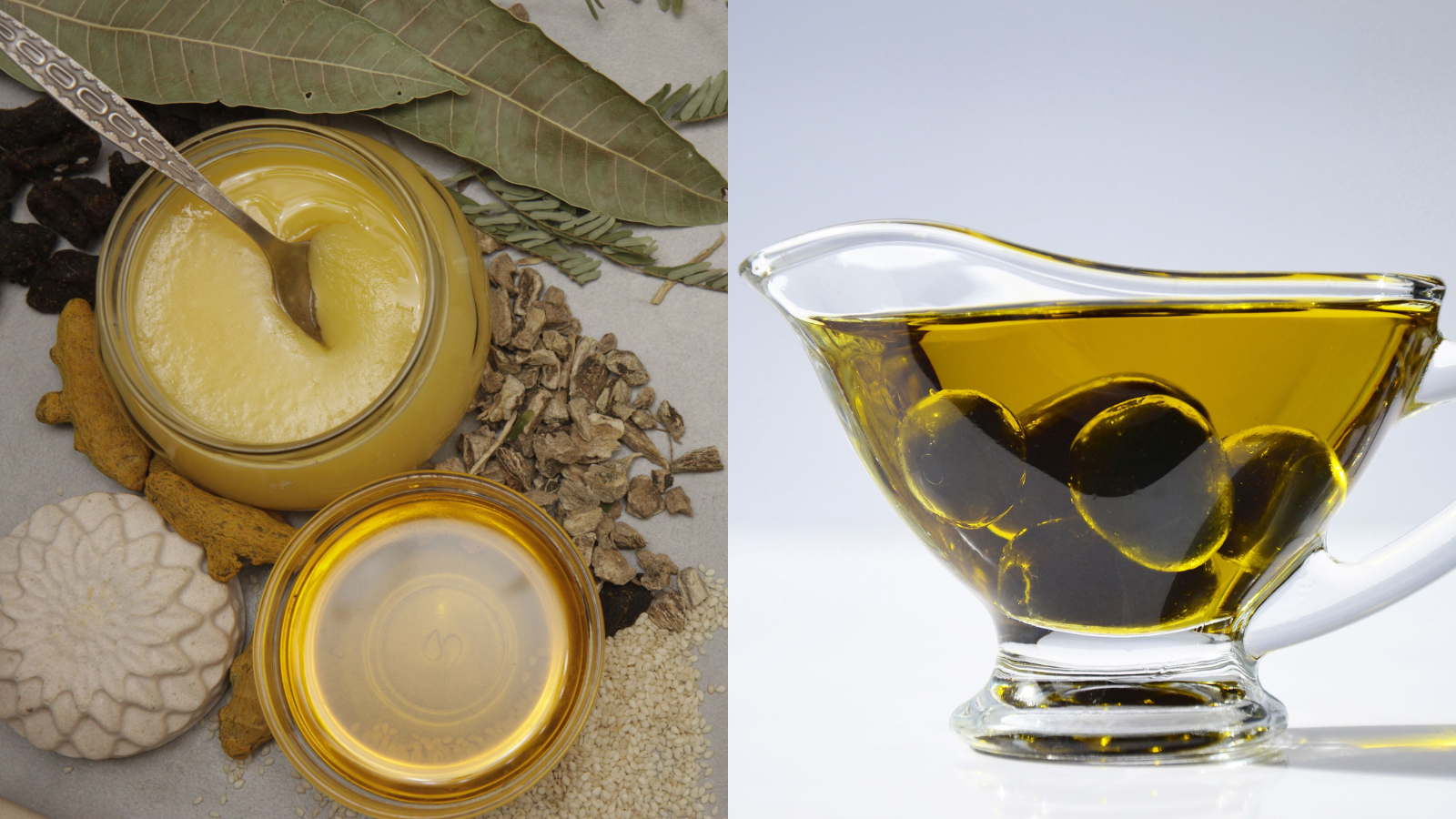
Nutritionist Deepsikha Jain has recommended two oils for better gut health and a stronger gut microbiome.
If you are looking for a simple change that can benefit your digestion, switching to the right cooking oil is an easy option. Here are the two oils she suggests adding to your kitchen.
Taking to Instagram, Deepsikha Jain says, “The first oil has to be ghee. Now, ghee has butyric acid. When you consume ghee, it actually helps in the production of short chain fatty acids. Now, these are compounds that can actually strengthen your gut lining, hence reducing the chances of leaky gut and inflammation.”
“The second one has to be extra virgin olive oil. Now, this is especial you have high inflammation or an autoimmune condition. Virgin oil at Has compounds phenolic. These are highly an inflammatory and antioxidant that can help you put the inflammation down. You can start consuming these two oils in moderation to better your gut health,” she adds.
Extra virgin olive oil is rich in healthy monounsaturated fats, polyphenols and antioxidants, which help protect the oil from breaking down during cooking and support gut health. Ghee contains mostly saturated fat and also has cholesterol, while olive oil is plant-based and contains no cholesterol.
Ghee and extra virgin olive oil also have very different flavours, so the best choice depends on what you are cooking. Ghee has a rich, buttery taste that goes well with dishes like dal, vegetables and rotis. Extra virgin olive oil has a fresh, slightly fruity taste that works well in salads, soups and pasta.
Choosing the right oil can improve both the taste of your food and your overall cooking experience.
Disclaimer: This content including advice provides generic information only. It is in no way a substitute for a qualified medical opinion. Always consult a specialist or your own doctor for more information. NDTV does not claim responsibility for this information.